


Newly declassified documents spotlight Lee Kuan Yew’s doubts and Goh Keng Swee’s firm push for a clean split
Freshly unveiled documents and emotional recollections from Senior Minister Lee Hsien Loong offer a rare, intimate look into the tense final days before Singapore’s 1965 separation from Malaysia. While the nation’s founding leaders shared a mission to secure Singapore’s future, stark differences in their convictions shaped one of Southeast Asia’s most consequential political turning points.
Conflicting Visions Before a Historic Break
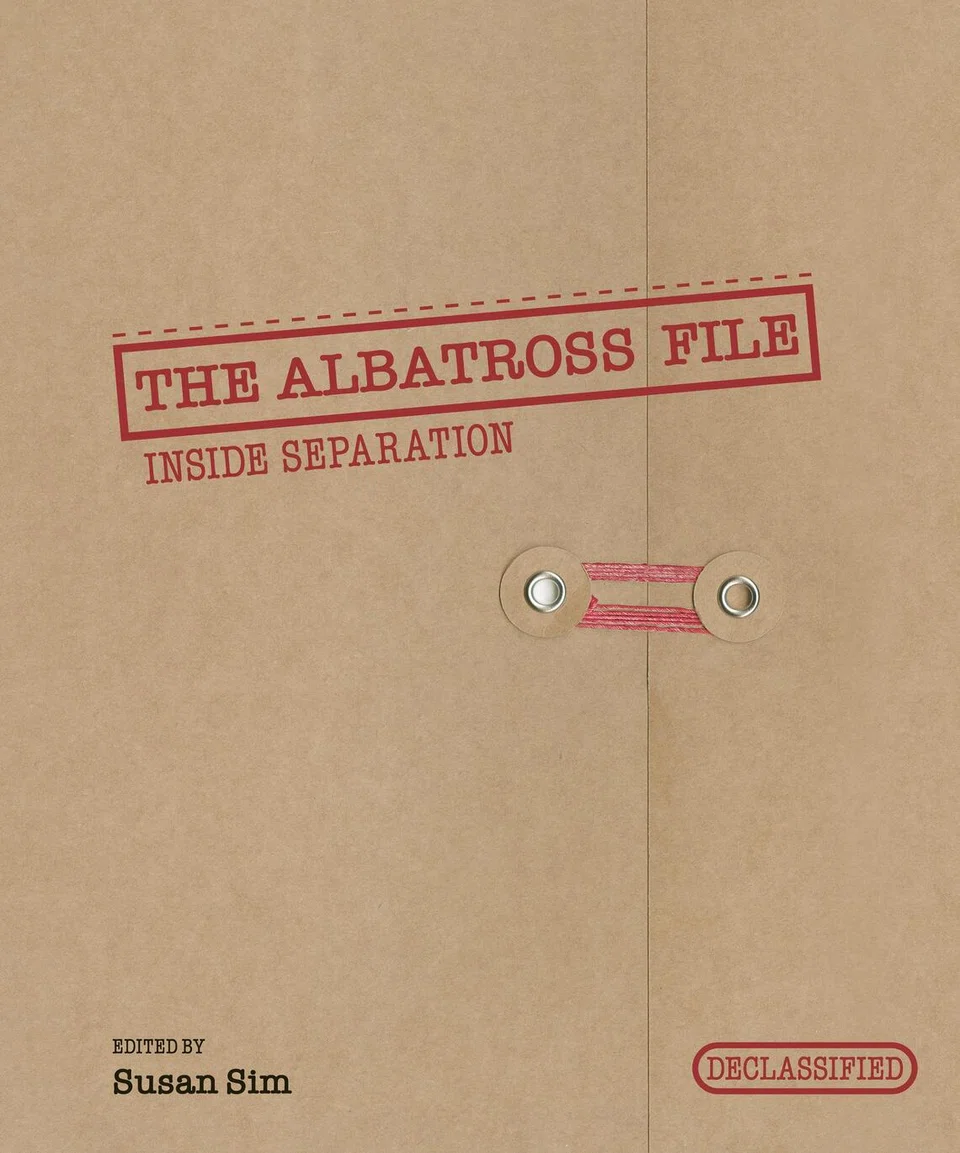
Newly declassified documents from The Albatross File: Inside Separation reveal that founding prime minister Lee Kuan Yew held lingering hope for a looser arrangement within Malaysia even days before the split. He asked Malaysian prime minister Tunku Abdul Rahman if any alternative remained, signalling deep internal conflict.
His deputy, Dr Goh Keng Swee, believed the merger was unsalvageable. Even as Lee pushed for greater autonomy within the federation, Goh saw a clean break as the only path forward and negotiated firmly toward separation.
Goh’s Steadfast Push for Separation
Senior Minister Lee Hsien Loong shared that Dr Goh, who code-named Malaysia “Albatross,” deliberately avoided pursuing looser federal options despite Lee Kuan Yew’s orders. The documents show he assured then Malaysian deputy prime minister Tun Abdul Razak that the People’s Action Party leadership would accept separation.
Lee Kuan Yew discovered this truth only in 1994 while preparing his memoirs. The revelation shocked him so much that he annotated the exact time and date in the transcript margins.

A Nation Under Threat
The early months of merger brought intensifying political conflict. The PAP’s call for a “Malaysian Malaysia” clashed with UMNO’s emphasis on Malay political primacy. Radical elements in UMNO sowed distrust, culminating in two race riots in July and September 1964 that killed 36 people.
During this period, Lee Kuan Yew mounted a risky political counter-offensive, delivering speeches in fluent Malay to defend multi-racial principles. Senior Minister Lee recounted that at age 13, his father told him on the Istana golf course to protect his mother and siblings if he were arrested or harmed.

Personal Turmoil Behind a National Decision
SM Lee described emotional scenes leading up to August 9, 1965. He recalled overhearing a pivotal phone call on August 3 at Cluny Lodge in Cameron Highlands where his father said in Mandarin, “This is a huge decision; let me think about it.” He also remembered Lee Kuan Yew pacing through the night writing notes, burdened by worries of abandoning millions who had supported the idea of a united Malaysia.
These moments explain why Lee Kuan Yew broke down during the separation press conference, describing it as a “moment of anguish.” His wife, Kwa Geok Choo, would later say this was the closest he ever came to a nervous breakdown.

The Albatross File and a New Understanding of History
The newly launched Albatross File exhibition at the National Library features handwritten notes, oral history interviews, and previously classified documents. Together, they paint a clearer picture of the immense pressure on Singapore’s leaders and the profound disagreements that shaped the final outcome.
SM Lee emphasized that Singapore’s survival was uncertain in 1965. Had separation not occurred peacefully, he believes the breakup would still have happened but under far more destabilizing circumstances.
Separation Reconsidered: A Blessing in Hindsight
Despite the anguish, the founding generation ultimately agreed that separation was Singapore’s turning point. By the nation’s 60th year of independence, Senior Minister Lee reflected that “Singapore has thrived far beyond anything the founding fathers imagined,” crediting both Lee Kuan Yew’s tenacity and Goh Keng Swee’s clarity of judgment.
He stressed that the principle forged during those days remains unchanged: no Singapore leader can be intimidated into compromising national interests or sovereignty.
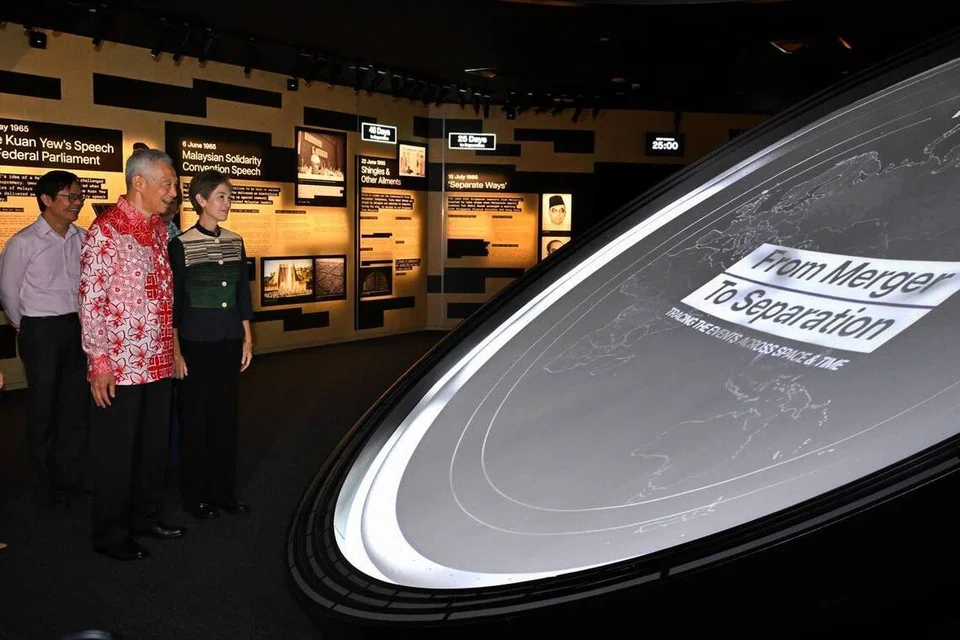
The Albatross File demonstrates how fragile Singapore’s early years were and how leadership decisions in Kuala Lumpur and Singapore shaped the region’s political landscape. For both Indonesians and Singaporeans following regional history, the exhibition underscores how political courage, internal tensions, and cross-border dynamics defined Southeast Asia’s most pivotal post-colonial separation.
Sources: SCMP (2025) , Straits Times (2025)
Keywords: Singapore Separation, Lee Kuan Yew, Goh Keng Swee, Albatross File, Malaysia Federation


