



NEA detects multiple breeding sites as Culex mosquito spike disrupts sleep across estates
A surge in mosquito activity across Singapore has left residents struggling with sleepless nights, prompting intensified action from authorities.
Residents Face Nightly Disruptions
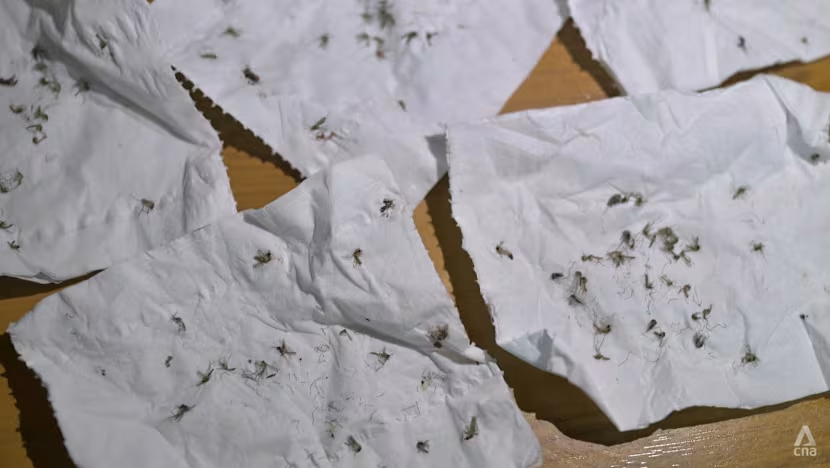
Residents at Rowell Road have been dealing with a persistent mosquito infestation, with many describing nightly “onslaughts” of insects entering their homes. Families reported difficulty sleeping, often waking up repeatedly to swat mosquitoes despite using repellents, nets, and traps.
Some households said they were forced to keep windows shut to keep insects out, leading to uncomfortable indoor conditions due to heat and poor ventilation.
Authorities Identify Breeding Sources
Investigations by the National Environment Agency uncovered seven mosquito breeding sites at Block 642 Rowell Road in early April, most of them located in common areas.
Immediate actions were taken, including clearing blocked drains and removing stagnant water. Enforcement measures are also being pursued against responsible parties to prevent recurrence.
Similar Cases Across Singapore
The issue is not isolated. In another case at Geylang East Central, NEA identified six breeding sites after residents reported a mosquito infestation. Authorities have since taken action against the premises manager while stepping up cleaning and inspection efforts.
Town councils have also intensified measures such as drain flushing, misting, fogging, and removing stagnant water to reduce mosquito populations in affected areas.
Culex Mosquito Surge Driving Complaints
The rise in mosquito complaints has been linked to a surge in Culex mosquitoes across Singapore. Unlike Aedes mosquitoes, which spread dengue, Culex species primarily bite at night and are known for causing discomfort rather than transmitting dengue.
NEA reported a significant increase in breeding habitats, with over 2,000 detected in the first 15 weeks of 2026, up by about 55 percent compared to the same period last year.
Weather Conditions Fueling Growth
Authorities attribute the spike in mosquito populations to recent weather patterns. Prolonged heat combined with sudden rain showers has created ideal breeding conditions, with stagnant water accumulating in drains and outdoor areas.
These conditions accelerate mosquito life cycles, leading to faster population growth and more frequent infestations.
Control Measures Intensified
In response, NEA and local authorities have ramped up vector control efforts. This includes expanded inspections, increased use of larvicides, and continued implementation of Project Wolbachia in selected areas.
The initiative, which involves releasing male mosquitoes to reduce the Aedes population, has been expanded to new zones, including areas around Rowell Road. However, it does not target Culex mosquitoes, which remain the main cause of current complaints.
Gradual Improvement Reported
While residents initially reported severe infestations, some have noted gradual improvement following intervention efforts. Clearing blocked drains and intensified maintenance have helped reduce mosquito numbers in recent weeks.
Authorities say they will continue monitoring affected areas closely and work with stakeholders to prevent further outbreaks.
Singapore’s mosquito surge highlights the ongoing challenges of urban pest control in changing weather conditions. For Indonesians, particularly in similar tropical environments, it underscores the importance of consistent vector management. For Singapore, maintaining public health and comfort will depend on sustained enforcement, community cooperation, and adaptive strategies.
Sources: CNA (2026) , Stomp SG (2026)
Keywords: Singapore Mosquito Surge, Culex Mosquitoes, NEA Action, Mosquito Breeding Sites, Public Health Risk


