


After hosting Zelensky and European leaders, Trump seeks direct talks with Putin on ending war
A flurry of diplomacy is unfolding as U.S. President Donald Trump pushes to broker peace between Russia and Ukraine, arranging potential direct talks between Presidents Vladimir Putin and Volodymyr Zelensky.
A War Entering a Critical Stage
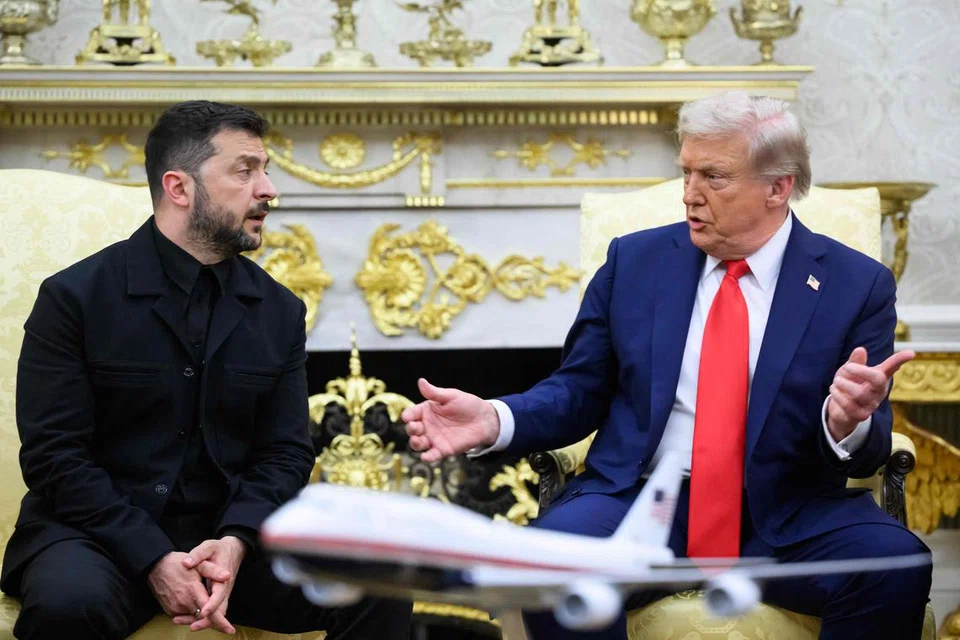
On August 18, Trump hosted Ukrainian President Volodymyr Zelensky and European leaders at the White House, just days after his August 15 summit in Alaska with Russian President Vladimir Putin. The discussions centered on Ukraine’s security, with Trump pledging that the U.S., alongside European allies, would help guarantee Kyiv’s defense in any post-war arrangement. Zelensky welcomed the assurances, describing them as “a major step forward,” and said written agreements could emerge within 10 days.
Trump’s Direct Line to Putin
After the Washington meetings, Trump revealed that he had called Putin directly for a 40-minute conversation, beginning preparations for a possible Putin–Zelensky meeting in Hungary. According to German Chancellor Friedrich Merz, the encounter could take place within the next two weeks, followed by a trilateral summit including Trump himself. Kremlin aide Yuri Ushakov later confirmed that both sides were weighing an upgrade in the level of representatives in ongoing negotiations.
Shifting Strategies on Ceasefire
European leaders, including French President Emmanuel Macron, pressed Trump to demand a ceasefire before advancing peace talks. Initially supportive, Trump reversed his position after his Alaska meeting with Putin, instead aligning with Moscow’s call for a comprehensive deal. “I like the concept of a ceasefire,” Trump admitted, “but strategically, that could be a disadvantage.” Russia’s envoy Kirill Dmitriev described the focus as “lasting peace, not a temporary ceasefire.”
The Question of Territory
A central sticking point remains territory. Putin insists on retaining about 20% of Ukraine, including parts of Donetsk and Crimea, while Zelensky has repeatedly rejected ceding land, citing Ukraine’s constitution. Trump’s comments suggested compromise may be necessary, hinting Ukraine should abandon NATO membership hopes and accept territorial losses. Zelensky, however, reiterated that “Ukrainians will not give their land to the occupier.”
A Softer Tone After February
The August meeting contrasted sharply with the leaders’ February encounter, when Trump and Vice-President J.D. Vance publicly criticized Zelensky for lacking gratitude. This time, Zelensky arrived flanked by European allies and dressed in a formal black suit rather than military fatigues—an appearance that Trump praised. The meeting proceeded warmly, with Zelensky thanking Trump repeatedly and Trump responding, “We love them,” referring to Ukrainians.
Broader Stakes for Europe
European leaders—including Macron, Merz, U.K. Prime Minister Keir Starmer, Italian Prime Minister Giorgia Meloni, and EU officials—joined the talks, emphasizing that Ukraine’s security guarantees affect the entire continent. NATO Secretary General Mark Rutte noted that any agreement must prevent renewed Russian aggression. Trump, typically wary of U.S. military commitments abroad, did not rule out the possibility of U.S. involvement in securing a peace deal.
The prospect of direct Putin–Zelensky talks marks the most significant diplomatic opening since June, when earlier negotiations in Turkey collapsed. Yet questions over territorial concessions, ceasefires, and security guarantees highlight the fragility of progress. For both Indonesians and Singaporeans, the evolving peace push underscores how power plays in Washington, Moscow, and Kyiv ripple outward—reshaping global security, trade stability, and the broader balance of international relations.
Sources: Straits Times (2025) , NBC News (2025)
Keywords: Donald Trump, Vladimir Putin, Volodymyr Zelensky, Ukraine War, Russia Conflict, Peace Talks


