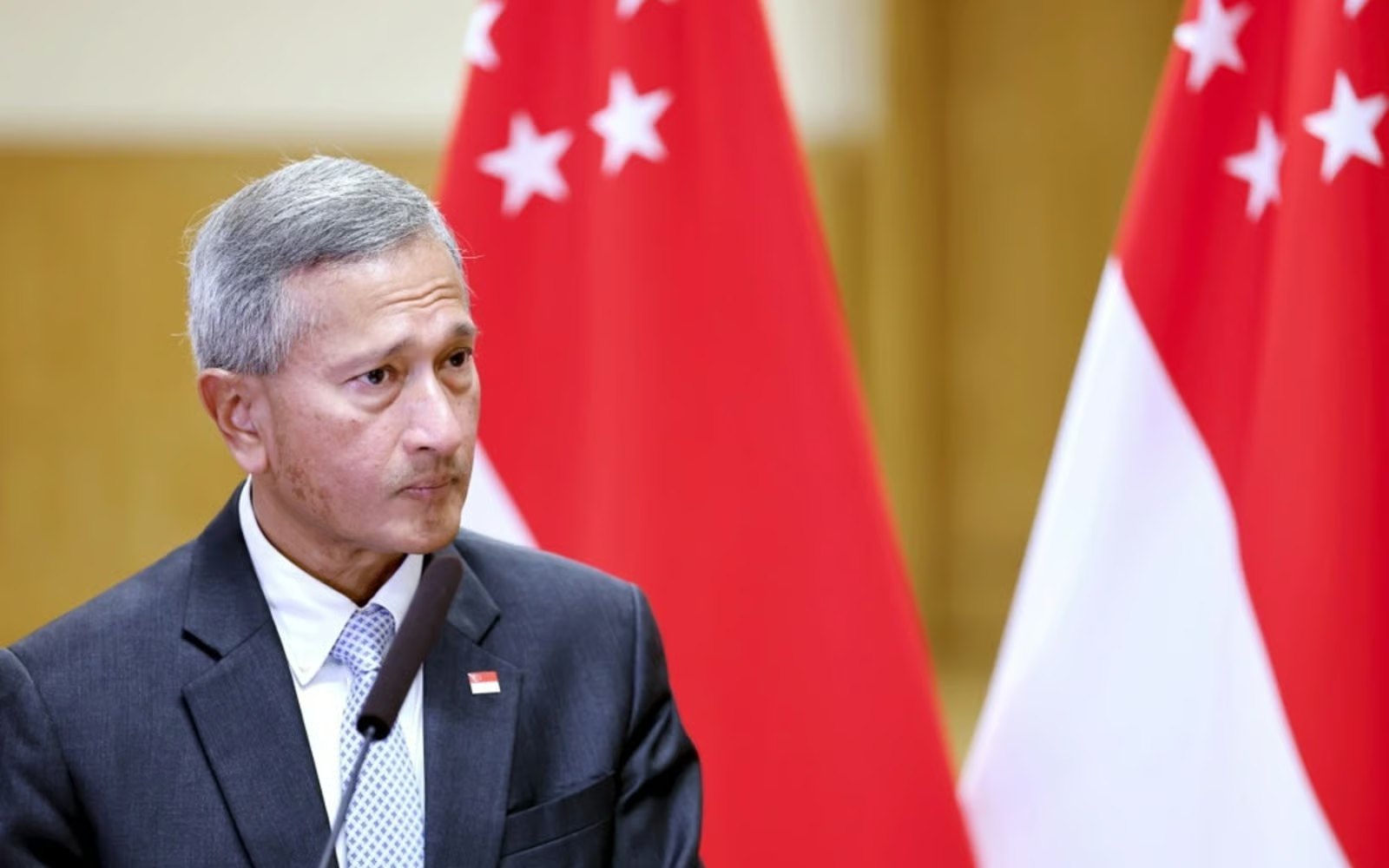
Indonesian Foreign Minister Retno Marsudi emphasizes the responsibilities of countries that have signed the Refugee Convention to welcome refugees, highlighting the slow resettlement process and its impact.
Addressing the Global Refugee Forum in Geneva, Foreign Minister Retno Marsudi stressed the obligation of countries under the Refugee Convention to accept refugees, especially given the slow process of resettlement and the rise in refugee numbers due to conflicts globally.
Marsudi expressed concern over the situation of Palestinians and the Rohingya, many of whom have sought refuge in Indonesia due to violence and persecution in their home countries.

The recent influx of Rohingya refugees in Indonesia has sparked debate about the country’s responsibility to provide shelter, amidst concerns of human trafficking and smuggling.
Indonesia, not a signatory to the 1951 Refugee Convention or the 1967 Protocol, is not legally obligated to provide permanent settlement for asylum seekers or refugees but often extends humanitarian aid.
Legal expert Prof. Dr. Hikmahanto Juwana classifies Rohingya arrivals in Indonesia as “irregular migrants,” not refugees, under international law definitions, suggesting the need for verification by the UNHCR or immigration authorities.
Read More: Galang Island’s Memory: Batam’s Harmonious Coexistence with Vietnamese Refugees
Gading Gumilang from JRS Indonesia explains the Rohingya as stateless individuals facing extreme discrimination and violence, urging for safe and legal migration pathways.
The issue of refugees, particularly the Rohingya in Indonesia, presents complex challenges involving international obligations, humanitarian concerns, and the need for effective policies and collaborations to address the refugee crisis.
Indonesia’s Foreign Minister Retno Marsudi calls on nations part of the Refugee Convention to responsibly accept refugees, highlighting the challenges faced by transit countries like Indonesia in managing the influx, particularly of Rohingya refugees. The situation is complicated by issues of human trafficking and the slow resettlement process in destination countries.
Source: VOA Indonesia (2023)