


Limited reopening allows wounded Palestinians to seek urgent medical treatment abroad
After nearly two years of closure and amid a fragile ceasefire, Gaza’s most critical gateway to the outside world is cautiously reopening, offering a narrow lifeline to those most affected by the war.
Rafah Crossing Reopens Under Tight Controls
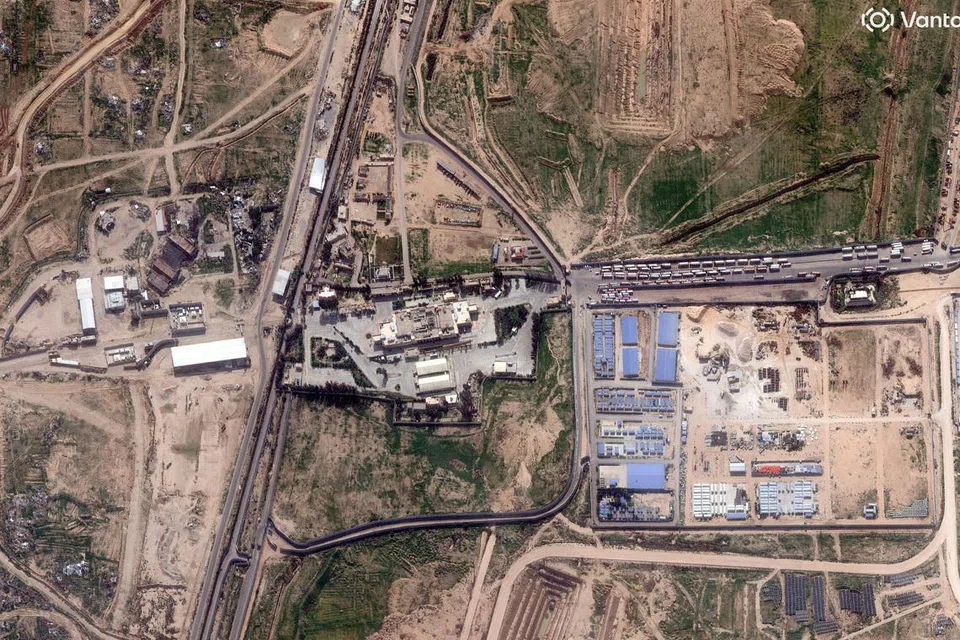
Gaza’s main border crossing at Rafah will reopen on Monday, allowing Palestinians to travel in and out of the enclave on foot, according to Israel’s military liaison body COGAT. The crossing, Gaza’s only direct exit to Egypt and a vital aid entry point before the war, has been largely shut since May 2024 and under Israeli military control on the Gazan side. The reopening is being coordinated with Egypt and the European Union, following a pilot test conducted on Sunday.
Focus on Medical Evacuations
Israeli officials said the crossing will operate under strict security screening and will prioritize Palestinians seeking to leave Gaza for medical treatment, as well as those displaced earlier in the war who are now returning. Gaza’s Health Ministry estimates that around 20,000 patients are waiting for approval to travel abroad for care. Initially, the crossing is expected to handle 150 to 200 people daily in both directions, with significantly more departures than returns.
Patients Await a Lifeline
For many Gazans, the reopening carries life-or-death significance. Moustafa Abdel Hadi, a kidney patient receiving dialysis at Al-Aqsa Martyrs Hospital, said Gaza lacks the resources to treat serious illnesses. Egyptian officials confirmed that at least 50 patients will cross into Egypt on the first day, with around 200 patients and accompanying family members expected to pass daily in the early phase. Approved travel lists are jointly submitted by Egypt and cleared by Israeli authorities.
A Fragile Ceasefire Context
The reopening comes under the first phase of U.S. President Donald Trump’s plan to end the Israel-Hamas war. Although a ceasefire took effect in October after two years of fighting, it has remained unstable. Local health officials report that more than 500 Palestinians have been killed in Israeli strikes since the truce began, while Israeli authorities say four Israeli soldiers have been killed by Palestinian militants.
Renewed Violence Raises Concerns
Tensions flared again over the weekend when Israel launched one of its heaviest airstrike waves since the ceasefire, killing at least 30 people. Israeli officials said the strikes were in response to a Hamas violation involving militants emerging from a tunnel in Rafah. These incidents underscore the uncertainty surrounding both the ceasefire and the sustainability of the border reopening.
What Comes Next for Gaza
Later stages of the U.S.-backed plan envision Gaza being governed by Palestinian technocrats, the disarmament of Hamas, the withdrawal of Israeli troops, and reconstruction overseen by an international force. Hamas has rejected disarmament, while Israel has warned it may use force if weapons are not surrendered peacefully. Analysts note that the Rafah reopening is a humanitarian step, but not yet a sign of lasting stability.
The partial reopening of the Rafah crossing offers critical relief to Gaza’s most vulnerable residents while highlighting how fragile the current calm remains. For the wider region, including Indonesia and Singapore, the development underscores the continuing humanitarian stakes and geopolitical complexity of the Middle East conflict, where access, aid, and diplomacy remain tightly intertwined.
Sources: Straits Times (2026) , The Guardian (2026)
Keywords: Gaza Rafah Border, Gaza Medical Evacuation, Israel Hamas Ceasefire, Trump Gaza Plan


