


Authorities reassess Pulau Bulan imports as Singapore strengthens food supply resilience
Singapore is taking measured steps to reinforce its pork supply chain, balancing food security with stringent animal health controls amid rising demand and regional disease risks.
Assessing the Return of Pulau Bulan Imports
Singapore authorities are considering resuming live pig imports from Pulau Bulan, Indonesia, after shipments were halted in April 2023 due to the detection of African swine fever in a consignment from the island. The Singapore Food Agency said it is working closely with the Animal and Veterinary Service under the National Parks Board and Indonesia’s Directorate General of Livestock and Animal Health Services to evaluate the conditions for a safe resumption.
According to SFA, an official assessment will be conducted once the exporting farms are deemed ready. The move forms part of Singapore’s broader strategy to diversify and secure safe food sources, especially for essential proteins such as pork.
Current Pork Import Landscape
At present, Singapore’s pork supply relies on a diversified mix of live, chilled, and frozen imports. Malaysia, specifically Sarawak, remains Singapore’s only source of live pigs, which are slaughtered locally and sold as chilled pork. Chilled pork is also imported from countries including Australia and Canada, while frozen pork comes from Brazil, the United States, Spain, China, and several European nations.
In 2024, SFA data showed Australia, Brazil, and Germany as Singapore’s top pork suppliers, highlighting the country’s reliance on multiple international partners to manage supply risks.

FairPrice’s Central Role in Live Pig Imports
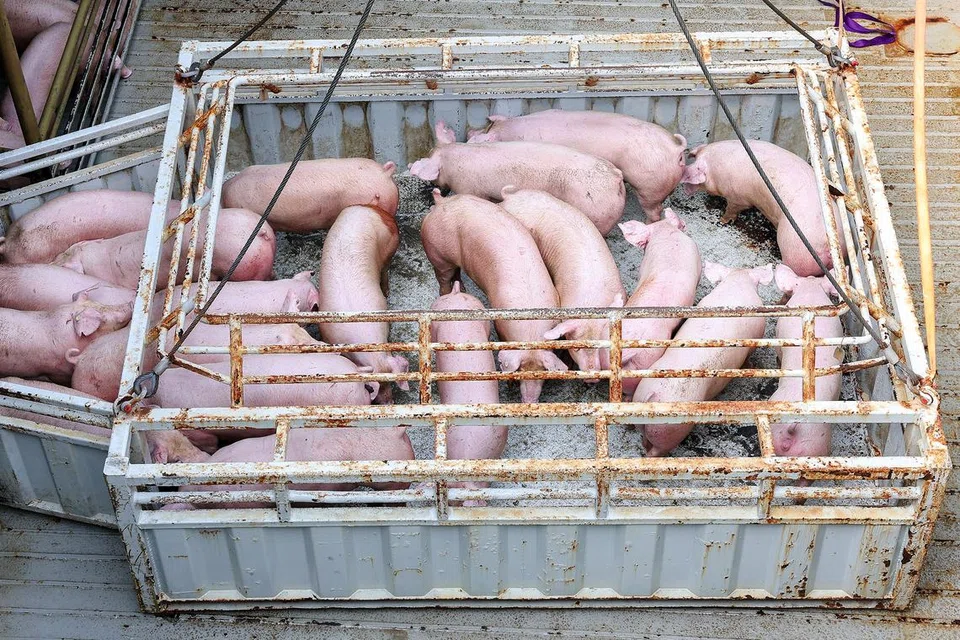
FairPrice Group is currently the sole importer of live pigs into Singapore, operating through its subsidiary OJJ Foods. The group imports about 3,000 live pigs weekly from Malaysia, accounting for nearly half of its pork sales. Live pig imports resumed in 2017 after a long-standing ban imposed in 1999 following the Nipah virus outbreak, which claimed about 100 lives in Malaysia and one abattoir worker in Singapore.
FairPrice chief executive of supermarkets David Goh said demand for pork has increased steadily over the past three years. In response, the group plans to raise live pig imports by about 20 percent, or roughly 600 pigs, in February ahead of Chinese New Year.
Strict Controls and Same-Day Processing
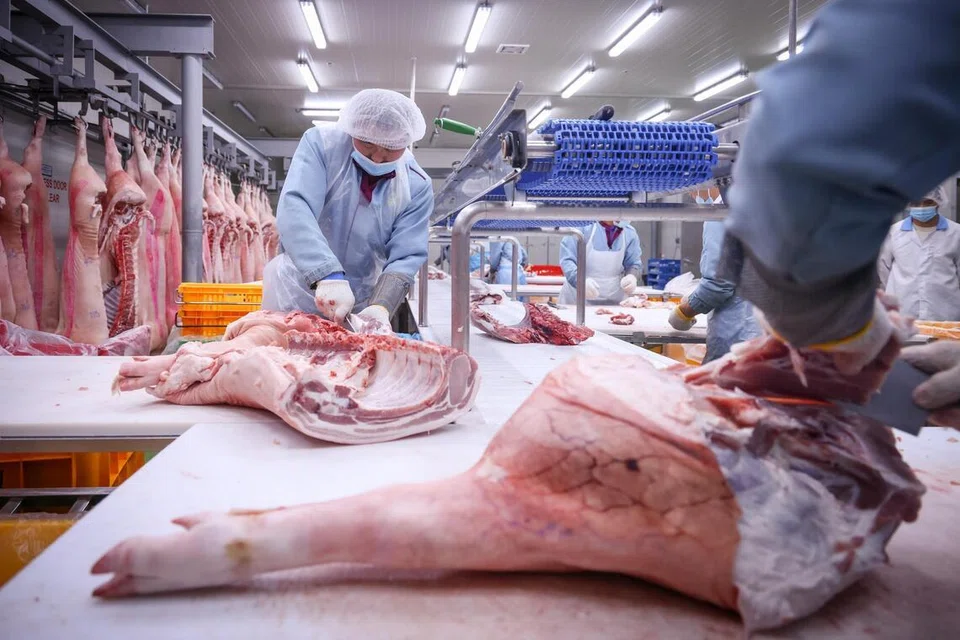
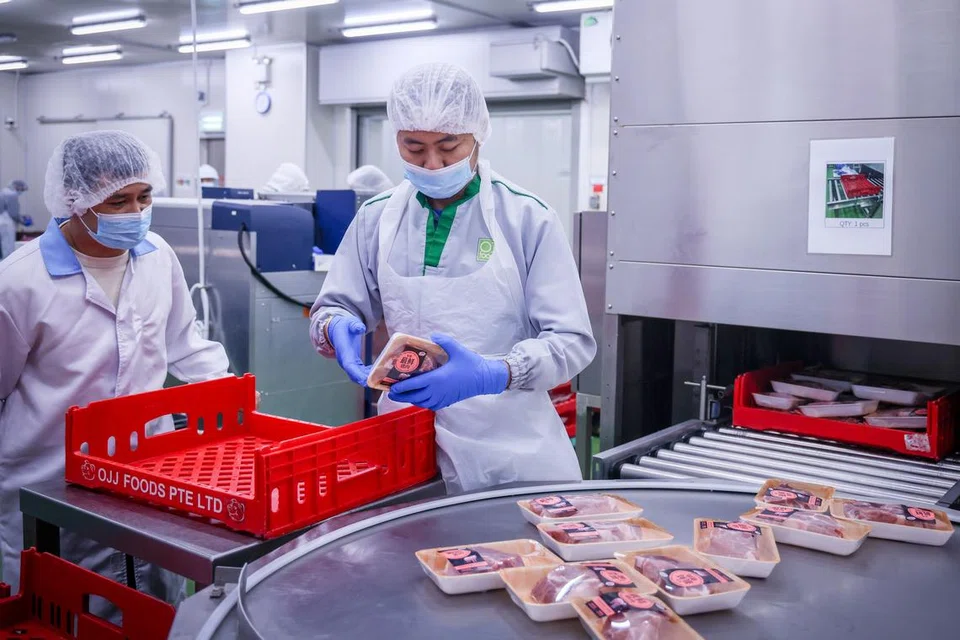
Live pigs from Malaysia are transported to Singapore twice a week under strict veterinary supervision. Upon arrival, they are inspected before being sent to an SFA-licensed abattoir in Jurong. After slaughter, the pork is delivered to OJJ Foods’ facility in Chin Bee Avenue for butchering and packaging, then distributed to supermarkets, wet markets, restaurants, and manufacturers within the same day.
Mr Goh said Malaysian fresh pork remains the most popular choice among Singaporeans due to its balance of lean meat and fat, mild flavor, and freshness.
Quality, Traceability, and Consumer Trust
The pigs imported are a crossbreed of four known pig breeds and are grain-fed for about 180 days on a clean diet of maize, soya beans, and wheat bran. They are raised without antibiotics or growth promoters, offering higher assurance to consumers.
OJJ Foods chief executive Danny Ong said importing live pigs allows greater oversight of the supply chain, from farm origin to processing, packaging, and final delivery. This level of traceability strengthens food safety and quality control across the system.
A Diversified Strategy Across Retailers
Beyond Malaysia, FairPrice also imports fresh pork from Perth and Brisbane, as well as frozen pork from Brazil, Japan, Poland, Spain, Germany, and the Netherlands. Other supermarket chains such as Sheng Siong, Cold Storage, and Giant follow similar diversified sourcing strategies, offering chilled pork from Australia and frozen pork from Europe and South America.
Retailers emphasized that diversification helps manage cost volatility and supply disruptions, especially during festive periods when pork demand typically rises.
The potential resumption of live pig imports from Pulau Bulan reflects Singapore’s cautious yet proactive approach to food security. By combining strict biosecurity standards with diversified sourcing and regional cooperation, Singapore continues to safeguard stable pork supplies while maintaining consumer confidence across both domestic and cross-border markets.
Sources: Straits Times (2026) , Yahoo! News Malaysia (2026)
Keywords: Singapore Pork Imports, Live Pig Supply, Pulau Bulan, Food Resilience Strategy, African Swine Fever


