


Historic relocation marks major milestone in SGH’s long-term campus modernization plan
Before sunrise on January 18, a short walk across the Singapore General Hospital campus symbolized decades of progress, resilience, and preparation for the future of emergency care.
A Symbolic Move at Daybreak
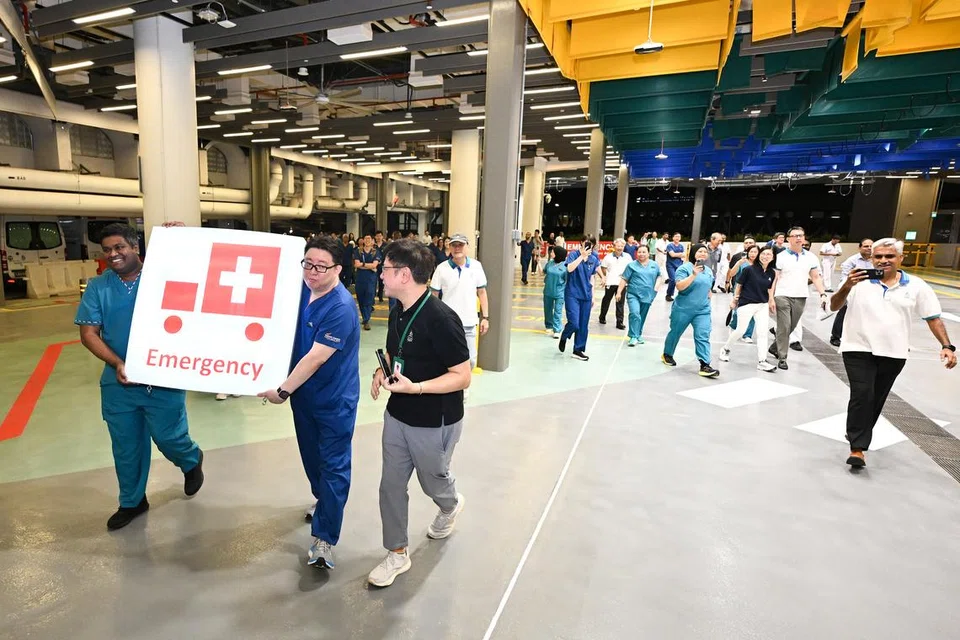
At 6:30 a.m. on January 18, staff gathered outside Singapore General Hospital’s former emergency department at Block 1, capturing photos and memories before its official 7 a.m. relocation. What was initially planned as a symbolic walk by a small leadership group turned into an unplanned show of unity, with more than 150 doctors, nurses, and operations staff walking together to the new Emergency and National Neuroscience Institute building at 1 Hospital Boulevard.
Part of a Long-Term Masterplan
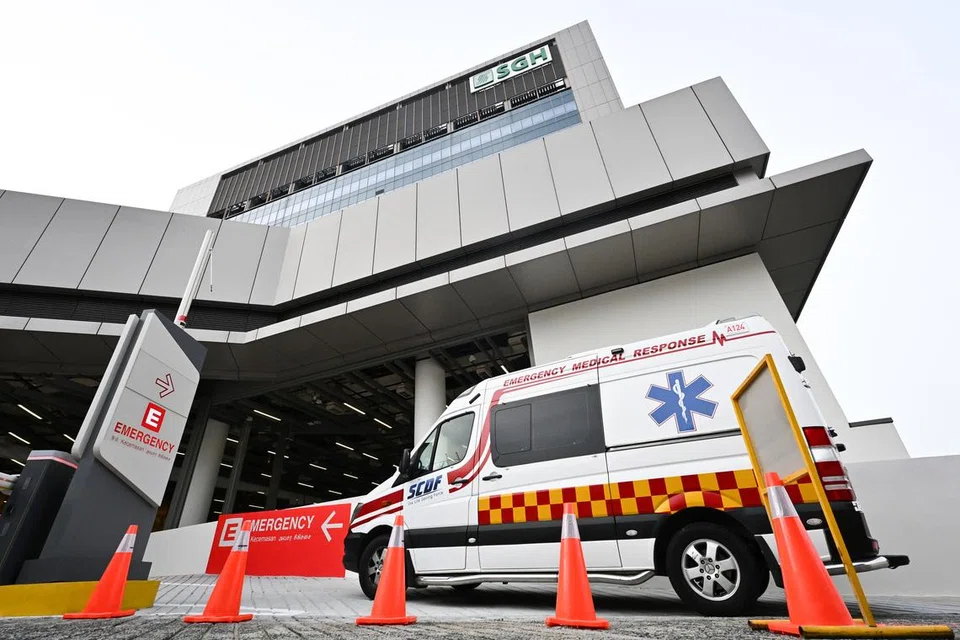
The move marked a key milestone in SGH’s 20-year masterplan to modernize its aging campus and prepare for future healthcare demands. The building’s groundbreaking ceremony took place on April 3, 2018, and while it was originally slated for completion by 2023, the Covid-19 pandemic delayed its opening. The relocation process itself began in phases in December 2024, with teams operating across both sites during the transition.
A Department with Deep Roots
SGH’s emergency services date back to 1948, when they operated as a Casualty and Outpatient Service, later becoming Singapore’s first 24-hour emergency unit in 1964. The Block 1 emergency department opened in 1977, serving a much younger population at the time. According to Emergency Department head Associate Professor Kenneth Tan Boon Kiat, the old site had long been both a workplace and a fortress for staff, particularly during the pandemic years.
Navigating a Complex Relocation
Relocating an emergency department is among the most complex hospital operations. Associate Professor Tan described the challenge as “changing the tires on a moving car,” citing the unpredictable nature of emergency care and the difficulty of guiding patients through a split-campus setup. Vehicular access to the new emergency department differs from the main hospital entrance, requiring careful coordination and public communication.
A Bigger and More Advanced Facility
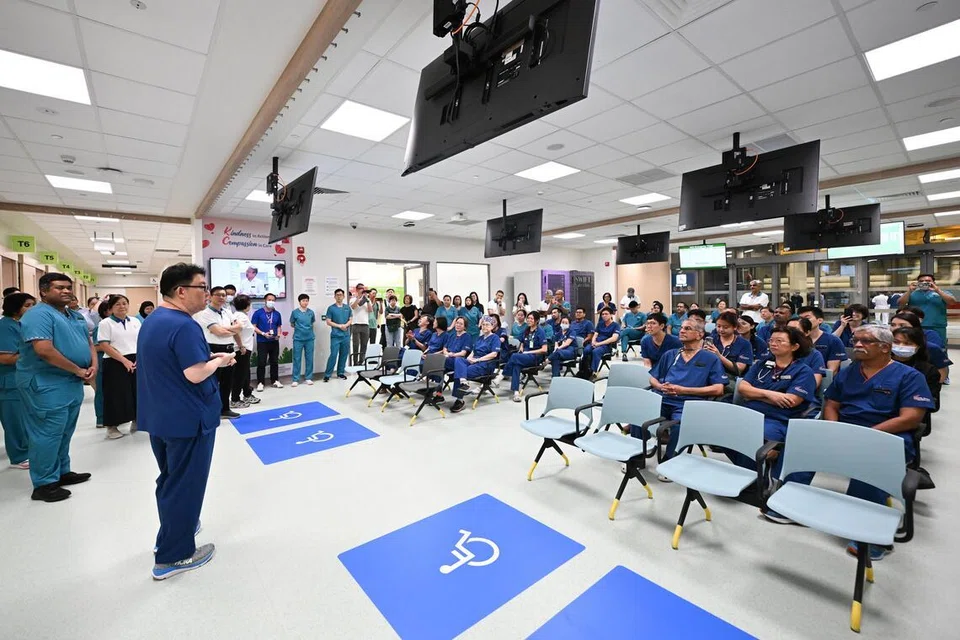
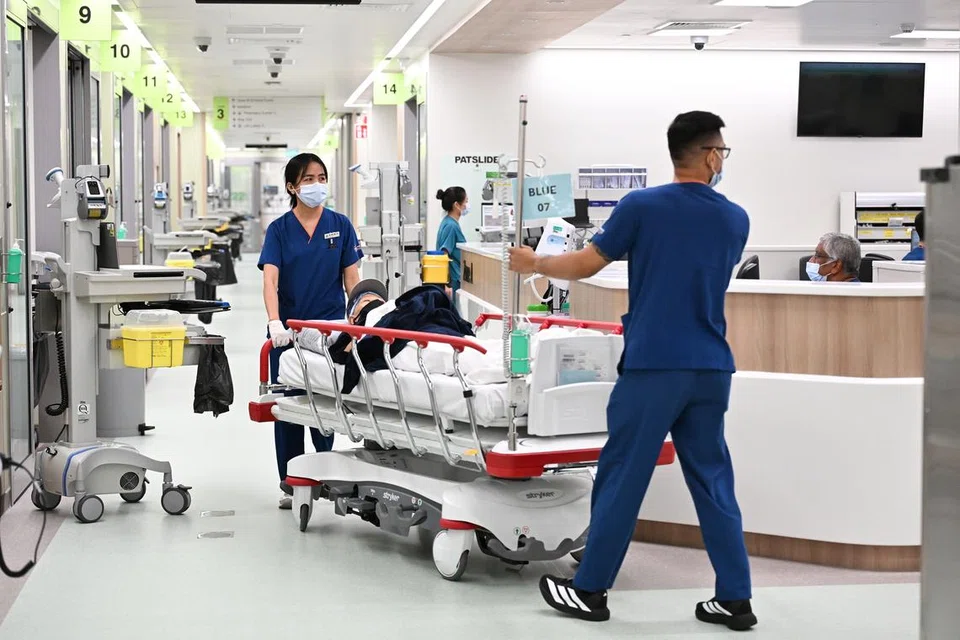
The new emergency department significantly expands SGH’s treatment capacity. It features 10 triage rooms compared to four previously, and 12 resuscitation rooms, double the earlier capacity. Critical care space now accommodates 53 patients at a time, while observation beds have increased to 55, up from 37. To support this growth, SGH has increased nursing staff over the past year, with teams undergoing extensive familiarization with the upgraded facilities.
Staff Reflections and Patient Impact
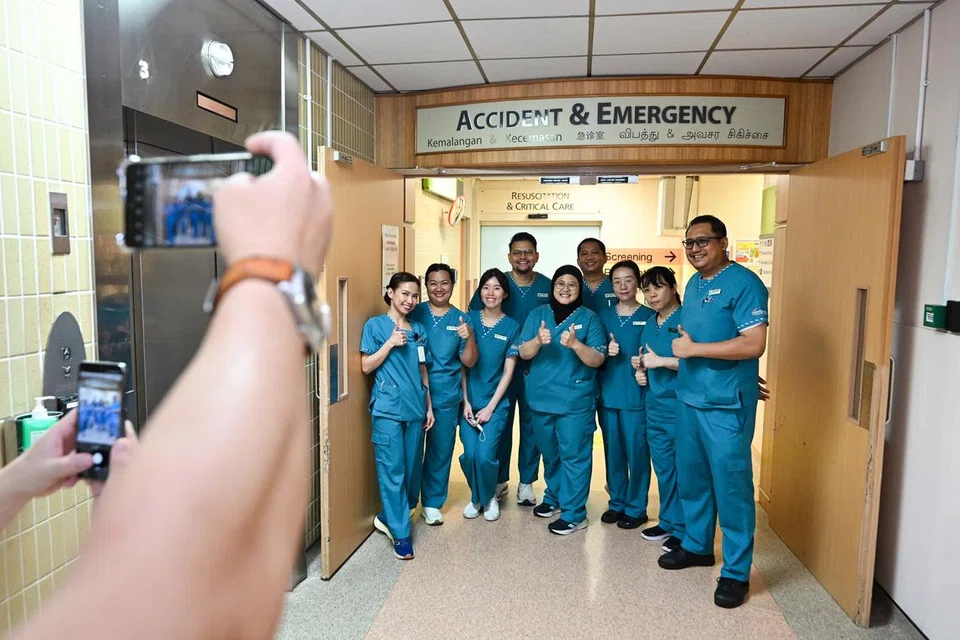
For many staff members, the move was emotional. Nurse clinician Nur Aisah Sulaiman, who joined the emergency department six years ago, described the old facility as where friendships were forged during Covid-19. Now part of the first shift at the new site, she said the expanded space and advanced equipment elevate both staff morale and patient outcomes. Hospital leaders, including SGH Chief Executive Associate Professor Tan Hiang Khoon, were present to thank staff for their dedication.
The relocation of Singapore General Hospital’s emergency department reflects how healthcare systems must evolve alongside demographic shifts and rising medical complexity. For Indonesians and Singaporeans alike, the move underscores the importance of long-term infrastructure planning, cross-border healthcare learning, and sustained investment in public medical services that can withstand future crises.
Sources: Straits Times (2026)
Keywords: SGH Emergency Department, Singapore Healthcare System, Hospital Modernization, Emergency Medicine, Public Hospitals


