


New MOE rules reshape student routines, boosting focus and face-to-face interaction
Singapore’s classrooms are entering a new phase of digital discipline as schools tighten controls on smartphone use, reshaping how students learn, socialize, and spend their school day.
Stricter MOE Guidelines Take Effect
Nearly 10 secondary schools in Singapore will begin installing dedicated mobile phone lockers in 2026, following stricter guidelines issued by the Ministry of Education in November 2025. From January 2026, secondary school students are banned from using smartphones throughout the entire school day, including during recess, between lessons, and during co-curricular activities. Previously, phone restrictions applied mainly during lesson time, with some flexibility during breaks.
Why Schools Are Turning To Phone Lockers
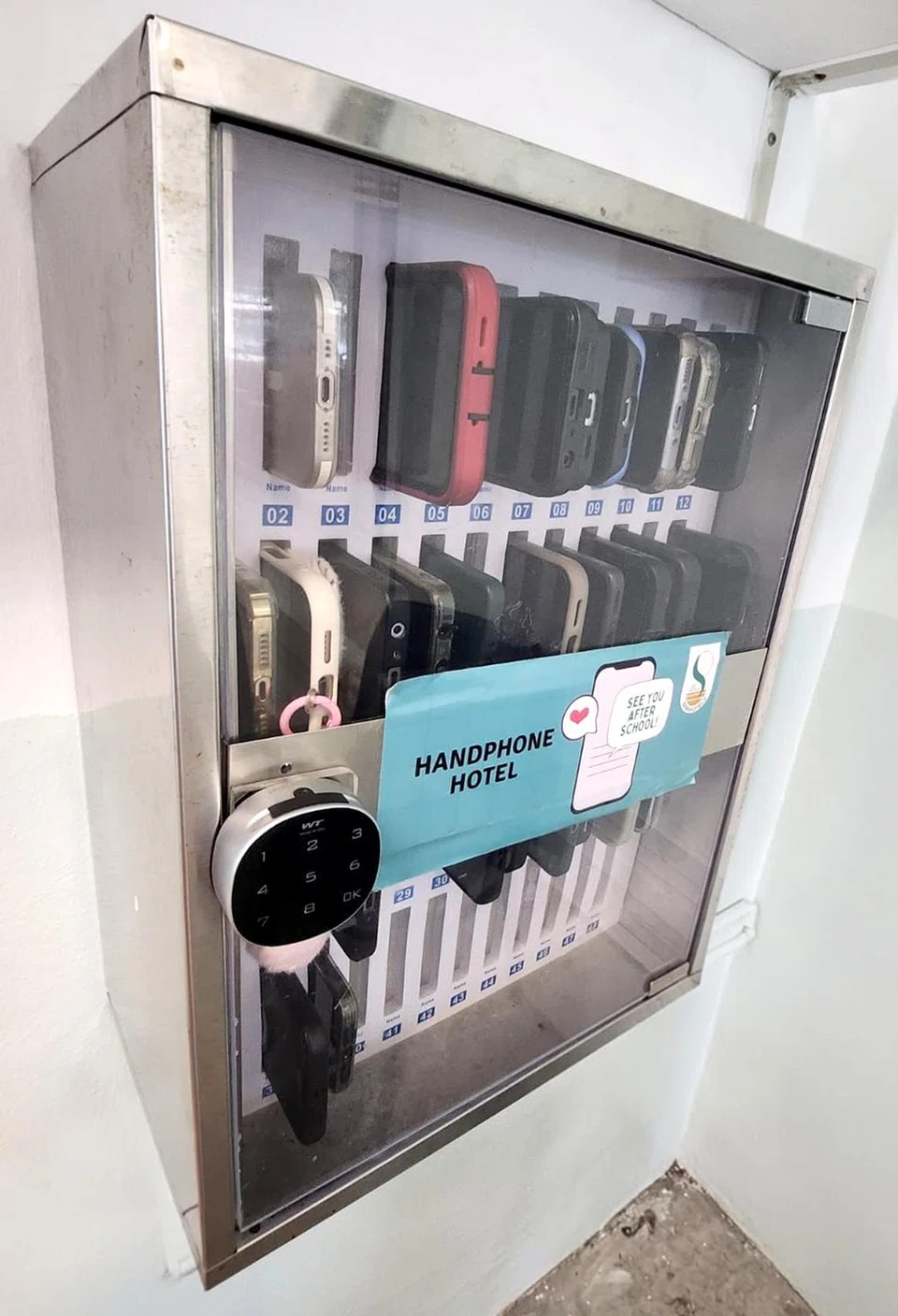
While MOE allows phones to be kept in bags or designated storage areas, several schools have opted for specialized mobile phone lockers managed by teachers. Tender documents on government procurement portal GeBIZ show that schools such as Cedar Girls’ Secondary, Hai Sing Catholic, Admiralty Secondary, and Hillgrove Secondary expressed interest in acquiring these lockers in late 2025 and early 2026. These lockers are typically installed in CCTV-monitored areas and secured with digital combination locks or smart cards.
Parents Support Reduced Screen Time
Many parents have welcomed the stricter measures. Madam Agnes Monica, whose son attends St Gabriel’s Secondary School, said the rules encourage meaningful social interaction. She noted that recess should be a time for students to rest mentally and connect with peers rather than remain glued to screens. Schools have also provided alternative communication channels, such as general hotlines, to ensure parents can reach their children in emergencies.
Students Adjust To Life Without Phones
Although some students initially wished for more freedom, many are adapting. Thirteen-year-old Secondary 1 student Lashaun G’haran shared that without his phone, he now spends recess exploring school grounds, learning about school history, or interacting with friends in person. He admitted that if phones were allowed, most students would likely sit together playing games instead of engaging socially.
Springfield Secondary’s Early Success
Springfield Secondary School offers a clear example of how phone lockers can change student behavior. After observing excessive device use following the Covid-19 pandemic, the school introduced “handphone hotels” in 2023. Spending less than S$6,000 on about 40 wall-mounted lockers and several portable units, the school required students to switch off and deposit phones each morning. According to principal Eleanor Chia, this led to improved lesson focus, stronger social interaction, and fewer disciplinary cases.
Tangible Impact On School Culture
Teachers at Springfield reported spending less time managing classroom distractions, while students became more engaged during lessons and breaks. Social spaces like canteens shifted from silent screen time to lively conversations, and more students participated in sports and outdoor activities. Attempts to bypass the system declined significantly after the first year, and other schools have since visited Springfield to learn from its experience.
Singapore’s move toward stricter smartphone controls in schools reflects a broader effort to balance technology with student wellbeing. For both Indonesians and Singaporeans observing regional education trends, the initiative highlights how structured digital boundaries can improve focus, discipline, and social development among young people in an increasingly connected world.
Sources: Straits Times (2026)
Keywords: Mobile Phone Lockers, MOE Guidelines, Singapore Schools, Student Focus, Digital Detox


