


How automation cut waiting times and reshaped frontline services at ICA
Singapore’s push toward smarter public services is taking shape in unexpected places. At the Immigration and Checkpoints Authority, robots are quietly changing how citizens collect passports and identification cards, turning a once time-consuming process into a swift and predictable experience.
Faster Collection Through Automation
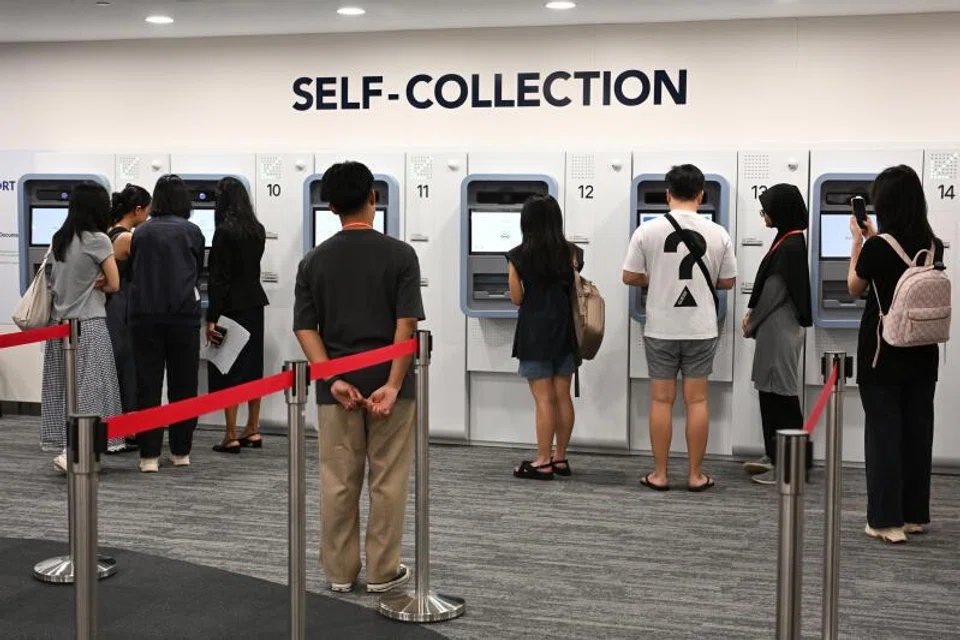
Collecting a new passport or identification card at the ICA Services Centre now takes about five minutes, down from roughly 11 minutes previously. The improvement comes from ICA’s integrated smart document management system, known as iSMART, which uses robotics to retrieve and deliver documents directly to self-collection kiosks. The system was launched in July 2025 and has been operating at the ICA Services Centre in Crawford Street since April 2025.
Solving Longstanding Bottlenecks
Before iSMART, applicants collecting simple renewals had to queue alongside those with complex cases such as lost or damaged documents. According to ICA Services Centre senior manager of customer operations Aruna Morgaya, waiting times were often unpredictable, making it difficult for people to plan their day. Officers also had to manually store and retrieve documents, a process likened to searching through a packed library.
Inside the iSMART System
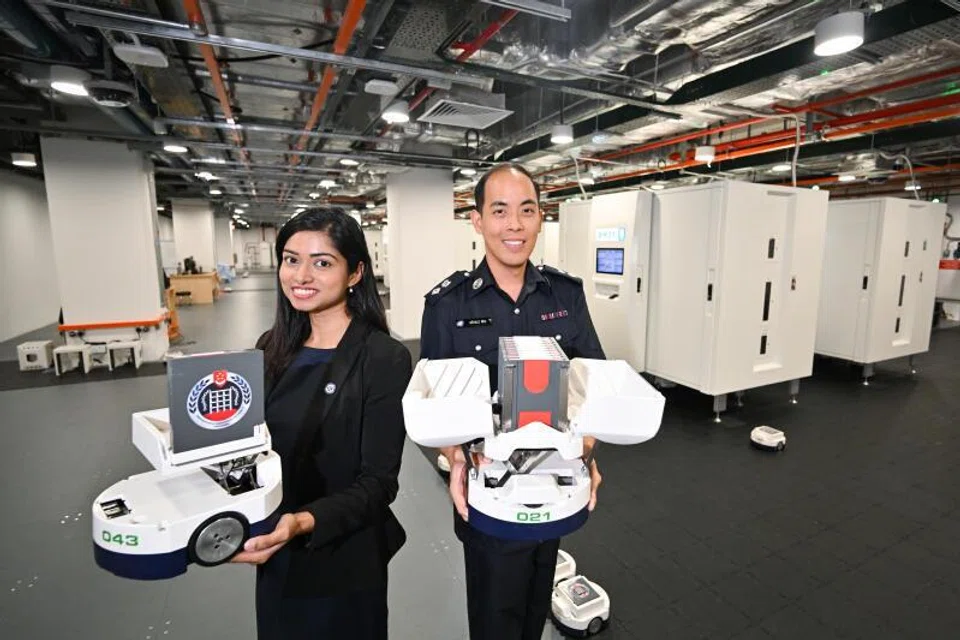
Planning for iSMART began in 2019, involving ICA teams, the Home Team Science and Technology Agency, and an external vendor. Development took about five years, including a two-month public pilot phase to refine usability. Today, more than 100 disc-shaped robots operate within a secured room fitted with 23 storage shelves that can hold up to 23,000 identification cards and 46,000 passports in total.
How the Robots Work
Customers book an appointment in advance and can arrive anytime on the scheduled day. After identity verification at a kiosk, a robot is dispatched. Guided by RFID-enabled floor mats, it travels to the correct shelf, where a robotic arm retrieves the document. The robot then returns it to the kiosk. Customers insert their old identification documents into the kiosk, which invalidates them by punching holes, while ICA officers remain on hand to assist.
Significant Manpower Savings
The automation has sharply reduced manpower requirements. Previously, around 20 officers were needed to serve a similar number of customers. With iSMART, just five officers can oversee 20 kiosks at once. Larger robots have also taken over the task of transporting new documents from production areas to storage rooms, sorting items and identifying those meant for post office collection.
Better Experience for Officers and the Public
Feedback from the public has been positive, with many highlighting the speed and convenience of the process. Officers benefit as well, as they are freed from repetitive manual work and can take on higher-value roles such as conducting interviews for passport and NRIC applications. Deputy Superintendent Gerald Woo from ICA’s policy and development division noted that seeing the real-world impact of the system made the years of development worthwhile.
The rollout of iSMART reflects how thoughtful use of automation can improve efficiency without compromising security or service quality. For Indonesians observing regional best practices and Singaporeans experiencing these upgrades firsthand, the system highlights how technology can meaningfully enhance public services while optimizing manpower in an increasingly digital future.
Sources: Straits Times (2026) , The Star (2026)
Keywords: ICA Singapore, Passport Collection, Service Automation, Robotics Technology, Smart Nation Initiative


