


NUS researchers develop breakthrough techniques to make carob taste closer to real cocoa.
As cocoa prices surge and climate risks threaten global supply, Singapore scientists are racing to reinvent chocolate. A team at the National University of Singapore has unveiled new processing breakthroughs that transform carob, a hardy and sustainable crop, into a convincing cocoa alternative.
A Growing Crisis in Cocoa Supply
Global cocoa production has been hit hard by extreme weather, prolonged droughts and fast-spreading plant diseases. West Africa, responsible for about 70 percent of the world’s cocoa, has seen some of its most severe disruptions in decades. Prices soared to a record monthly average of US$10,709.30 per tonne in early 2025 before easing slightly to US$5,591.21 in November, still more than twice the cost recorded in November 2022.
The instability has renewed urgency for viable substitutes, especially those resistant to climate change. This is where carob, derived from the drought-tolerant Ceratonia siliqua tree, offers promise.
Carob’s Potential and Its Biggest Barrier
Carob pulp is naturally sweet, caffeine-free and rich in d-pinitol, a compound linked to anti-diabetic effects. The crop thrives in hot, arid environments, making it far more climate-resilient than Theobroma cacao. Yet despite these advantages, carob has never broken into the mainstream chocolate market due to its weaker flavour profile.
Associate Professor Liu Shao Quan from NUS explained that carob lacks the bitterness, nuttiness and roasted complexity that chocolate lovers expect. Its caramel-like sweetness also does not replicate cocoa’s depth, limiting widespread adoption.
NUS Breakthrough: Two Novel Enzyme-Based Methods
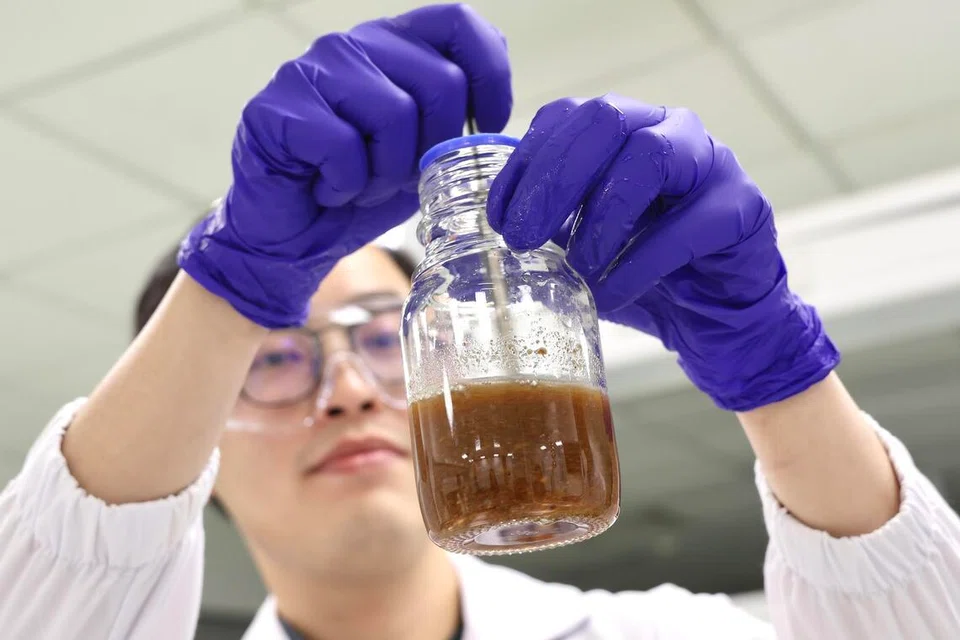
To bridge the flavour gap, NUS food scientists published two research papers detailing innovative, additive-free methods that reshape carob’s natural chemistry. Both techniques use food-grade enzymes, allowing scalability without artificial flavourings.
Technique 1: Enhancing Bitterness and Cocoa Depth
The first method enzymes soy protein before blending it with carob pulp. Hydrolysis breaks the protein into smaller fragments, creating more amino acids and peptides. These react during roasting to produce two key flavour molecules associated with chocolate:
– 2-methylbutanal
– 3-methylbutanal
This result is a richer, more familiar cocoa-like bitterness with reduced woody off-odours.
Technique 2: Boosting Sweetness and Roasted Aromas
A second method directly adds enzymes to carob pulp and water. This breaks down carob’s natural sugars before roasting. When heated, the sugars trigger Maillard reactions that generate sweet, caramel-like aromas linked to roasted chocolate notes.
Clean-Label Chocolate Alternatives
Both processes maintain a clean ingredients list. As Associate Professor Liu emphasised, the innovation enhances carob’s intrinsic chemistry instead of masking flavours with additives. First author and PhD researcher Manfred Ku added that the goal is not just imitation but expanding chocolate’s ingredient base to help the industry adapt to environmental threats.
Commercial Promise and Sustainability Gains
Carob pulp is a low-value by-product of locust bean gum production. Repurposing it into a cocoa alternative can reduce agricultural waste, create new revenue streams, and lower manufacturing costs. Tridge recorded carob prices at US$3,170 per tonne in November, significantly cheaper than current cocoa levels.
The improved flavour opens opportunities for confectioners to use carob in bars, powders, spreads and malt drinks. If scaled, it could ease dependence on volatile cocoa supply chains and strengthen resilience against climate-driven shocks.
Next Steps for Singapore’s Food Innovation
The NUS team is exploring fermentation and roasting adjustments to further refine flavour profiles. They are now seeking industry partners to commercialise the process and expand applications in global markets.

These breakthroughs signal a major shift not only for the chocolate industry but also for regional food security. As climate threats continue to strain cocoa-producing regions, innovations like NUS’s carob-based chocolate could reshape how Indonesians, Singaporeans and the wider region balance taste, sustainability and supply resilience in the confectionery sector.
Sources: Straits Times (2025) , New Food Magazine (2025)
Keywords: Carob Chocolate, Cocoa Substitute, NUS Research, Climate Resilient Crops, Food Innovation


