


Digital wallets reshape marketing as super apps redefine everyday spending nationwide
Malaysia’s e-wallet boom has transformed daily routines, reshaping how people shop, commute, connect, and interact with brands. With adoption now exceeding 87 percent, digital wallets have evolved from novelty tools into indispensable consumer touchpoints powering payments, rewards, credit, and lifestyle services.
A Nation Built on Cashless Habits
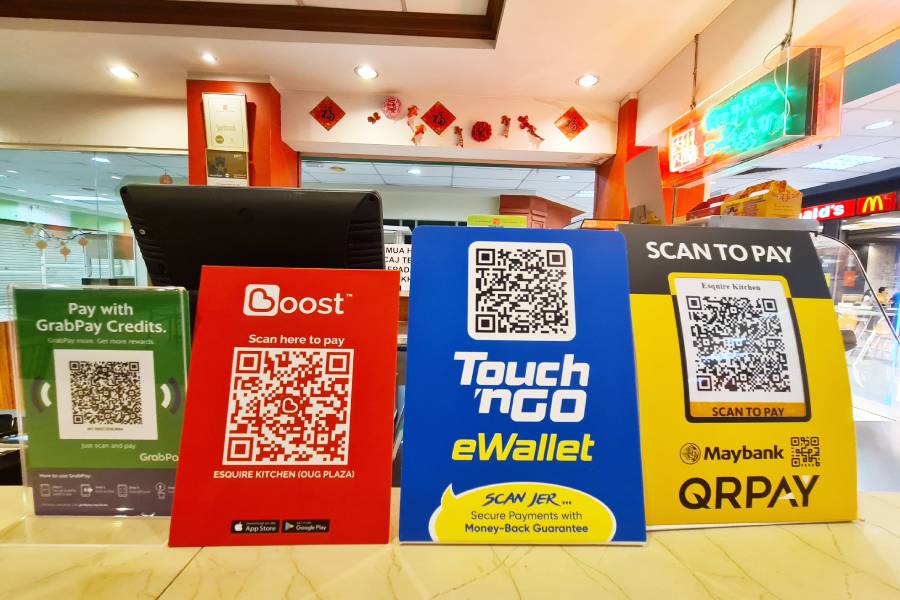
Malaysians now make more than 400 e-payments a year, positioning the country among the world’s fastest adopters of digital wallets. Popular players such as Touch ’n Go, GrabPay, ShopeePay, Boost, BigPay, MAE, and Wise have rapidly expanded beyond payments to offer insurance, investments, microloans, and lifestyle rewards. This ubiquity has reshaped how brands compete for visibility in daily consumer routines.
Shom Mabaquiao, APAC insights editor at Canvas8, notes that wallets have become “default companions,” turning the challenge from driving adoption to sustaining top-of-mind presence. As adoption widens, marketers no longer rely on aggressive cashback promotions but instead aim to embed touchpoints into natural spending behaviors.
Marketing Evolves for a Wallet-First Consumer
Marketers are shifting toward ecosystem-based engagement, designing experiences around QR redemptions, in-app vouchers, instant rewards, and cross-service targeting. According to Edmund Teo, head of media at Lion & Lion, campaigns must now be mobile-first, format-specific, and measurable, reflecting rising expectations for speed and seamlessness.
This shift also means campaigns must reduce friction between exposure and action. Promotions redeemed instantly through e-wallet ecosystems provide real-time data that optimizes ad spend and aligns marketing with consumer behavior.
The Rise of Retail Media Networks and Data-Driven Journeys
Retail media networks (RMNs) embedded within super apps are emerging as powerful tools for marketers navigating hybrid shopping journeys. Consumers move fluidly between online browsing and offline purchasing, and RMNs allow brands to engage them through transaction-driven datasets. Kantar projects RMNs in Southeast Asia to reach US $4.7 billion by 2030, outpacing search and social advertising.
For brands, this means driving traffic from digital campaigns into offline stores, enabling frictionless checkout, and linking identity across parallel channels. This omni-commerce approach elevates user experience and strengthens measurable ROI.
E-Wallets as Full-Funnel Engagement Engines
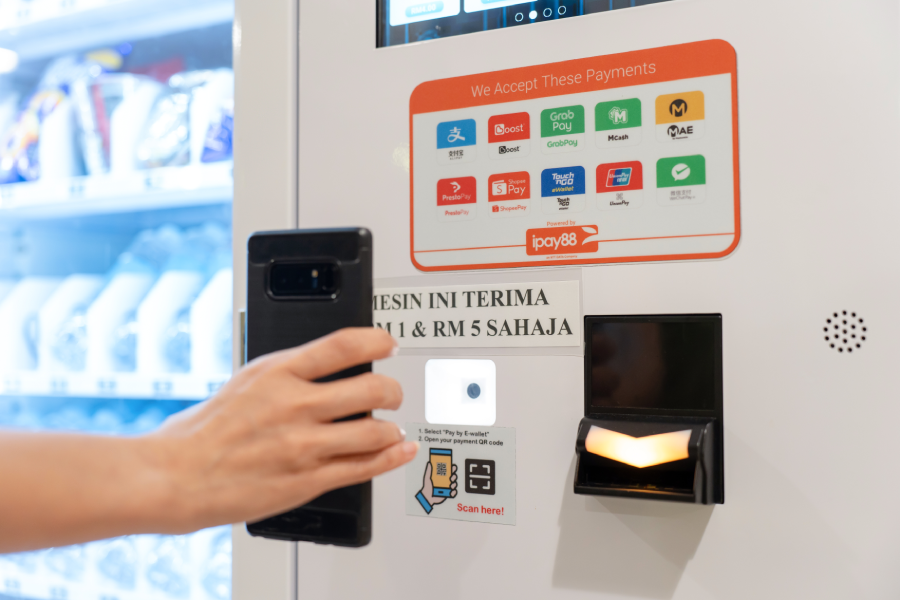
Malaysia’s national QR standard, DuitNow QR, powers more than 2.6 million payment points. From hawker stalls to hypermarkets, this infrastructure transforms the checkout moment from the end of the funnel into the beginning of continuous engagement.
E-wallets now support full-funnel marketing:
– Awareness through sponsored placements
– Conversion via seamless payments
– Retention through loyalty, cashback, and personalised offers
Marketers can track post-purchase behavior, creating re-engagement audiences for more precise targeting. For FMCG and QSR brands, this shifts budgets from pure acquisition to a balance of acquisition and retention.
Innovation Fueled by Personalisation and AI
Instant rewards, personalised transport discounts, lifestyle bundles, and smart budgeting features are driving new forms of engagement. Brands increasingly pull data from ride-hailing, delivery, travel, and payment histories to tailor offers in real time.
With 60 percent of Malaysian shoppers using smartphones in-store to check prices, scan products, or pay, AI-enhanced recommendations and deal-finding are expected to become central to future wallet ecosystems. Digital banks and super apps are also segmenting consumer budgets into specialized pockets, enabling micro-moment targeting based on financial behavior.
Fragmentation, Compliance, and Rising Expectations
Despite rapid progress, Malaysia’s super app ecosystem faces challenges, including fragmented payment systems, varying integration across transit lines, and differing technical standards in rural regions.
Financial compliance is tightening, especially for PayLater products used by more than five million Malaysians. Under the Consumer Credit Act 2025 and guidance from Bank Negara Malaysia’s Shariah Advisory Council, marketers must balance convenience with responsibility, ensuring transparency in the promotion of credit and insurance.
As services expand to include loans, insurance, and budgeting tools, simplifying complex processes while maintaining security remains a major hurdle.
Culture at the Heart of Wallet Success
Cultural insight has become a strategic differentiator in wallet-based marketing. In Malaysia, wallets influence not only shopping and commuting but also religious practices and civic participation. Touch ’n Go and Boost allow zakat contributions in-app, while government programs like eMADANI use e-wallets to distribute national benefits.
Campaigns tied to Ramadan shopping, payday rituals, gifting traditions, and regional cultural norms consistently outperform generic promotions. As Teo explains, wallet-linked campaigns aligned with cultural sensitivities achieved stronger acquisition metrics during Hari Raya, proving that emotional resonance remains essential in financial technology marketing.
Malaysia’s rapid adoption of e-wallets marks a fundamental shift in how consumers interact with brands across their daily journeys. As wallets become hubs for payments, credit, rewards, and culture, marketers across Malaysia, Indonesia, and Singapore must adapt to an ecosystem where engagement is continuous, contextual, and deeply personal. The winners will be those who combine technological innovation with cultural intelligence and consumer empathy.
Sources: Campaign Asia (2025)
Keywords: Malaysia E-Wallet Adoption, Super App Growth, Digital Wallet Marketing, Consumer Insights Malaysia, Retail Media Networks


