


The large-scale dairy project in Mersing aims to boost Malaysia’s milk self-sufficiency and support local farmers.
Johor is setting its sights on producing more than three million litres of fresh milk in 2026 through the ambitious Jemaluang Dairy Valley (JDV) project. With over 1,000 dairy cows imported from Australia and another 1,000 calves expected within months, the state is gearing up to become a leading milk producer in Malaysia.
A Milestone for Malaysia’s Dairy Industry
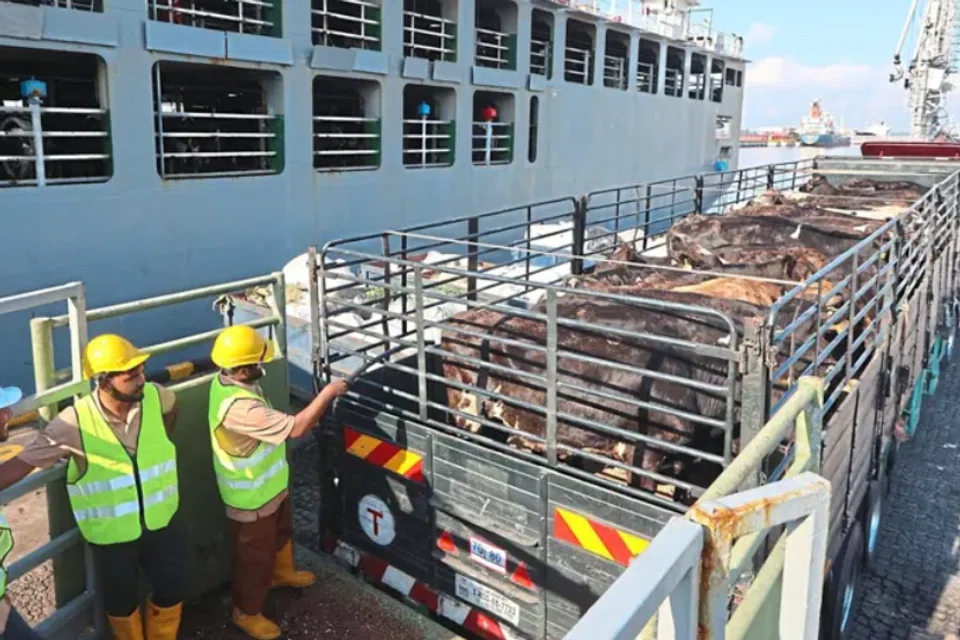
Johor Agriculture, Agro-Based Industry, and Rural Development Committee Chairman Datuk Zahari Sarip said the state expects to produce over three million litres of milk next year, with production forecasted to rise to between four and five million litres by 2027. “In five years, we expect JDV to produce around 12 million litres annually, boosting national milk output by 20%,” Zahari said after inspecting the newly arrived herd at Johor Port in Pasir Gudang on November 1.
Cows Arrive from Australia
The imported cattle—most of them pregnant—are currently undergoing quarantine before being transported to the 275-hectare JDV facility in Mersing. The first batches of milk are expected as early as January 2026, or by March at the latest. Each cow can produce roughly 35 litres of milk per session, with milking occurring up to three times a day.
The new arrivals are part of JDV’s strategic plan to establish a stable and scalable dairy ecosystem. Additional imports from Australia are being considered depending on production needs and target fulfillment.
Collaboration for Growth
JDV is a joint initiative between the Johor government and the East Coast Economic Region Development Council (ECERDC), managed by Jemaluang Dairy Valley Sdn Bhd. The collaboration aims to strengthen Malaysia’s dairy supply chain, enhance food security, and reduce dependence on imported milk products.
“This project will not only meet local demand but also create new opportunities for small-scale dairy farmers,” Zahari explained. “We want to ensure that smaller producers can channel their milk to JDV instead of discarding surplus, as was often the case in the past.”
Supporting Local Farmers and Rural Communities
Beyond production, JDV seeks to serve as a central collection and processing hub, helping local farmers integrate into a more efficient supply chain. With advanced processing facilities, smallholders will gain stable income and market access—key steps in revitalizing rural agricultural livelihoods.
Zahari added that JDV could evolve into an agrotourism destination, drawing visitors interested in modern dairy farming. “There are already many videos about it circulating online, and once operations begin, we’ll invite media to experience the site firsthand,” he said.

Boosting National Self-Sufficiency
Currently, Malaysia imports the majority of its dairy products to meet local demand. With JDV expected to contribute significantly to domestic supply, the project represents a strategic move toward self-sufficiency in fresh milk production.
The Jemaluang Dairy Valley project marks Johor’s bold step toward transforming Malaysia’s dairy landscape. By merging modern technology, local collaboration, and agrotourism potential, JDV is poised to reduce import reliance while empowering rural farmers. Its success could pave the way for Malaysia’s next frontier in sustainable and self-reliant food production.
Sources: The Vibes (2025) , The Star (2025)
Keywords: Jemaluang Dairy Valley, Fresh Milk, Johor Agriculture, Dairy Production, ECERDC, Local Farmers


