


Four airports across North America were breached as hackers broadcast pro-Hamas messages and anti-Trump remarks.
Hackers infiltrated public address and display systems at four North American airports on October 14, broadcasting messages that praised Hamas and criticized former US President Donald Trump. Authorities in both Canada and the United States are now investigating the coordinated cyber intrusion.
Hackers Breach Four Airports’ PA Systems
Officials confirmed that three Canadian airports and one in the United States experienced coordinated cyberattacks on October 14. The breaches affected Kelowna International Airport and Victoria International Airport in British Columbia, as well as Windsor International Airport in Ontario. In the US, Harrisburg International Airport in Pennsylvania was targeted. Hackers reportedly used airport PA systems to stream music and messages in a foreign language, expressing support for Hamas and criticizing Donald Trump.
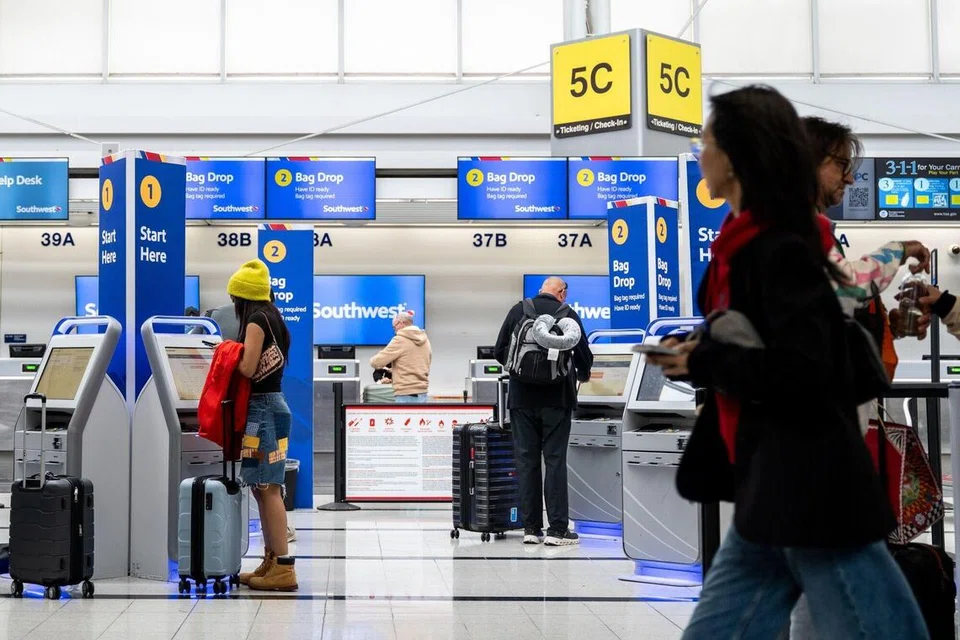
Kelowna and Victoria Airports Targeted
The Royal Canadian Mounted Police (RCMP) said the “advertisement streaming service” at Kelowna International Airport was briefly compromised, leading to unauthorized content being played. At Victoria International Airport, hackers accessed the system through third-party software, forcing airport authorities to switch to an internal system to regain control. The Canadian Centre for Cyber Security is assisting the RCMP with the investigation, which remains ongoing.
US Authorities Confirm Similar Incident
Across the border, US Transportation Secretary Sean Duffy confirmed that hackers took control of the PA system at Harrisburg International Airport. The Federal Aviation Administration (FAA) and airport officials are jointly investigating, though the FAA has yet to issue an official statement.
Windsor Airport Displays Unauthorized Images
In Ontario, hackers not only hijacked the PA system but also breached flight information screens at Windsor International Airport, displaying unauthorized images and announcements. Airport authorities said the intrusion stemmed from a “cloud-based software provider,” adding that normal operations resumed shortly after the attack.
Focus on Smaller, Feeder Airports
All four airports are classified as smaller, regional hubs. Kelowna International Airport, the busiest among them, served just over 2 million passengers in 2024—far fewer than the 25 million who passed through Vancouver International Airport the same year. This pattern suggests that hackers may have targeted less fortified systems to exploit third-party software vulnerabilities.
Growing Concern Over Aviation Cybersecurity
The coordinated nature of these breaches highlights growing cybersecurity risks within aviation infrastructure. Investigators are now examining whether the same group orchestrated all four incidents. Both Canadian and US agencies are collaborating to trace the digital origins of the attack, warning that vulnerabilities in external cloud-based systems pose significant risks to critical airport operations.
The airport hacks underscore the vulnerability of digital infrastructure even in advanced economies like Canada and the US. As cross-border investigations continue, this incident serves as a reminder for Southeast Asian nations—including Indonesia and Singapore—to reinforce cybersecurity measures in transport and public infrastructure, ensuring similar threats do not disrupt their increasingly connected systems.
Sources: Straits Times (2025) , Arab News (2025)
Keywords: Cyber Attack, Airport System Breach, Hamas Messages, Canada Hack, US Investigation, Cybersecurity Threat


