


NUS scientists discover natural oil-eating microbes that could offer eco-friendly solutions to future spills
After Singapore’s worst oil spill in 2024, researchers have found that nature might already have its own clean-up team — a diverse army of microbes living along the nation’s coasts. The discovery could pave the way for greener, science-driven methods of tackling marine pollution in the years to come.
Microbes Rise as Natural Oil-Breakers
Traditionally, chemical dispersants are used to manage oil spills by breaking slicks into smaller droplets. However, a new study led by Professor Stephen Brian Pointing of the National University of Singapore (NUS) reveals that local microbes could offer a safer, natural alternative. His team’s findings highlight how the ocean’s microbiome — often overlooked in coastal planning — plays a vital role in restoring balance after environmental disasters.
Discovery from a Crisis
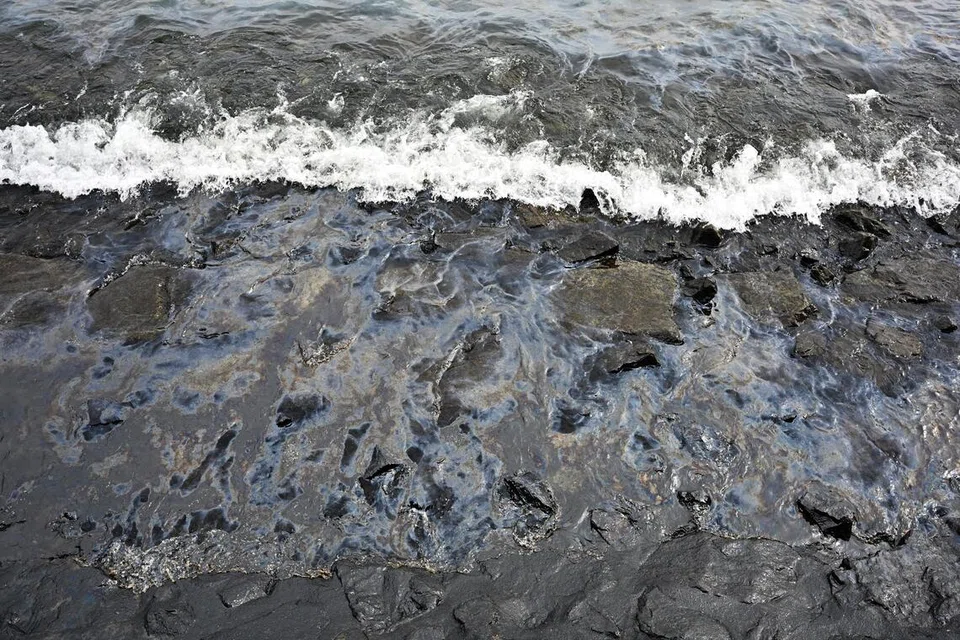
When more than 400 tonnes of oil leaked into Singapore’s southern waters in June 2024, the event devastated marine life and coastal ecosystems. Yet, it also provided researchers an unprecedented opportunity. Prof Pointing’s team collected sand samples from Bendera Bay on St John’s Island, an area intentionally left uncleaned for scientific study. Using metagenomic sequencing, they identified 41 species of oil-degrading bacteria thriving in the most polluted zones.
The Star Microbe: Macondimonas Diazotrophica
Among the findings was the bacterium Macondimonas diazotrophica, detected for the first time in Singapore’s waters. Previously seen after the Deepwater Horizon disaster in the Gulf of Mexico, this microbe can break down oil in low-nutrient tropical environments — making it particularly suited for Southeast Asian coastlines. Within six months, oil hydrocarbons became undetectable in the sampled sands, suggesting that these microbial communities had effectively cleansed the contaminated area.
Natural Restoration and Environmental Indicators
Interestingly, even after the oil vanished, the microbes persisted. This sustained presence means Singapore’s coastal ecosystems may now be better equipped to naturally respond to future spills. Two species of archaea, organisms found in healthy shorelines, were also detected post-spill — signalling environmental recovery. “Nature can lend a helping hand and do the job for us, given sufficient time,” Prof Pointing remarked.
Rethinking Clean-Up Strategies
Chemical dispersants, used during the 2024 incident, were effective in quickly clearing oil from the surface — but they merely “sink” oil without breaking it down, often leading to long-term damage to marine ecosystems. Prof Pointing warned that oil residues can harm fish and invertebrates, posing risks to aquaculture and food safety. While microbial clean-up is slower, it avoids these toxic trade-offs and supports natural regeneration.
Engineering Nature into Future Protection
Building on their findings, Prof Pointing’s team is developing a “microbial cocktail” — a blend of different species that can collectively degrade oil from contaminated sands. They are also exploring how biofilm-friendly coastal structures could be incorporated into Singapore’s climate resilience infrastructure. Surfaces with rough textures and protective contours, for instance, could help these microbial communities survive storms and enhance long-term coastal defence.
A Blueprint for Sustainable Resilience
Marine biologist Assoc Prof Huang Danwei of NUS, who was not involved in the study, said the research underscores why microbial diversity is essential to a healthy ecosystem. These microscopic lifeforms perform vital environmental functions that benefit both nature and coastal communities living near industrial zones.
From tragedy came discovery. Singapore’s coastal microbes have proven to be a hidden force in environmental recovery — one that could redefine how the nation manages oil spills. As science and engineering converge, the next generation of coastal resilience may well be powered by nature itself.
Sources: Straits Times (2025) , The Star (2025)
Keywords: Singapore Microbes, Oil Spill Cleanup, NUS Research, Macondimonas Diazotrophica, Marine Pollution, Sustainable Innovation


