


International activists defy Israel’s blockade with an aid flotilla, sparking global outrage and protests.
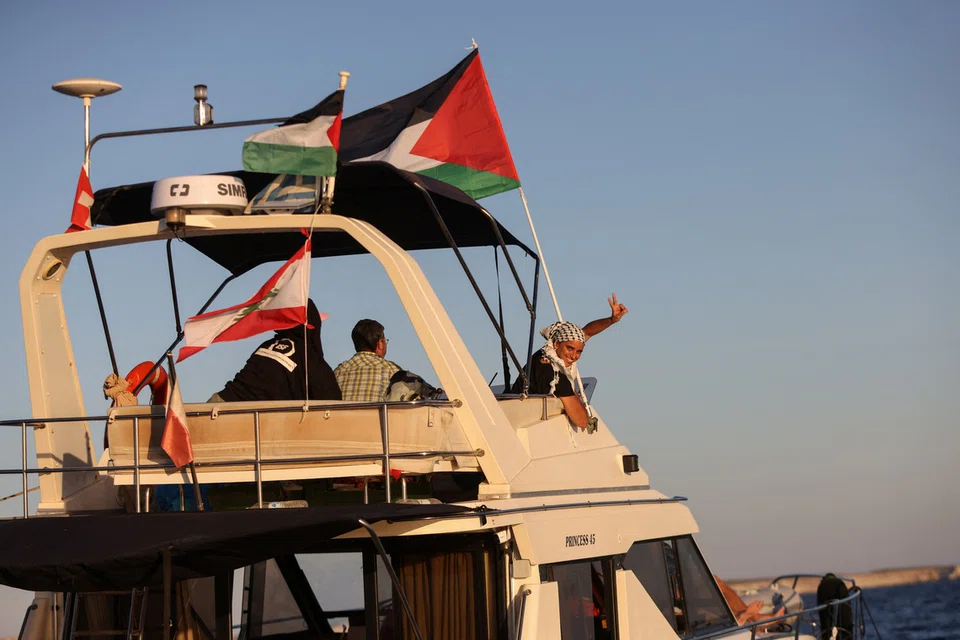
Israeli forces intercepted a convoy of aid boats bound for Gaza on October 1, detaining more than a dozen vessels carrying hundreds of activists, including Swedish climate campaigner Greta Thunberg. The high-profile mission, known as the Global Sumud Flotilla, sought to break Israel’s blockade of Gaza but instead triggered global protests and diplomatic fallout.
The Interception at Sea
According to flotilla organizers, the first vessels were stopped about 70 nautical miles from Gaza. Activists accused Israel of ramming boats and using water cannons, while Israel’s foreign ministry described the operation as safe and controlled. A verified video showed Thunberg surrounded by soldiers on deck before being transferred to an Israeli port. Officials insisted, “Greta and her friends are safe and healthy.”
The Mission’s Goals
The Global Sumud Flotilla, made up of more than 40 boats carrying around 500 parliamentarians, lawyers, and activists, departed Barcelona on August 31. Its stated aim was to deliver medicine, food, and clean water directly to Gaza’s civilians, rejecting Israel’s offers to reroute aid through Ashkelon. Organizers labeled the interception “an illegal attack on unarmed humanitarians” and vowed to continue their campaign “undeterred.”
Israel’s Position
Israeli officials defended the blockade, calling the flotilla a provocation rather than a humanitarian effort. The navy warned the vessels before boarding that they were entering an “active combat zone” and violating a “lawful blockade.” Jonathan Peled, Israel’s ambassador to Italy, argued, “The systematic refusal to hand over the aid proves the objective is not humanitarian, but provocative.”

Protests and International Reaction
The raid prompted immediate backlash. Turkey condemned it as an “act of terrorism,” while Italy, Spain, and Greece urged restraint and protection for those on board. Pro-Palestinian demonstrations erupted across Italian cities, including Rome, Pisa, and Turin, with a major labor union calling for a national strike in solidarity. Colombia’s President Gustavo Petro denounced the interception as an “international crime,” expelled Israeli diplomats, and suspended a free trade agreement with Israel.
Escalating Tensions and Past Precedents
This latest raid adds to a history of flotilla confrontations. In June 2025, Thunberg was detained and deported from Israel after joining another Gaza-bound vessel. A more deadly precedent occurred in 2010, when Israeli commandos killed nine activists aboard the Mavi Marmara, sparking global outrage. Nearly two years into Israel’s war in Gaza—launched after Hamas’s October 7, 2023, attack that killed 1,200 people—over 65,000 Gazans have died, according to local health authorities.
The Humanitarian Stakes
The UN has warned of famine conditions in Gaza, describing the crisis as “man-made.” With conventional aid routes tightly restricted, the flotilla became a symbol of international solidarity. Irish Foreign Minister Simon Harris called the reports “deeply concerning,” stressing the mission’s peaceful intent to highlight a “horrific humanitarian catastrophe.”
The interception of the Gaza flotilla underscores both the intractability of Israel’s blockade and the widening gulf between its military justifications and global humanitarian demands. For Indonesians and Singaporeans, the episode resonates as a reminder of how maritime activism, food insecurity, and international law intersect in modern conflict zones—where global solidarity movements collide with entrenched state security policies.
Sources: CNA (2025) , CNN (2025)
Keywords: Israel Gaza, Aid Flotilla, Greta Thunberg, Humanitarian Mission, Naval Blockade, International Protests


