


Survey finds nearly half face challenges, many avoid help due to stigma and burden fears
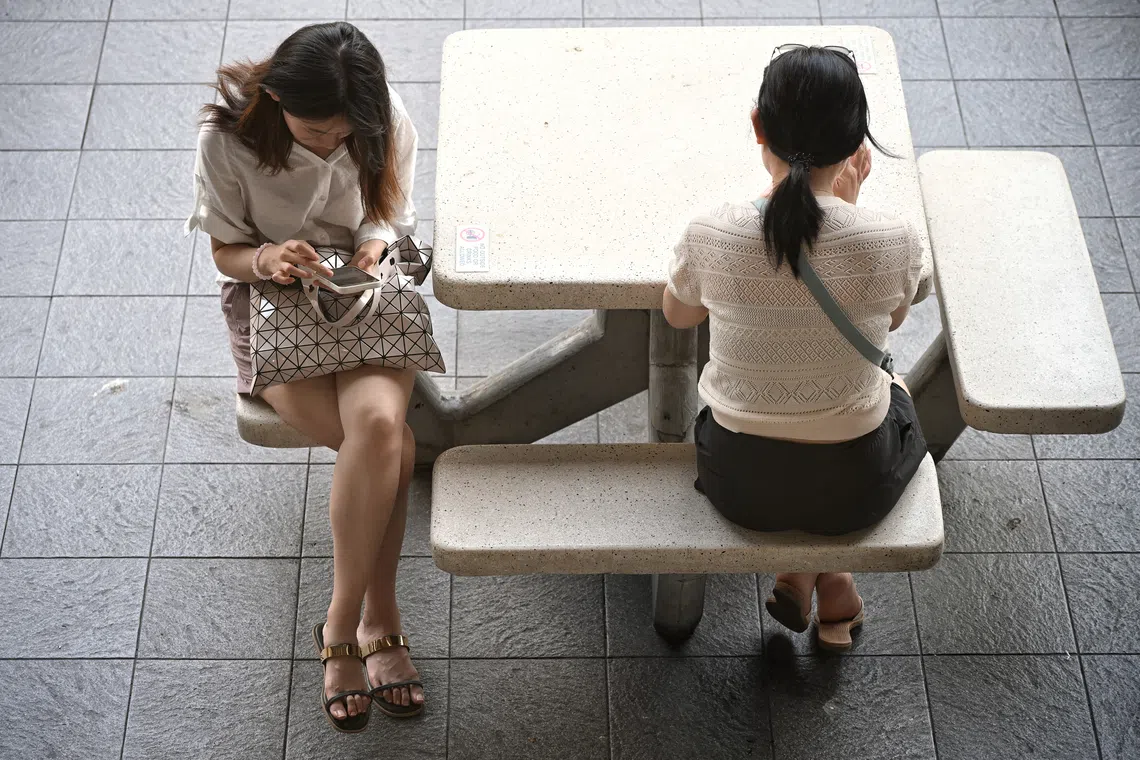
Almost half of women aged 40 to 59 in Singapore experience mental health challenges, yet most remain hesitant to seek professional support due to stigma and cultural pressures.
Rising Concerns Among Middle-Aged Women
A joint survey by the Singapore Council of Women’s Organisations (SCWO) and James Cook University (JCU) revealed that nearly half of middle-aged women in Singapore face mental health issues. Early findings, based on 300 participants, were shared at the Summit for Action on Gender Equality on September 29–30. While 59% have sought professional help, more than 70% of those who did not cited “feeling like a burden” as the main reason for avoiding treatment.
Pressures of Caregiving and Menopause
Panellists at the summit highlighted that women in this age group often juggle caregiving responsibilities while navigating menopause. These dual pressures create significant emotional strain, compounding the stigma around speaking openly about mental health. Dr Razwana Begum, head of the public safety and security programme at the Singapore University of Social Sciences, noted that many fear such discussions could negatively impact their families or careers.
Workplace Culture and Social Mindsets
Dr Razwana stressed that policies alone are not enough. “Policies and regulations are just words, but what matters are people’s actions, behaviour, and how comfortable people feel talking about certain things,” she said. She urged Singapore to foster less competitive environments in workplaces and communities to support honest conversations about well-being.
Shifting Perspectives On Gender Roles
Beyond mental health, the summit also addressed reframing masculinity. Minister of State for Social and Family Development Goh Pei Ming argued that describing national service as a “test of manhood” is outdated, pointing to women excelling in traditionally male-dominated roles, including fighter pilot and tank battalion commanders. He noted that younger men are becoming more mindful of their words and actions during national service, aided by equality-focused workshops from United Women Singapore.
Policy Progress And Persistent Challenges
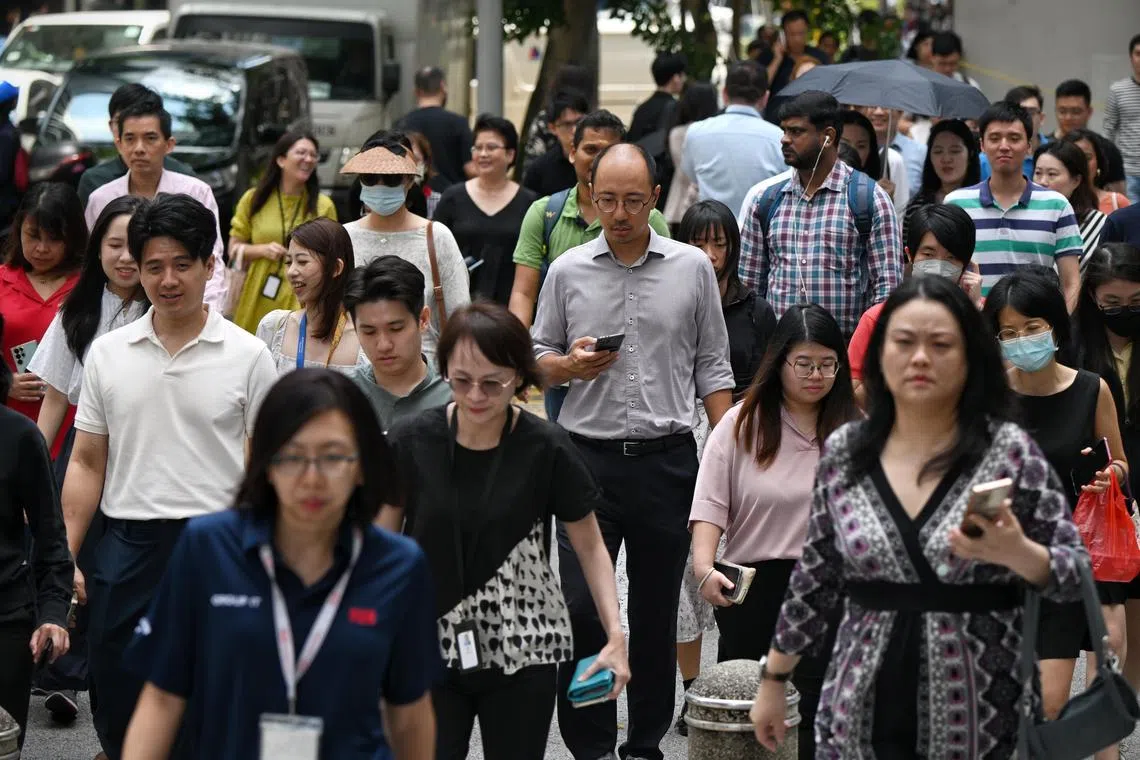
Minister for Social and Family Development Masagos Zulkifli highlighted government efforts, including a 10-year roadmap on women’s development, expanded government-paid paternity leave, and workplace anti-discrimination policies. However, he stressed that employers must “go beyond policies” by cultivating supportive cultures. Men, he added, should normalise sharing caregiving duties at home, ensuring balanced responsibilities.
The Broader Impact On Society
These findings and discussions underline the need for cultural change alongside policy shifts. For Singapore and neighbouring societies like Indonesia, the challenges of caregiving, workplace competitiveness, and gendered expectations resonate deeply. Addressing mental health and gender equality is not just about individual well-being but about shaping healthier, more supportive communities across the region.
Sources: Mothership (2025) , Straits Times (2025)
Keywords: Mental Health, Middle Aged Women, Singapore Women, Gender Equality, Caregiving Burden, Workplace Culture


