


Empoldering cuts sand use by half as coastal dike and water system secure land for military training and future development
Singapore has completed construction of its first polder at Pulau Tekong, reclaiming about 800 hectares of land—roughly the size of two Toa Payoh towns. The landmark project marks the Republic’s first reclamation below sea level and is seen as a model for climate adaptation and resource efficiency.
Landmark In Land Reclamation
First announced in 2016 by then-Minister for National Development Lawrence Wong, the Tekong polder represents Singapore’s first use of the Dutch empoldering method. Unlike conventional infill reclamation, which consumes large amounts of sand, empoldering builds a coastal dike and pumps water out, creating low-lying land below mean sea level. Officials estimate sand use was reduced by nearly 50%.
Climate-Ready Coastal Defense
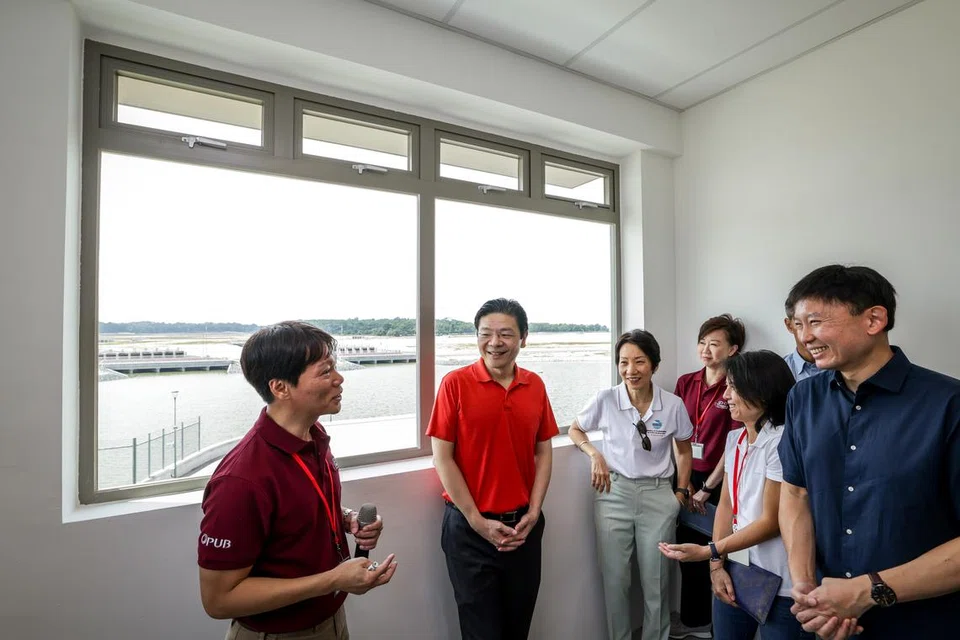
A 10km-long dike, standing up to 6m above sea level, encloses the polder and can be raised in future to guard against projected sea-level rise of up to 5m by 2100. The reclaimed land sits about 1.2m below mean sea level, protected by drainage canals, inlet and outlet gates, and two pumping stations. A 116ha stormwater pond, capable of holding 5 million cubic metres of rainwater, mitigates flood risks from Singapore’s heavy tropical rainfall.
High-Tech Monitoring And Safety
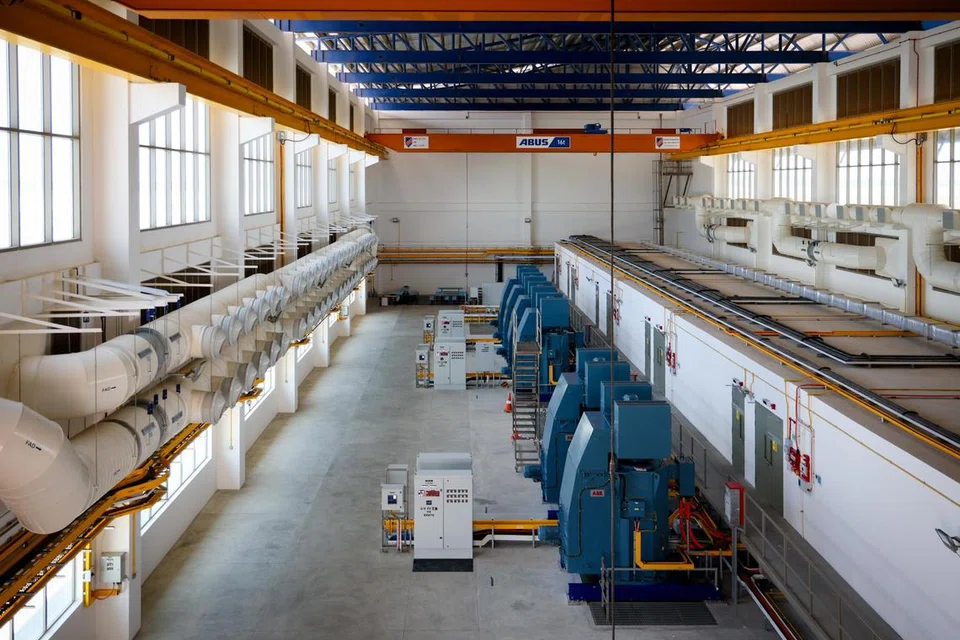
PUB has installed over 170 CCTV cameras and 260 sensors to monitor water levels, quality, and the integrity of the dike in real time. Automated backup pumps and generators ensure resilience against power or equipment failures, while warning systems are in place to alert personnel during emergencies.
Military And Civil Uses
The Tekong polder will primarily support military training, freeing mainland space for new homes and amenities. Once final testing of its water management and telecommunications systems is complete later this year, HDB will hand over the site to PUB and the Ministry of Defence.
Environmental Safeguards
To minimise ecological disruption, endangered plant species were relocated to Pulau Ubin, and surveys confirmed no major impact on nearby habitats. Marine life such as sea grapes, sea stars, and sea sponges remain present post-construction. The use of dredged clay soil from the pond reduced reliance on imported sand, aligning with Singapore’s push to diversify building materials after regional export bans.
Preparing For The Future
Authorities describe the Tekong project as a critical step in climate resilience, with lessons guiding future reclamation and coastal protection projects. Singapore’s Coastal and Flood Protection Fund, topped up with S$5 billion at Budget 2025, underlines the nation’s long-term commitment to guard nearly a third of its land—just 5m above sea level—against rising seas and extreme weather.
The completion of Singapore’s first polder demonstrates both engineering innovation and climate foresight. By blending Dutch expertise with local conditions, the Tekong project reduces reliance on sand, safeguards military readiness, and strengthens defenses against rising seas—setting the stage for future coastal protection strategies across the island.
Sources: CNA (2025) , Straits Times (2025)
Keywords: Singapore Polder, Pulau Tekong Reclamation, Empoldering Method, Coastal Protection Singapore, Rising Sea Levels, PUB HDB Project


