


Singapore’s Religious Harmony: The Legacy of Mufti Syed Isa Semait
The passing of Sheikh Syed Isa Semait, Singapore’s longest-serving Mufti, on July 7 at the age of 87, marks the end of an era for the nation’s Muslim community and the broader society. As the Republic’s second Mufti, his nearly four-decade leadership from 1972 to 2010 shaped the religious, social, and interfaith landscape of modern Singapore.
A Life Dedicated to Service and Harmony
Sheikh Syed Isa Semait assumed the role of Mufti at just 33, succeeding Sanusi Mahmood in 1972. Over his 38-year tenure, he became a cornerstone of religious guidance, overseeing key rulings and nurturing the growth of Singapore’s Muslim community. His funeral at Sultan Mosque drew national leaders, including Prime Minister Lawrence Wong and Senior Minister Lee Hsien Loong, who both paid tribute to his unwavering commitment to social cohesion and interfaith understanding.
Building Institutions for a Progressive Community

Under Sheikh Syed Isa’s stewardship, the Islamic Religious Council of Singapore (MUIS) established vital institutions that continue to serve the community today. He was instrumental in:
– Institutionalizing the use of astronomical calculations for Islamic calendar dates.
– Systematizing the collection and distribution of zakat, ensuring aid reached the needy.
– Overseeing the management and growth of wakaf (Muslim endowments) and launching a credible halal certification system.
– Supporting the Mosque Building Fund, which enabled the construction of mosques across Singapore.
Championing Interfaith Engagement and Social Harmony
Sheikh Syed Isa was a life member and former president of the Inter-Religious Organisation (IRO), and served on the Presidential Council for Religious Harmony and the Presidential Council for Minority Rights. His leadership fostered trust and cohesion among Singaporeans of all backgrounds, earning him national recognition and awards, including the Public Administration Medal (Gold) in 2009 and the Meritorious Service Medal in 2011.
Guiding the Community Through Complex Issues
As chair of the Fatwa Committee, Sheikh Syed Isa led Singapore’s top Islamic scholars in addressing challenging issues. Notably, he guided the community through the inclusion of Muslims under the Human Organ Transplant Act (HOTA) in 2007, rallying both authorities and community members to accept a unique solution. He also played a key role in the response to the Jemaah Islamiyah arrests and the establishment of the Religious Rehabilitation Group for detainees and their families.
A Lasting Commitment to Education
A firm believer in lifelong learning, Sheikh Syed Isa championed the professional development of religious teachers (asatizah) and the upgrading of madrasahs. His vision led to the creation of the Syed Isa Semait Scholarship in 2015, nurturing future leaders in Singapore’s religious sector. He advocated for contextualizing Islamic teachings in a modern, multi-religious society, ensuring the community’s resilience and adaptability.
Personal Reflections and Enduring Influence
National leaders and community members alike remember Sheikh Syed Isa for his humility, wisdom, and steadfast dedication. Senior Minister Lee Hsien Loong described him as “a role model and an exemplar to the whole of the Malay community, and in fact, to all Singaporeans.” His legacy endures through the institutions he built, the lives he mentored, and the spirit of unity he championed.
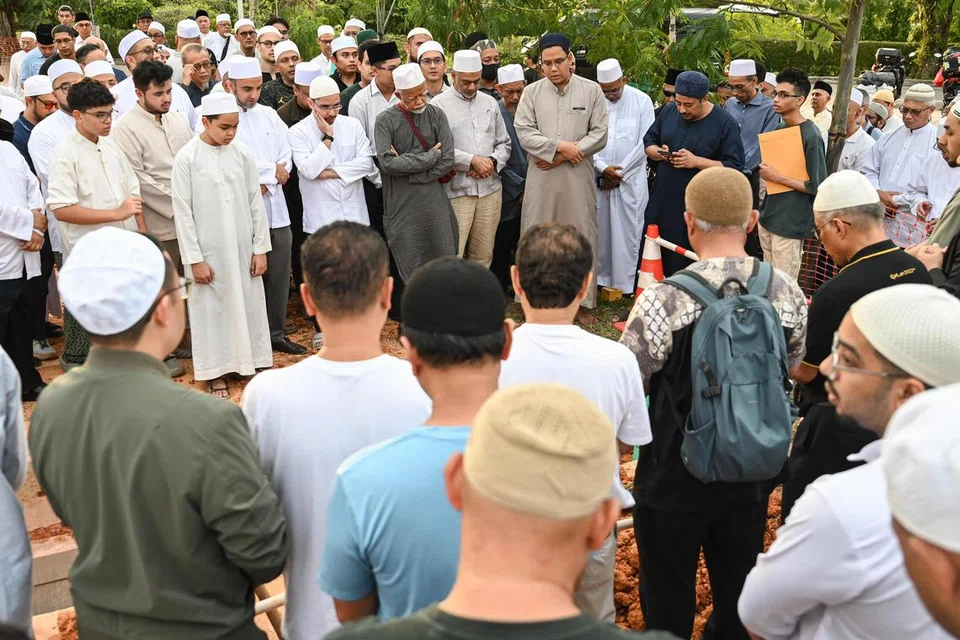
Sheikh Syed Isa Semait’s leadership transcended religious boundaries, strengthening the foundations of religious harmony and progressive Islamic thought in Singapore. His inclusive vision and institutional legacy continue to inspire both Singaporeans and Indonesians, serving as a model for interfaith cooperation and community resilience across the region.
Sources: Straits Times (2025) , CNA (2025)
Keywords: Syed Isa Semait, Singapore Mufti, Religious Leadership, Interfaith Harmony, Zakat, Islamic Education


