


Controversial disposal of Yale-NUS library books ignites backlash from students, alumni, and academics
The National University of Singapore (NUS) has come under fire for improperly disposing of library books from the now-defunct Yale-NUS College, triggering strong backlash from alumni, students, and the wider academic community.
Incident Overview
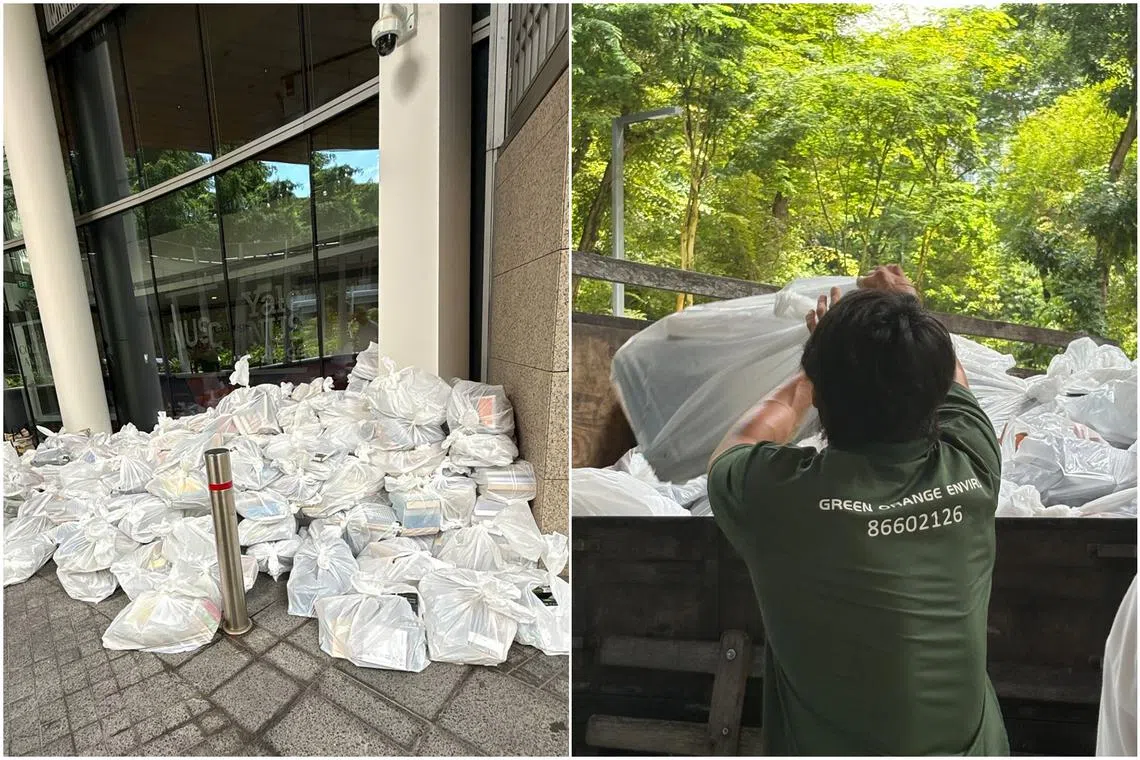
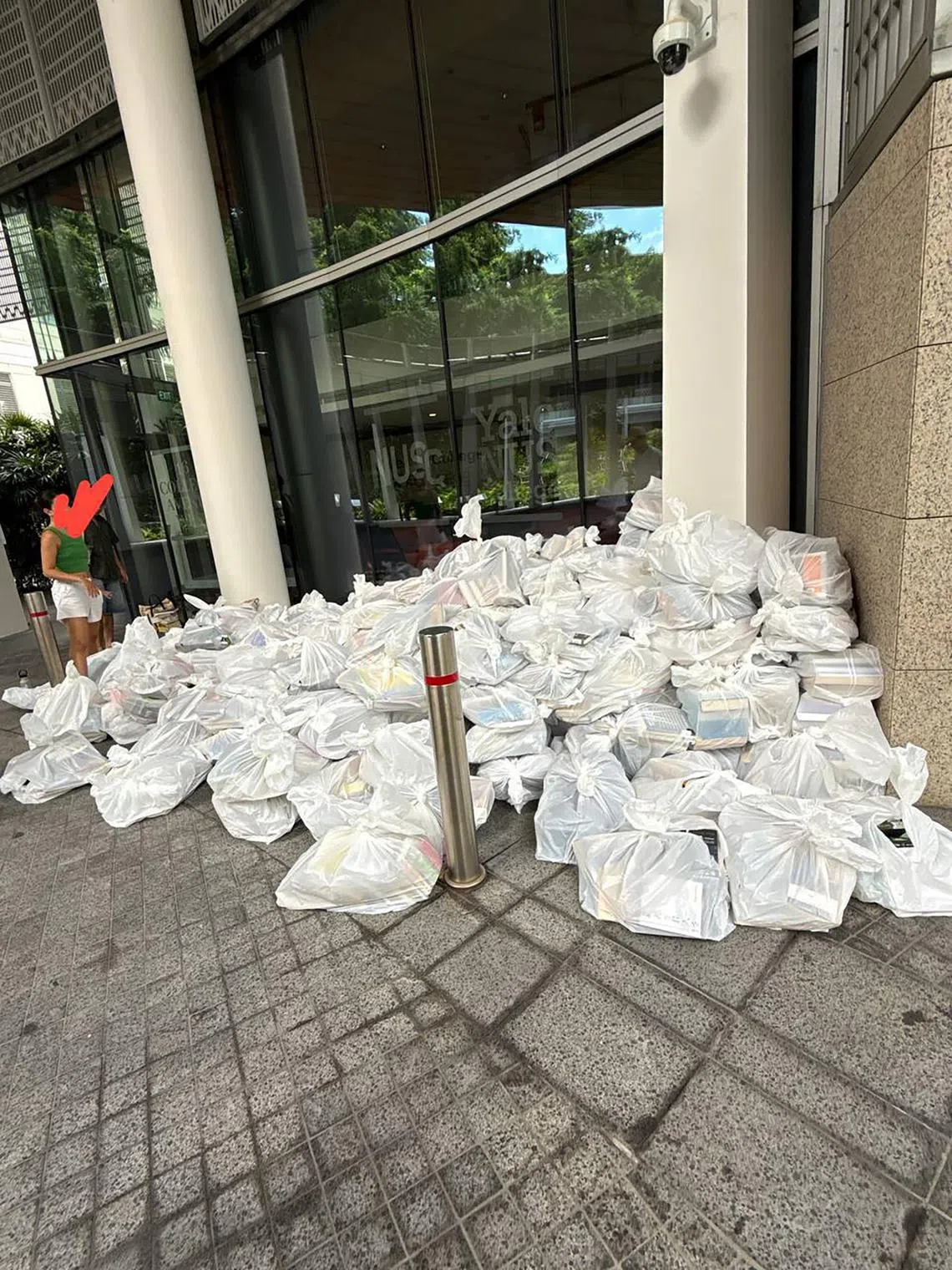
On May 20, 2025, students and alumni of Yale-NUS College were alarmed to find hundreds of library books being loaded into recycling trucks by Green Orange Enviro, a waste management company. The books, bagged in white plastic, were slated for shredding without prior notification to the student body. Attempts by students to reclaim the books were reportedly denied by staff on-site
University Response
In response to the backlash, NUS University Librarian Associate Professor Natalie Pang expressed regret over the incident, stating, “We understand later that many students are interested in having these books, and we would have usually acceded to their requests. We did not do so on this occasion and we apologise for the operational lapse.”
Community Reaction
The disposal sparked significant outrage among the Yale-NUS community. An online petition was launched, and social media platforms were flooded with expressions of disappointment and calls for greater transparency in university operations.
Institutional Reflection
The incident has prompted broader discussions about the handling of Yale-NUS College’s closure and the preservation of its academic legacy. Critics argue that the disposal reflects a lack of respect for the institution’s contributions to liberal arts education in Singapore.

Future Measures
NUS has committed to reviewing its procedures for handling excess library materials to prevent similar occurrences. The university aims to implement more inclusive practices that involve student input in decisions affecting academic resources.
This episode highlights deep sensitivities around institutional memory, transparency, and respect for intellectual heritage. For students, educators, and alumni in both Singapore and nearby regions like Indonesia, it underscores the importance of preserving educational legacies with care and clarity — especially when international partnerships and public trust are involved.
Sources: Mothership (2025) , Straits Times (2025) , CNA (2025) , South China Morning Post (2025)
Keywords: NUS, Yale-NUS, Book Disposal, Operational Lapse, Academic Community


