


After a five-year closure, North Korea welcomes international tourists, with Singaporeans among the first to explore the Rason Special Economic Zone.
In a significant development, North Korea has reopened its borders to foreign tourists for the first time since January 2020, when they were sealed due to the COVID-19 pandemic. The Rason Special Economic Zone (SEZ), located in the country’s northeast, is the initial area welcoming visitors. Tour operators report a surge of interest, including from Singaporean travelers eager to experience one of the world’s most secluded nations.
North Korea’s decision to reopen its borders marks a pivotal moment after a prolonged period of isolation. The Rason SEZ, established in 1991 to attract foreign investment, is the first region to welcome tourists as part of this reopening phase. Tour operators such as Young Pioneer Tours and Koryo Tours have been instrumental in facilitating these initial visits, with itineraries that offer a curated glimpse into North Korean society. This development occurs amidst ongoing international discussions about North Korea’s economic strategies and diplomatic engagements.
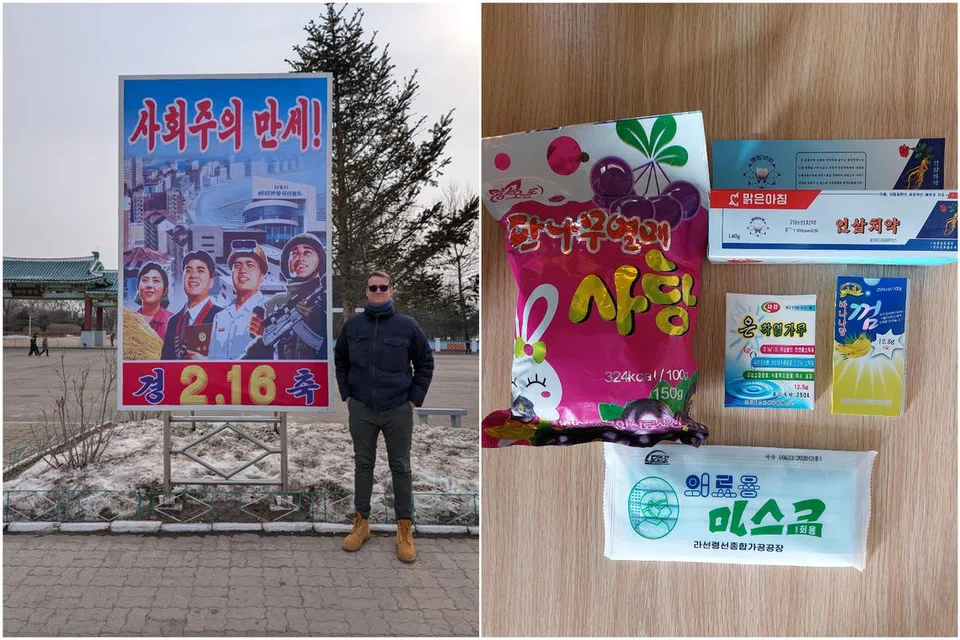
A Cautious Reopening Amidst Global Curiosity
The reopening of North Korea’s borders has ignited global interest, particularly among travelers seeking unique experiences. Tour operators have reported an overwhelming response since announcing the resumption of tours. Mr. Rowan Beard, a tour manager with Young Pioneer Tours, noted that upon the agency’s announcement, inquiries flooded in within minutes, reflecting a pent-up demand for travel to the reclusive nation. The initial tours are concentrated in the Rason SEZ, a region less frequented than the capital, Pyongyang, offering visitors a distinctive perspective on North Korean life. Itineraries include visits to local breweries, language schools, and cultural sites, providing a structured yet immersive experience. However, certain areas, such as local markets, remain off-limits due to lingering pandemic-related concerns. This cautious approach underscores North Korea’s intent to balance reopening with health and security considerations.
Singaporeans Among the First to Return
Singaporean travelers have shown notable interest in these tours. Young Pioneer Tours reported that three Singaporeans have registered for tours scheduled in mid-March. This enthusiasm aligns with a broader trend of Singaporeans seeking unconventional travel destinations. However, potential visitors are advised to exercise caution. The Ministry of Foreign Affairs (MFA) of Singapore has consistently advised against non-essential travel to North Korea, citing the unpredictable situation and the risk of inadvertently violating United Nations Security Council sanctions, which Singapore enforces. Additionally, the absence of a Singaporean diplomatic presence in North Korea limits the consular assistance available to citizens in case of emergencies. Therefore, while the opportunity to visit North Korea is now available, travelers must weigh the allure of exploration against these significant considerations.
Economic Implications and Regional Dynamics
The reopening of the Rason SEZ to tourism is not only a cultural milestone but also carries economic implications. Before the pandemic, Chinese tourists comprised up to 90% of North Korea’s tourist arrivals, with a record 350,000 Chinese visitors in 2019. The prolonged border closure has undoubtedly impacted the local economy, particularly in regions like Rason that rely on cross-border trade and tourism. By welcoming international tourists, North Korea aims to rejuvenate its tourism sector, potentially generating an estimated US$175 million annually. This move may also signal a strategic effort to strengthen economic ties with neighboring countries, especially China and Russia, amidst ongoing international sanctions. The success of this initiative could influence North Korea’s broader economic policies and its engagement with the global community.
Navigating Cultural Sensitivities and Expectations
Traveling to North Korea requires a heightened awareness of cultural sensitivities and strict adherence to local regulations. Tour operators emphasize that all visits are conducted under close supervision, with predetermined itineraries approved by North Korean authorities. Visitors are expected to comply with local customs and laws, and any deviation can result in severe consequences. For instance, the tragic case of Otto Warmbier, a U.S. student who was detained in North Korea and later died, underscores the potential risks associated with travel to the country. Therefore, prospective tourists must thoroughly research and prepare for the unique environment they will encounter, ensuring respect for local norms and an understanding of the legal landscape.
The reopening of North Korea’s borders presents a rare opportunity for international travelers, including Singaporeans, to explore a nation shrouded in mystery. However, this opportunity comes with significant responsibilities and risks. The Singaporean government advises against non-essential travel to North Korea due to the unpredictable situation and the potential for inadvertent legal violations. Additionally, the lack of diplomatic representation poses challenges for consular support. International visitors must also consider the ethical implications of their travel, as tourism revenue may indirectly support governmental activities that are subject to international scrutiny. Therefore, while the allure of visiting North Korea is understandable, it is imperative that travelers make informed decisions, prioritize safety, and remain cognizant of the broader geopolitical context.
Sources: The Straits Times (2025), Travel and Leisure Asia (2025)
Keywords: North Korea Tourism, Rason SEZ, Singapore Visitors, Border Reopening, Travel Advisory


