


Economic Synergy and Digital Collaboration at the Core of Singapore-India Partnership
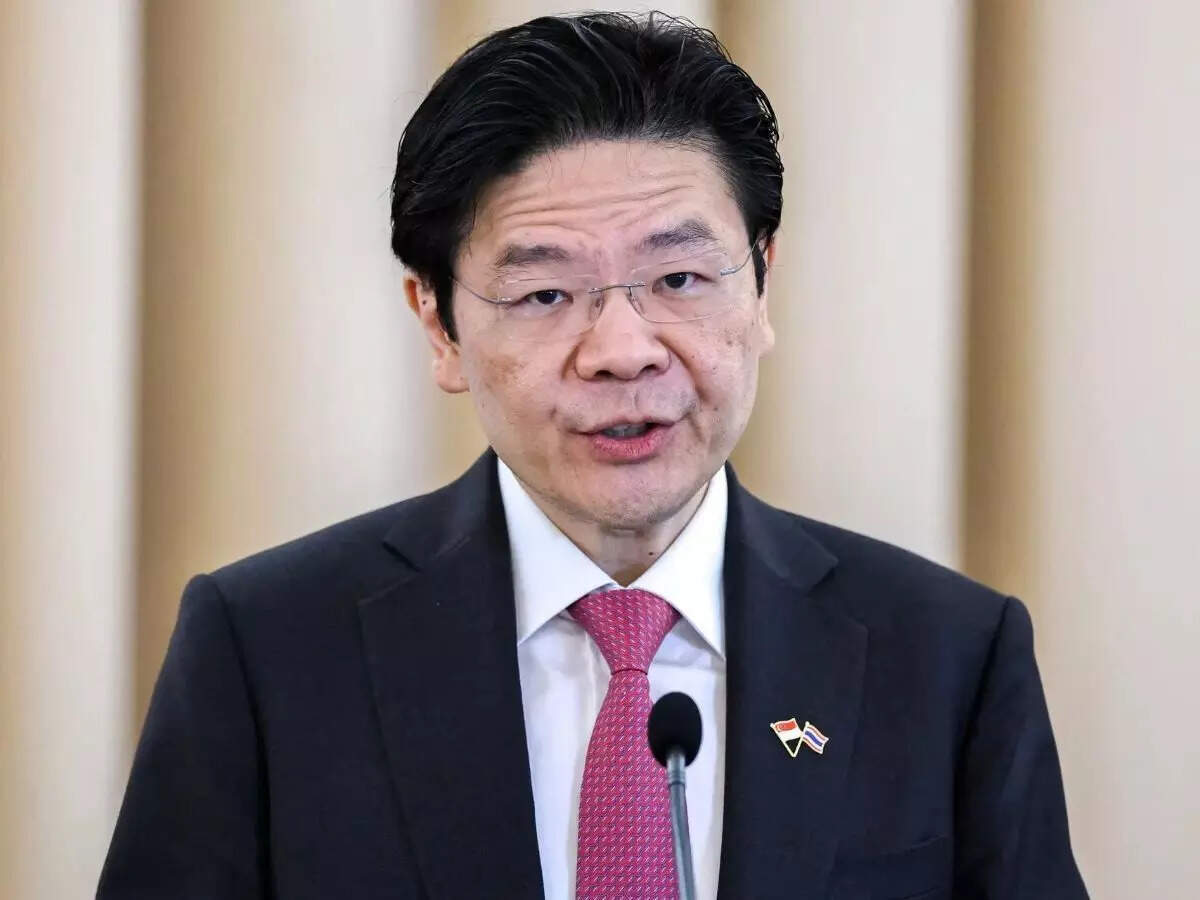
Singapore Prime Minister Lawrence Wong recently met with India’s top business leaders, exploring avenues to fortify bilateral economic ties. The discussions, held on February 14, 2025, centered around skills training, digital economy, and sustainable development. With S$407 million earmarked for collaborative projects, the meeting signaled both nations’ commitment to deeper integration in the global economy. As the world watches these two powerhouses converge, the stakes—and the opportunities—are higher than ever.
On February 14, 2025, Singapore PM Lawrence Wong met with a high-profile delegation from the Confederation of Indian Industry (CII), led by Tata Sons’ Executive Chairman, N. Chandrasekaran. The meetings covered various economic themes, including digital innovation, skills development, and sustainability. The visit commemorated 60 years of India-Singapore diplomatic relations and outlined actionable steps for future cooperation.
A Legacy of Partnership: The Historical Context
India and Singapore have shared robust economic relations for decades. Since CII opened its Singapore office in 1992, bilateral trade has grown consistently. The India-Singapore Comprehensive Economic Cooperation Agreement (CECA) laid the groundwork for increased collaboration, and today, digital and sustainable projects are taking center stage.
PM Wong’s engagement with Indian business leaders highlights this legacy while setting the stage for its evolution. As N. Chandrasekaran noted, “India’s rapid digital transformation aligns with Singapore’s Smart Nation vision, presenting unprecedented collaborative potential.”
The Talent Bridge: Skills Development and Internships
One of the key outcomes of the meeting was the reaffirmation of the India Ready Talent Programme. This initiative, jointly run by CII and Enterprise Singapore, facilitates internships for Singaporean students in Indian industries. The programme addresses a critical need: bridging the talent gap in fast-growing sectors like artificial intelligence, fintech, and logistics.
“Talent development is crucial for sustaining economic growth,” said Wong. “By learning from each other’s strengths, we can create a workforce equipped for the digital age.”
The internships are expected to expand in 2025, with hundreds of Singaporean students gaining hands-on experience in India’s tech-driven market. This exchange enriches students’ skills and fosters cross-cultural understanding—a soft power asset for future business collaborations.
Digital Economy: The New Frontier
The digital economy remains the partnership’s focal point. Singapore, a global hub for fintech and logistics, sees India as a natural partner in developing AI applications and digital payment systems. India’s Unified Payments Interface (UPI) has already gained international recognition, and Singapore’s PayNow system presents integration opportunities.
“Singapore and India can set global benchmarks in secure, efficient digital transactions,” said Minister for Transport Chee Hong Tat. “We aim to co-develop systems that benefit not just our nations, but the broader ASEAN region.”
Ongoing projects include AI-driven logistics platforms to streamline cross-border trade. The potential is vast: with India’s projected digital economy reaching US$1 trillion by 2030, Singaporean investors are positioning themselves early.
Sustainable Development: Green Goals Aligned
Sustainability topped the agenda as both nations reiterated their commitment to green growth. Joint ventures in renewable energy, especially solar power, are already underway. Singapore’s expertise in urban planning complements India’s ambitious renewable energy targets.
CII announced new projects focusing on industrial parks designed with eco-friendly technologies. For instance, solar-powered logistics hubs are being planned in Maharashtra with Singaporean investments.
“Green growth is the only sustainable growth,” said Minister for Manpower Dr. Tan See Leng. “Collaborative efforts here will create scalable models for other developing economies.”
Regional Integration: A Model for Asia
The meeting underscored the strategic significance of the India-Singapore relationship for wider Asian economic integration. As co-founders of the Regional Comprehensive Economic Partnership (RCEP), both nations are positioned as gateways between South and Southeast Asia.
“The lessons we learn from this collaboration will shape regional trade norms,” said Singapore Foreign Minister Vivian Balakrishnan. “We want Asia to remain competitive and inclusive.”
With India’s G20 presidency driving global south engagement and Singapore’s continued leadership in ASEAN, the partnership is expected to influence policy frameworks on digital trade and sustainability across the region.
The discussions between PM Lawrence Wong and India Inc leaders mark more than diplomatic gestures—they represent concrete steps toward a shared economic future. The focus on talent development, digital economy, and sustainability reflects a pragmatic vision for 21st-century growth.
India and Singapore are crafting a narrative of partnership rooted in mutual growth and regional stability. As the global economy evolves, this collaboration could very well set the template for similar cross-border synergies. For investors, entrepreneurs, and policymakers alike, the message is clear: Asia’s next growth chapter is being written in the meeting rooms of Singapore and New Delhi.
Sources: Social News XYZ (2025), CFO (2025)
Keywords: Singapore India Collaboration, Economic Ties Strengthened, Lawrence Wong India Meeting, CII Partnership, Global Trade Expansion


