


Discover the environmental and economic implications of Singapore’s recent oil spill near Sentosa. A call for accountability and strengthened maritime safety protocols.
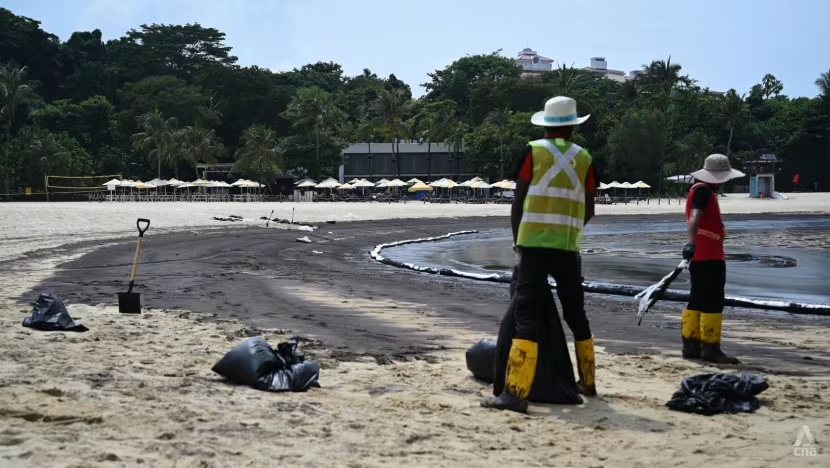
On February 5, 2025, a seemingly routine day in Singapore took a dark turn when approximately 23 tonnes of diesel oil leaked from a damaged fuel hose at the Police Coast Guard’s Brani Regional Base, near the iconic Sentosa Island.
A Troubling Pattern

This incident is not an isolated one. Since June 2024, Singapore has witnessed at least five oil spills contaminating its waters. The frequency of these spills raises pressing questions about the nation’s maritime safety protocols and environmental safeguards.
Environmental Impact: The Unseen Damage
While authorities have reported no visible oil slicks and assured the public that the leak has been contained, the true environmental impact remains uncertain. Diesel oil, even in small quantities, can have devastating effects on marine ecosystems. It can suffocate marine life, damage coral reefs, and disrupt the food chain. The long-term consequences of repeated spills could be catastrophic for Singapore’s rich marine biodiversity.
Accountability and Transparency: A Public Demand
The recurring nature of these incidents demands accountability. How are these spills happening with such alarming regularity? Are there lapses in safety protocols, or is there a deeper systemic issue at play? The public deserves transparency. Detailed investigations should be conducted, and the findings must be shared openly. Without accountability, trust in the authorities’ ability to protect the environment erodes.
The Economic Cost: Beyond the Cleanup

Beyond the environmental toll, there’s an economic cost to consider. Singapore’s reputation as a global maritime hub is at stake. Frequent oil spills can deter international shipping companies concerned about potential delays and environmental liabilities. Moreover, the tourism sector, especially attractions like Sentosa, could suffer as visitors shy away from polluted beaches and waters.
A Call to Action: Strengthening Safeguards
It’s evident that current measures are insufficient. Singapore must bolster its maritime safety protocols. This includes regular maintenance and inspection of equipment, comprehensive training for personnel, and the implementation of advanced monitoring systems to detect leaks promptly. Additionally, there should be stricter penalties for negligence to deter complacency.
Public Engagement: A Collective Responsibility
Environmental conservation is a collective responsibility. The public should be educated about the impacts of oil spills and encouraged to participate in conservation efforts. Community-driven initiatives can play a pivotal role in safeguarding our natural resources.
A Turning Point
The February 5 spill should serve as a wake-up call. It’s a stark reminder that complacency can have dire consequences. Singapore has long prided itself on its efficiency and forward-thinking approach. It’s time to apply that same ethos to environmental protection. The nation must act decisively to prevent future spills, protect its marine ecosystems, and uphold its reputation on the global stage.
Sources:
[1] The Straits Times
[2] Bangkok Post
[3] Business Today
[4] The Online Citizen
[5] Bloomberg


