


Improved detection, treatment advances, and public health measures drive better cancer survival outcomes
Cancer diagnoses are becoming more common in Singapore, yet fewer people are dying from the disease. New national data points to a significant shift in outcomes, reflecting how medical innovation and public health strategies are reshaping cancer care across the country.
Falling Death Rates Despite More Diagnoses
Cancer death rates in Singapore have dropped by 21 percent since 2012, according to the Singapore Cancer Registry Annual Report 2023 published in January 2026 by the National Registry of Diseases Office. Between 2019 and 2023, there were 72 cancer deaths per 100,000 people, down from 91 between 2008 and 2012, even as new cancer diagnoses rose by about 10 percent over the same periods.
Survival Rates Continue to Improve
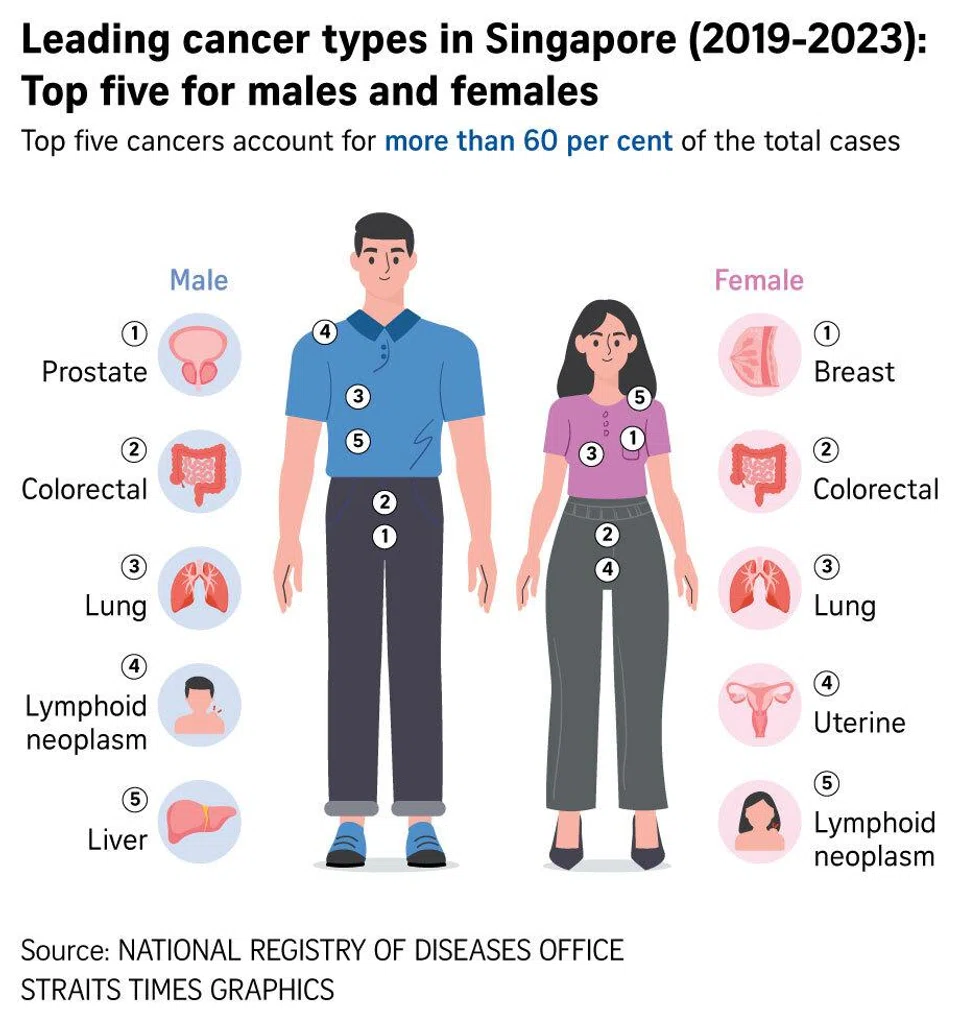
The five-year cancer survival rate increased from 53 percent to 61 percent, reflecting better outcomes across many cancer types. During 2019 to 2023, prostate cancer was the most commonly diagnosed cancer among men, while breast cancer led among women. Lung, colorectal, and liver cancers remained the top causes of cancer deaths in men, with breast, colorectal, and lung cancers leading among women.
Medical Advances Driving Better Outcomes
National Cancer Centre Singapore medical oncology division deputy chairman Dr Tham Chee Kian attributed the decline in deaths to improvements in screening, diagnosis, and treatment. Earlier detection through enhanced screening programs has allowed cancers to be treated at more manageable stages, aligning Singapore with trends seen in other developed countries.
Modern Therapies and Precision Medicine
Dr Gloria Chan from the National University Cancer Institute, Singapore, highlighted the impact of modern chemotherapy, targeted therapy, and immunotherapy in controlling even late-stage cancers. Precision medicine and molecular profiling now enable doctors to tailor treatments more accurately, while advances in surgery, radiotherapy, and supportive care have reduced treatment-related complications.
Aging Population and Rising Case Numbers
While outcomes are improving, Singapore continues to see more cancer cases as its population ages. Cancer risk increases with age, but experts caution that younger people should remain vigilant. The Straits Times reported on January 26 that cancer diagnoses among those under 40 rose by 34 percent between 2019 and 2023 compared with 2003 to 2007.
Younger Patients and Long-Term Challenges
Doctors are increasingly focused on understanding why more young adults are affected by cancer. Beyond treatment, long-term survivorship issues such as fertility, mental health, career disruption, and financial strain are becoming key considerations. Public health measures, including reduced smoking rates and vaccinations like HPV and hepatitis B, are expected to deliver further benefits over time.
Singapore’s experience shows how sustained investment in healthcare, research, and prevention can reduce cancer deaths even as diagnoses rise. The progress offers valuable lessons for both Indonesia and Singapore, highlighting the importance of early detection, equitable access to treatment, and long-term survivorship planning as cancer increasingly becomes a manageable chronic disease rather than a fatal one.
Sources: Straits Times (2026) , NUH SG (2026)
Keywords: Singapore Cancer Statistics, Cancer Survival Rates, Oncology Treatment, Early Detection, Public Health


