


Rival princes, state intervention, and tradition collide at Central Java’s historic palace
A centuries old royal institution in Central Java has become the stage for a modern power struggle, where tradition, family rivalry, and government oversight intersect in full public view.
Tensions Erupt at Keraton Surakarta
The Surakarta Palace in Solo was thrown into turmoil on Jan 18 after rival factions within the royal family clashed during a visit by Culture Minister Fadli Zon. His visit was meant to formalize a ministerial decree appointing Prince Tedjowulan as caretaker of the palace and overseer of state funded heritage preservation efforts. Instead, the event escalated into a physical standoff as supporters of two rival princes forced open palace gates, prompting police intervention.
A Kingdom Without a King
The conflict follows the death of Pakubuwono XIII in November 2025 after two decades on the throne. Since then, his two sons from different wives have both claimed the right to succeed him. Prince Purbaya, the younger son, was formally named crown prince in 2022 and is backed by arguments rooted in his mother’s status as queen consort. His supporters argue this designation carries decisive weight under Javanese tradition.
Birthright Versus Ritual Authority
Prince Hangabehi, the elder son, disputes that claim, asserting that birth order grants him stronger legitimacy. Backed by the palace’s customary council, the Lembaga Dewan Adat, his faction controls access to ceremonial halls and daily palace operations. Meanwhile, Prince Purbaya has conducted royal rituals, sworn oaths before palace attendants, and led ceremonial processions through Solo, actions his supporters say demonstrate real authority under Javanese custom.
Government Steps In to Contain the Fallout
Concerned about the growing public dispute, Vice President Gibran Rakabuming Raka met both princes and Prince Tedjowulan on Jan 16 in an effort to cool tensions. Analysts say the government’s priority is not choosing a king, but ensuring continuity in palace management. Since being declared a national cultural heritage site in 2017, Keraton Surakarta has received public funding that requires clear administrative accountability.
Old Rivalries, New Stakes
The current dispute echoes past palace conflicts. In 2004, Prince Tedjowulan clashed with the late king over succession, leading to years of institutional paralysis. A 2012 settlement brokered by then Solo mayor Joko Widodo reinstated stability by confirming the king and positioning Prince Tedjowulan as chief minister. Princess Moeng later formed the Lembaga Dewan Adat to limit his authority, setting the stage for today’s fractured power structure.
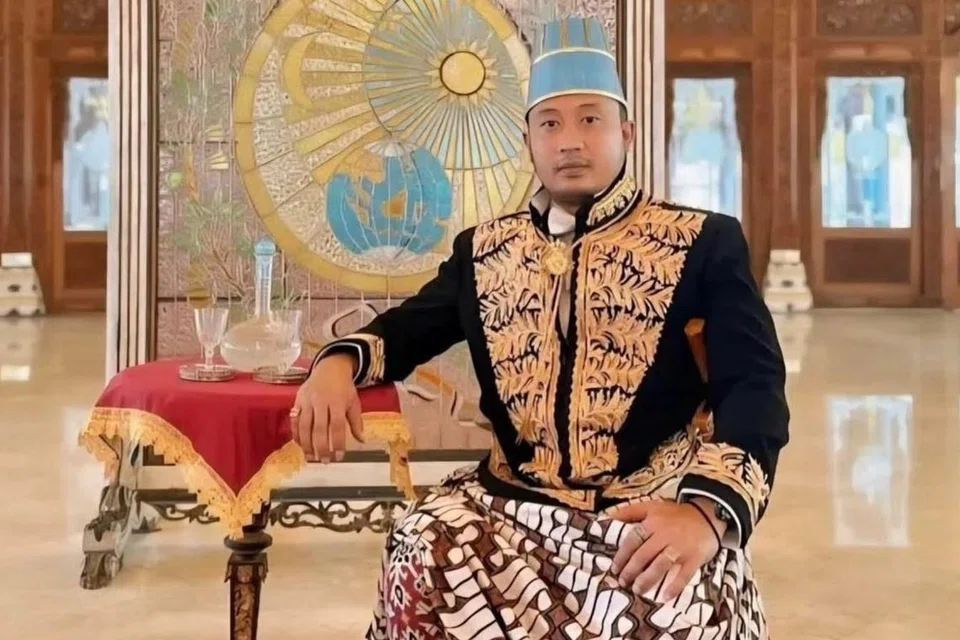
Cultural Authority Still Matters
Despite lacking political power, the Solo Palace remains a vital symbol of Javanese identity. Sociologist Sunyoto Usman of Gadjah Mada University notes that royal legitimacy continues to function as a cultural anchor for the Javanese people. Political analyst Wasisto Raharjo Jati of Indonesia’s National Research and Innovation Agency warns that prolonged conflict could weaken the palace’s ability to serve as a guardian of cultural stability.
The unresolved rivalry at the Solo Palace reflects broader tensions between tradition and modern governance in Indonesia. While the government seeks administrative clarity to protect cultural heritage, the question of legitimate kingship remains unanswered. The outcome will shape how Javanese identity is preserved and perceived, with implications that resonate beyond Central Java, including among Indonesians and Singaporeans who share deep historical and cultural ties to the region.
Sources: Straits Times (2026) , The Star (2026)
Keywords: Solo Palace, Keraton Surakarta, Javanese Royal Family, Prince Purbaya, Prince Hangabehi, Indonesian Culture


