


Online extremism, gaming platforms, and early warning failures expose growing youth terrorism risks
Singapore’s counterterrorism authorities are confronting a troubling reality as extremist ideologies increasingly reach younger audiences online, raising urgent questions about digital exposure, family awareness, and early intervention.
Teenage Radicalisation Detected Early
A 14 year old Singaporean Secondary 3 student was issued a Restriction Order under the Internal Security Act in November 2025 after authorities discovered his deep online radicalisation by ISIS ideology. The Internal Security Department revealed on January 28 that the boy had been consuming extremist content since early 2023, when he was just 12. This marks the third 14 year old dealt with under the ISA in the past two years for terrorism related activities.
Algorithm Driven Extremism Exposure
The boy’s radicalisation began after watching ISIS combat footage from Al Fallujah, Iraq. As he searched for related material, social media algorithms increasingly fed him pro ISIS content. He eventually spent up to nine hours daily on extremist platforms and websites, pledging allegiance to ISIS and considering himself a member within a year, according to ISD.
Violent Ideology Reinforced Through Gaming
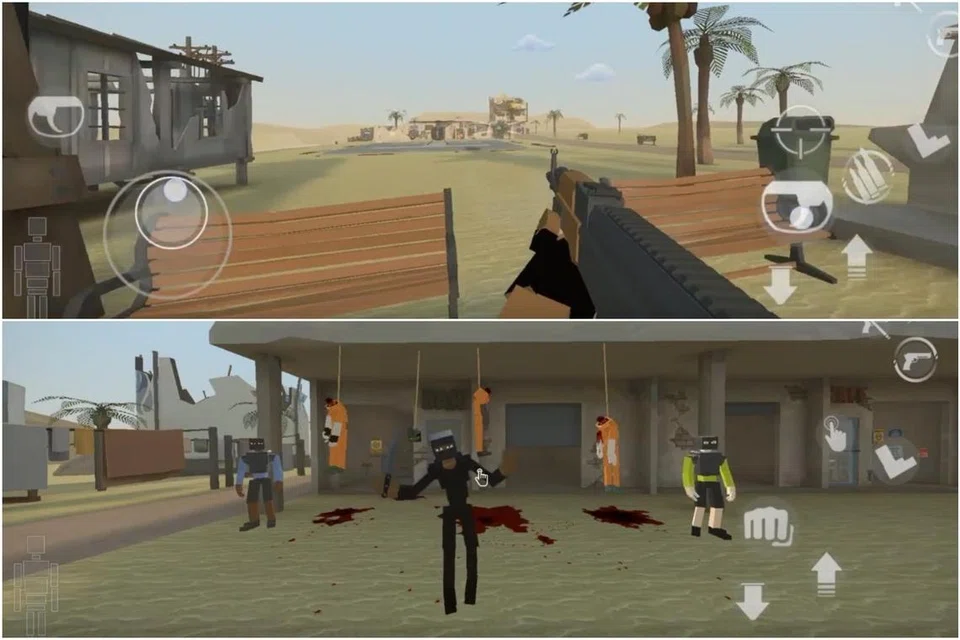
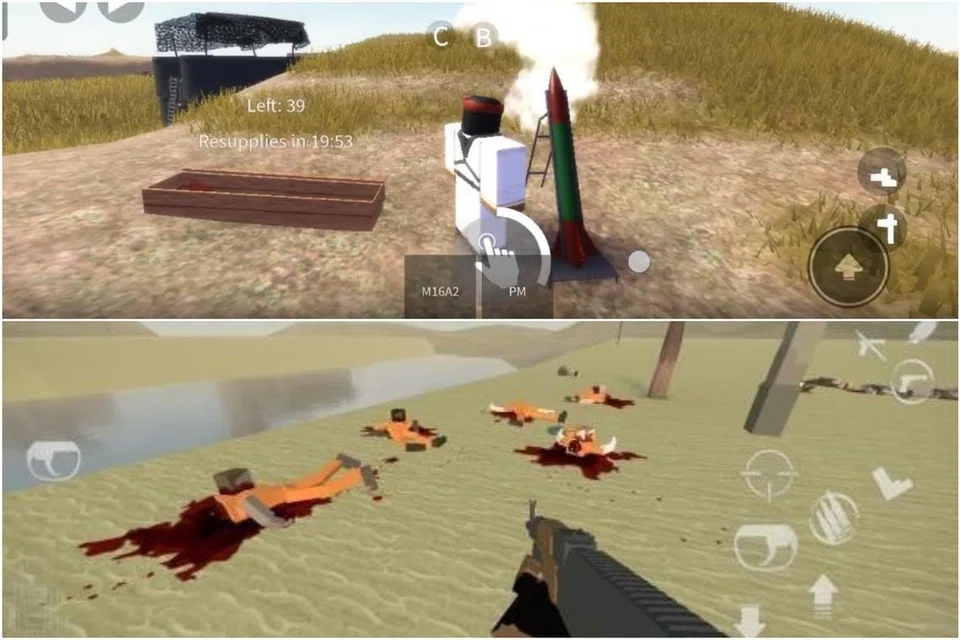
Authorities noted a disturbing overlap between online gaming and extremist propaganda. The teen used Roblox and Gorebox to create pro ISIS videos, simulating executions, suicide bombings, sniper attacks, and military assaults. He role played as an ISIS fighter using a toy AK 47 at home, practising combat scenarios for hours daily in preparation for future attacks abroad.
Aspirations For Overseas Attacks
Although too young to act immediately, the boy planned to travel in about 10 years to conflict zones including Syria, Iraq, Afghanistan, parts of Africa, or Bali in Indonesia to fight and die as a martyr. In February 2024, he drafted a mock attack plan targeting a Bali nightclub after learning about the 2002 Bali bombings through an online documentary. ISD confirmed he did not advance these plans further.
Extremism And Targeted Hatred
The boy’s exposure to ISIS content intensified his hostility toward the LGBTQ community. After viewing material related to the 2016 Orlando nightclub mass shooting, he believed LGBTQ individuals should be killed and briefly entertained thoughts of participating in similar attacks in Singapore, though no concrete plans were formed. ISD stressed that early detection prevented potential escalation.
Family Awareness And Missed Intervention
Despite being aware of his extremist views, family members and schoolmates failed to alert authorities. ISD emphasized that most youth radicalisation cases show early warning signs, such as open support for terrorist groups and fascination with violence. Since 2020, nine self radicalised Singaporeans linked to ISIS have been handled under the ISA, eight of them aged 20 or younger.
Broader ISA Developments In 2025
ISD also provided updates on other ISA cases, including the December 2025 release of an 18 year old previously detained at age 15 for supporting ISIS and Al Qaeda. In 2025 alone, five individuals were dealt with under the ISA, ranging from teens influenced by Islamist and far right extremism to adults seeking to join overseas conflicts. Several long standing restriction orders were allowed to lapse after assessments found no ongoing security threat.
The latest case underscores how online ecosystems, gaming platforms, and delayed reporting can accelerate youth radicalisation across borders. For Indonesia and Singapore alike, the implications stretch beyond security enforcement to digital literacy, parental vigilance, and regional cooperation in countering extremist narratives before they translate into real world violence.
Sources: Straits Times (2026) , Mothership (2026)
Keywords: ISIS Radicalisation, Youth Terrorism Singapore, Internal Security Act, Online Extremism, Counterterrorism


