


AI-powered robotic assistant brings rehabilitation beyond hospitals into Singapore’s neighborhoods
What once seemed impossible for stroke survivors is becoming achievable again as artificial intelligence reshapes senior care and mobility support in Singapore.
Restoring Movement After Stroke
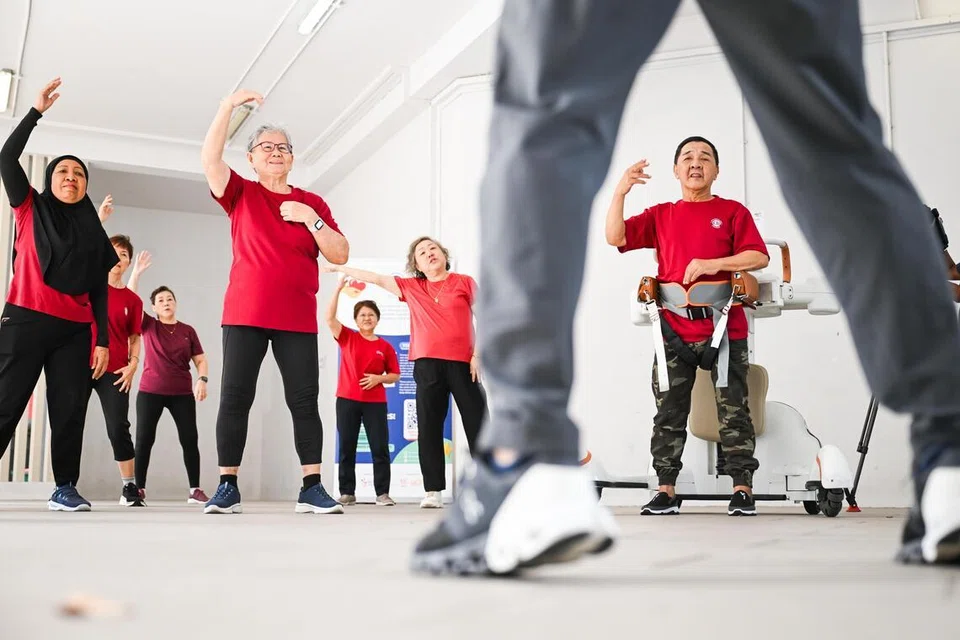
For retiree Leow Cher Hwa, standing independently during a Zumba class was unthinkable after a stroke in August 2022 left him unable to control his arms and legs. The 66-year-old struggled with depression during the first two months of recovery, facing both physical and emotional challenges common among stroke survivors.
AI Robotics Enter Community Care
Mr Leow’s progress accelerated after he was selected in August 2025 for a trial of the Data-driven Robotic Balance Assistant, or DRBA. Developed by Nanyang Technological University, the wearable robot uses AI algorithms to analyze range of motion and balance in real time, automatically adjusting support while users stand and move.
Inspired by a Personal Loss
Associate Professor Ang Wei Tech from NTU’s School of Mechanical and Aerospace Engineering created the robot after witnessing his mother’s fear of walking following a fall in 2013. Despite medical advice, she avoided movement due to fear of reinjury, inspiring Prof Ang to develop technology that restores confidence without compromising autonomy.
Addressing a Growing Aging Challenge
Falls remain one of the leading causes of injury-related hospitalizations among seniors in Singapore. A 2022 report published in the Annals of the Academy of Medicine found that 28 to 35 percent of adults over 65 experienced falls, rising to about 50 percent among those over 80. With Singapore’s rapidly aging population, preventive solutions are becoming increasingly critical.
From Hospitals to Neighborhoods
DRBA evolved from an earlier patented device known as the Mobile Robotic Balance Assistant, developed in 2022 with Tan Tock Seng Hospital. While the earlier model included a wheelchair function for home use, DRBA is optimized for institutions, featuring additional sensors that provide detailed user analytics for caregivers and community partners.
Successful Trials in Tampines
The patented DRBA was deployed to Lions Befrienders’ active ageing centres in Tampines for trials in August 2025. Seniors used the device during Zumba sessions and group exercises, demonstrating improved balance and renewed confidence. The results were presented to Tampines GRC MP Dr Charlene Chen on Jan 21, highlighting the robot’s role in safe, inclusive community activities.
Regulatory Progress and Future Plans
DRBA has already been classified as a Class II medical device by China’s National Medical Products Administration, indicating moderate risk. Approval from Singapore’s Health Sciences Authority is expected by June. Lions Befrienders executive director Karen Wee noted that the technology helps seniors stay active while improving overall quality of life.
AI-driven rehabilitation tools like DRBA signal a shift toward community-based healthcare solutions that prioritize independence, safety, and dignity. For Indonesians and Singaporeans alike, the innovation demonstrates how smart health technology can address aging challenges across urban societies, reduce hospital reliance, and improve long-term well-being as populations grow older.
Sources: Straits Times (2026) , NTU (2026)
Keywords: AI Wearable Robot, Senior Fall Prevention, Active Aging Centres, NTU Research, Rehabilitation Technology


