


From brain resilience to shared living, Singapore reshapes how seniors age with dignity
Singapore’s rapid shift into a super-aged society is forcing a fundamental rethink of how ageing is understood and supported, not as decline, but as a phase of continued resilience, purpose, and contribution.
Rethinking Ageing Beyond Decline
By 2030, one in four Singaporeans will be aged 65 and above, a demographic milestone often framed as a looming crisis. Concerns typically focus on healthcare strain, workforce shrinkage, and family burdens. Yet this narrative misses a critical reality: ageing does not automatically equate to cognitive or emotional decline.
The Ageing Brain and Mental Resilience
Modern neuroscience has moved beyond the outdated idea that mental health hinges solely on chemical imbalances. Research on neuroplasticity shows that the brain remains adaptable throughout life. Older adults can continue learning, rewiring neural pathways, forming relationships, and recovering from adversity, provided the right social and environmental conditions exist.
Embracing Ageing Differences and Neurodiversity
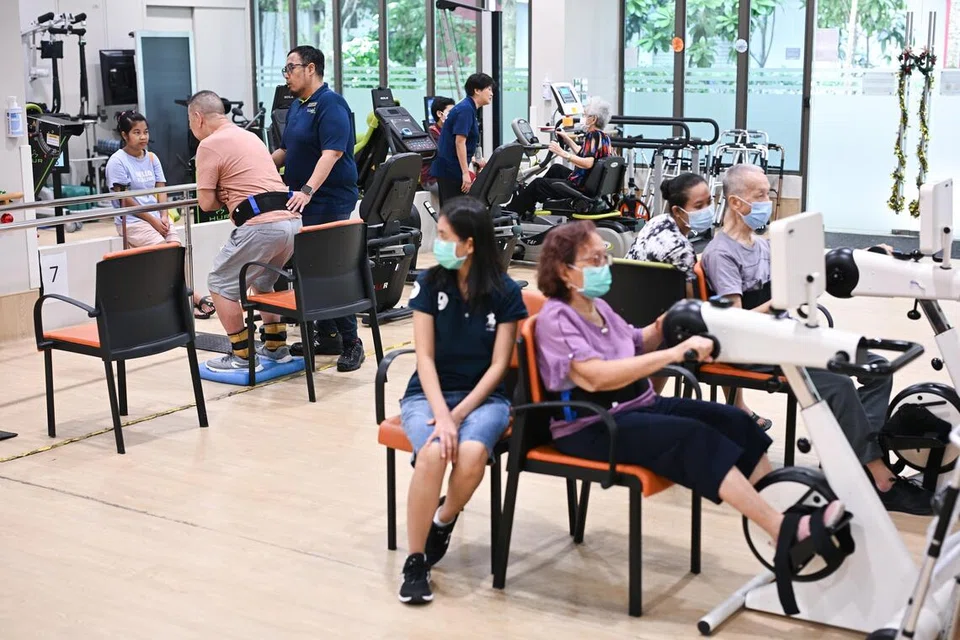
Ageing also magnifies natural differences in how brains function. While some seniors face dementia, anxiety, or depression, others demonstrate strengths such as emotional regulation, perspective, and wisdom. Reframing “cognitive decline” as “ageing differences” mirrors the broader neurodiversity movement, encouraging accommodation rather than stigma.
Designing Communities That Slow the Pace
This mindset shift calls for environments that work with ageing, not against it. Clearer signage, flexible workplace policies, and more patient interactions can significantly improve daily life for seniors. Slowing the pace of public spaces and systems allows older adults to thrive without being pressured to keep up with unrealistic standards.
New Community-Centered Care Models
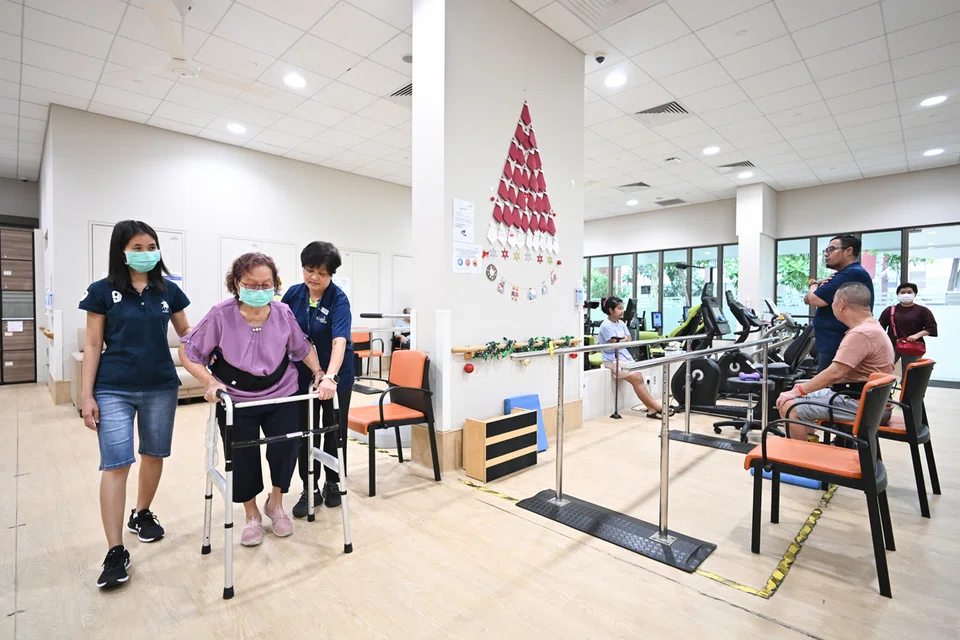
Reflecting this philosophy, Singapore is prioritizing ageing in the community over institutional care. On Dec 10, the Government approved a shared stay-in senior caregiving model, allowing several seniors to live together with support for meals, housekeeping, daily tasks, and social activities. This offers a middle ground between independent living and nursing homes.
Expanding Assisted Living and Integrated Care
The Ministry of Health is also strengthening assisted living options, including community care apartments and small-group shared homes in HDB flats, private residences, and purpose-built developments. A sandbox initiative launched in 2023 involved five operators and served 232 seniors by September 2025. To improve continuity of care, a Health Information Bill will be tabled in Parliament in January to enable data sharing across healthcare and community providers.
Meaning, Purpose, and Social Prescribing
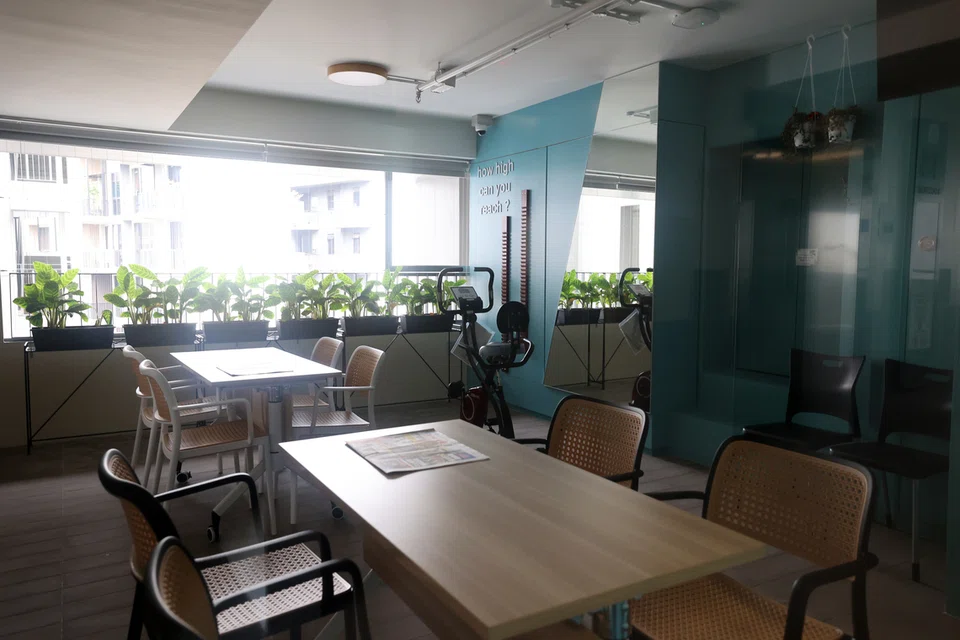
Healthy ageing extends beyond physical care. Research shows that purpose, relationships, and meaning are essential to mental well-being. Social prescribing, where healthcare providers recommend community activities such as choirs, gardening, volunteering, or arts programs, has been shown to reduce loneliness, improve mood, and even lower healthcare utilization.
As Singapore confronts the realities of a super-aged society, its evolving approach offers lessons for both Indonesians and Singaporeans navigating similar demographic shifts. By pairing neuroscience-informed perspectives with flexible community-based care, the city-state is redefining ageing as a stage of dignity, participation, and continued growth rather than inevitable decline.
Sources: Straits Times (2025) , Straits Times 2 (2025)
Keywords: Singapore Seniors, Healthy Ageing, Assisted Living, Community Care, Mental Well Being


