


A groundbreaking study reveals that toxic algal blooms may be causing dolphin Alzheimer’s—offering a terrifying glimpse into humanity’s own neurological future.
A 2025 study on stranded Florida dolphins revealed severe Alzheimer’s-like brain damage, including beta-amyloid plaques and tau tangles, directly linked to high concentrations of the cyanobacterial neurotoxin 2,4-DAB. This toxin, produced by toxic algal blooms fueled by climate change and nutrient pollution, biomagnifies up the marine food chain. Researchers, including Dr. David Davis and Dr. Paul Alan Cox, warn that dolphins are a sentinel species, and their brain pathology signals a critical, escalating risk of environmentally-triggered neurodegenerative disease for humans, especially in coastal areas like Miami-Dade County, which has the highest Alzheimer’s prevalence in the U.S. The crisis demands urgent global action to curb pollution and protect both marine and human cognitive health.
The Ocean’s Tragic Warning
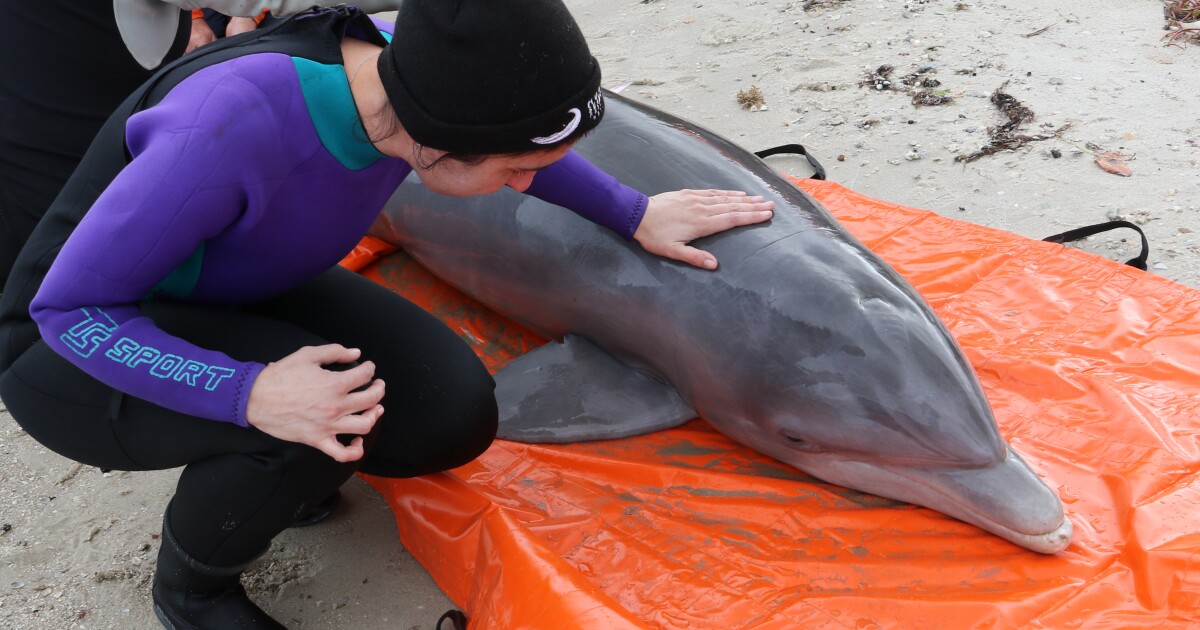
The sight of a dolphin, one of the ocean’s most intelligent and charismatic creatures, stranded helplessly on a beach is a profound tragedy. For decades, these mysterious strandings puzzled marine biologists—often dismissed as natural, if heartbreaking, phenomena. But a chilling scientific revelation has transformed this ecological mystery into a human health alarm.

Research published in Communications Biology in late 2025 has revealed that the brains of stranded bottlenose dolphins (Tursiops truncatus) are riddled with the unmistakable hallmarks of Alzheimer’s disease. This “dolphin Alzheimer’s” crisis is no coincidence—it is the direct consequence of a polluted, overheating planet. The culprit: microscopic killers known as toxic algal blooms. These blooms produce neurotoxins now proliferating across the world’s oceans and climbing the global food chain, bringing a brain-wasting crisis from the depths of the sea perilously close to our dinner plates.
The Unmasking of a Silent Killer
Scientists have long known that dolphins can experience age-related brain changes. Yet the recent Florida study shattered any notion of a slow, natural decline. The twenty dolphins examined—stranded between 2010 and 2019 in Florida’s Indian River Lagoon—showed not just mild degeneration, but full-blown Alzheimer’s-like pathology.
Researchers led by Wendy Noke Durden of Hubbs-SeaWorld Research Institute, with neurotoxicologists Dr. David Davis of the University of Miami Miller School of Medicine and Dr. Paul Alan Cox of Brain Chemistry Labs, found the classic beta-amyloid plaques and hyperphosphorylated tau tangles characteristic of human Alzheimer’s. Even more alarming, they detected TDP-43 protein inclusions, a marker of the most aggressive and rapidly advancing forms of neurodegeneration.

The smoking gun was a potent cyanobacterial neurotoxin: 2,4-Diaminobutyric acid (2,4-DAB), a chemical cousin of the infamous β-N-methylamino-L-alanine (BMAA). In dolphins stranded during peak algal bloom seasons, concentrations of 2,4-DAB were up to 2,900 times higher than in those stranded outside those periods. The evidence is irrefutable—these toxic tides are corroding dolphin brains in the same way Alzheimer’s destroys human cognition.
The Toxic Tide: Pollution’s Role in Dolphin Alzheimer’s
This escalating oceanic crisis is a direct indictment of human behavior. The cyanobacteria producing these neurotoxins flourish in warm, nutrient-rich waters—conditions now fueled by climate change and nutrient pollution. As global temperatures rise, marine ecosystems heat up, creating ideal conditions for Harmful Algal Blooms (HABs) to spread and persist.
Meanwhile, agricultural runoff and untreated sewage, laden with nitrogen and phosphorus, act as super-fertilizer for these blooms. In Florida’s Indian River Lagoon, the controlled release of contaminated waters from Lake Okeechobee has intensified this ecological disaster. The result is not just fish kills or murky beaches—it is the creation of a neurochemical weapon that moves invisibly through the marine food web, now attacking the most intelligent species of the sea.
The Deadly Ascent of the Neurotoxin Food Chain
The true horror of dolphin Alzheimer’s lies in biomagnification—the process by which toxins accumulate in higher concentrations as they move up the food chain. Microscopic algae are consumed by small fish and shellfish, which are then eaten by larger predators. Dolphins, as apex predators, become the tragic endpoints of this toxic accumulation.

According to Dr. Larry Brand, a co-author of the study, these toxins are known to biomagnify, meaning that humans who share the same coastal waters and seafood sources are also at risk. If dolphins—long regarded as sentinel species—are suffering from Alzheimer’s-like brain disease, then humans may be next in line. The question is no longer if we are being exposed, but how much and at what cost to our collective brain health.
The Human Echo: From Guam to Miami
This is not the first time cyanobacterial toxins have been linked to neurodegenerative diseases. Decades of research on the Chamorro people of Guam revealed that their high incidence of an Alzheimer’s-like illness was tied to consuming flying foxes that fed on cycad seeds containing BMAA-producing cyanobacteria.
Dr. Paul Alan Cox, who first established this link, warns that these same toxins are now circulating through modern marine ecosystems. The parallels are deeply unsettling. Dr. David Davis further notes that in 2024, Miami-Dade County recorded the highest prevalence of Alzheimer’s disease in the United States. While correlation does not prove causation, the overlap between toxic marine environments and human Alzheimer’s hotspots is impossible to ignore.
Dolphins are more than victims—they are messengers. Their suffering reveals what we may already be doing to ourselves.
The Economic and Moral Cost of Environmental Neglect
The implications extend far beyond biology. Alzheimer’s disease already costs the United States over USD 360 billion (approximately SGD 493 billion) in 2024, and the number is expected to soar as populations age. If environmental toxins like BMAA and 2,4-DAB are proven contributors, then continued inaction becomes morally indefensible.
Cleaning up nutrient pollution, enforcing stricter agricultural runoff controls, and mitigating climate change may seem costly—but those investments pale compared to the economic devastation and human suffering caused by a global neurodegenerative crisis. “Although there are likely many paths to Alzheimer’s disease,” Dr. Davis warns, “cyanobacterial exposures increasingly appear to be a risk factor.”
We stand at a crossroads: protect our oceans and minds—or let both deteriorate together.
From the Dolphins to Us
The discovery of Alzheimer’s-like brain damage in stranded dolphins is not just a scientific revelation—it is a planetary red flag. For coastal nations across Southeast Asia, where populations depend heavily on seafood and tourism, the stakes could not be higher. The warm, nutrient-dense waters of the South China Sea, Gulf of Thailand, and Indonesian archipelago are already prime breeding grounds for harmful algal blooms.
If these toxins infiltrate regional seafood supplies, the health, economy, and reputation of coastal communities could collapse overnight. A single high-profile neurotoxin-linked illness could devastate public confidence and tourism across the region. Governments must act urgently: enforce stricter regulations on nutrient pollution, invest in advanced ocean monitoring, and launch public awareness campaigns about seafood safety during bloom seasons.
Yet amid this grim outlook, hope emerges through grassroots efforts. Initiatives like Tanjung Uma Empowerment Program (TUEP) in Batam, which enhances education, fosters economic growth, and promotes environmental sustainability, exemplify how local communities can lead change from the shore up. Similarly, Livingseas Foundation in Bali is rebuilding marine ecosystems through conservation and community engagement, ensuring that the ocean’s recovery begins with those who depend on it most.
Protecting marine life from toxic algal blooms is not just an environmental necessity—it is a cognitive imperative. The dolphins are sounding the alarm. The question now is whether we are listening.
Explore more stories on environmental health, sustainability, and ocean intelligence at our homepage.
Sources:
[1] Dolphins may be getting Alzheimer’s from toxic ocean blooms
[2] Brains of Stranded Dolphins Showed Signs of Alzheimer’s Disease
[3] Beached Dolphins Show Alzheimer’s-Like Brain Damage
[4] Florida Dolphins Show Alzheimer’s-Like Brain Changes Linked to Toxic Algal Blooms
[5] New research shows Alzheimer’s-like brain changes in dolphins linked to toxic algae blooms
Keywords: Dolphin Alzheimer’s, Dolphin Alzheimer’s toxic algae, Toxic blooms marine pollution, Alzheimer’s disease ocean connection, Climate change neurotoxin risk, Marine pollution human health, Harmful algal blooms impact, Cyanobacterial toxins brain damage, Dolphin Alzheimer’s research findings, Global warming ocean crisis, Neurotoxin food chain contamination, Alzheimer’s risk coastal communities, Environmental toxins brain health, Marine ecosystems toxic exposure, Ocean neurotoxins Alzheimer’s link, Climate pollution dementia risk


