


The landmark agreement marks a major step in sustainable maritime cooperation and deepens bilateral ties between the two nations.
Singapore and China have taken a bold step toward a sustainable maritime future by launching a national green and digital shipping corridor, aimed at decarbonising and digitalising trade routes between the two countries. The move underscores a shared commitment to environmental responsibility, innovation, and deepened bilateral cooperation.
Strengthening Maritime and Economic Ties
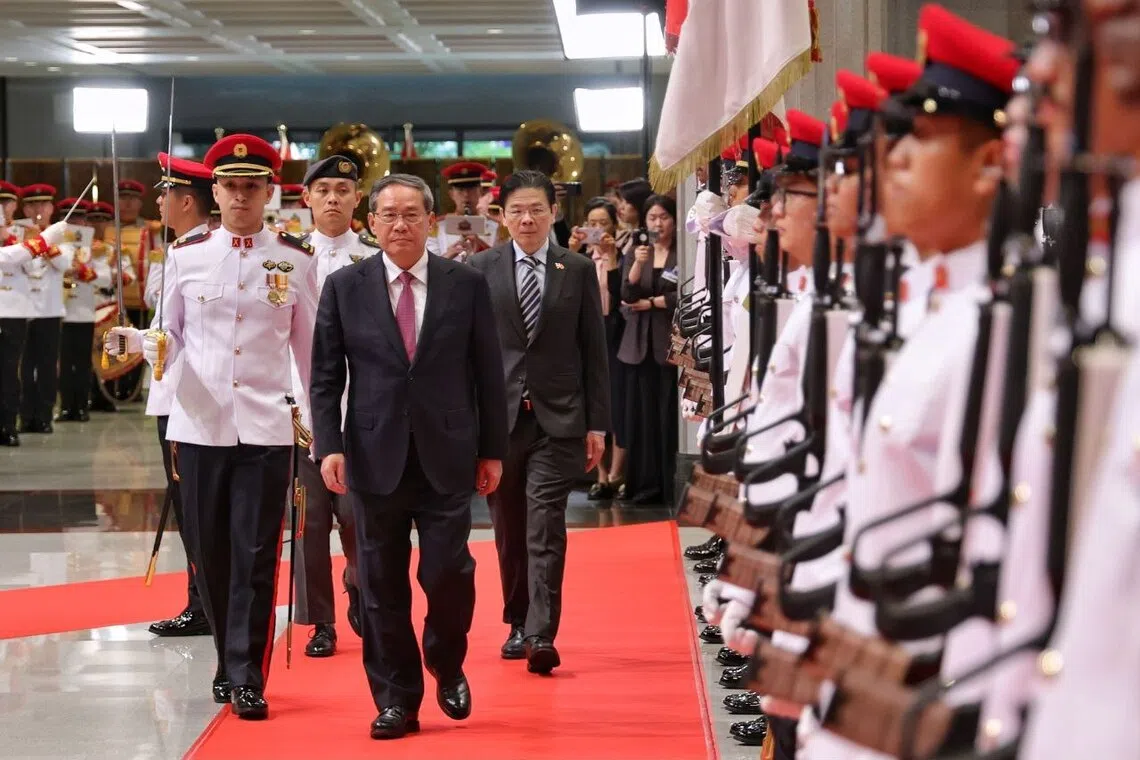
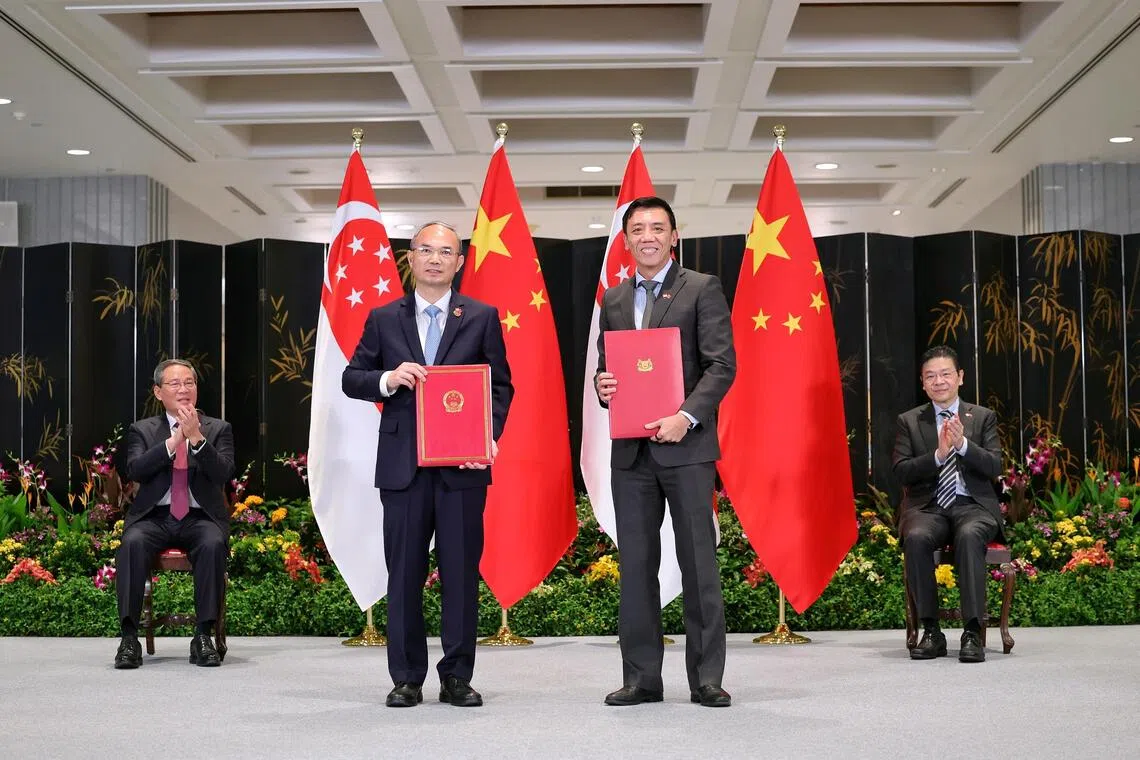
The memorandum of understanding (MOU) to establish the Singapore-China Green and Digital Shipping Corridor was among eight agreements exchanged on October 25, 2025, during Chinese Premier Li Qiang’s official visit to Singapore — the first by a Chinese Premier in seven years.
Premier Li, hosted by Prime Minister Lawrence Wong, reaffirmed China’s intention to deepen cooperation with Singapore. “Pragmatic cooperation will better serve the modernisation of our two countries and contribute to regional peace and stability,” he said. PM Wong echoed these sentiments, stressing both nations’ shared commitment to “upholding free trade and the rules-based multilateral order.”
Building a Greener Maritime Future
Signed by Acting Transport Minister Jeffrey Siow and China’s Transport Minister Liu Wei on October 19, the shipping corridor aims to accelerate decarbonisation, improve port efficiency, and enhance digital infrastructure. It builds upon existing pilot projects with Tianjin and Shandong, where Singapore has been testing digital logistics solutions and alternative marine fuels.
Under the agreement, both countries will collaborate with maritime stakeholders to develop standards and technologies supporting sustainable trade. Singapore’s maritime expertise and China’s industrial scale make the partnership a formidable force in driving green transformation across global supply chains.
Expanding the Network of Green Corridors
Singapore currently participates in six international green and digital shipping corridors — including with Los Angeles, Long Beach, Rotterdam, Japan, Australia, and most recently India. The new national-level corridor with China elevates these partnerships, connecting two of the world’s largest trading hubs through cleaner, smarter maritime routes.
China remains Singapore’s largest goods trading partner, accounting for S$170 billion in bilateral trade in 2024, a 1.8 percent increase from the previous year. Six of the world’s ten busiest container ports are located in China, highlighting the potential impact of this collaboration on global shipping emissions.
Cooperation Beyond the Seas
Beyond maritime initiatives, Singapore and China signed several other MOUs covering green development, digital trade, emergency management, and capacity-building across ASEAN. A key highlight was an agreement to create a training programme for government officials from ASEAN countries and Timor-Leste, focusing on clean energy, urban sustainability, and climate resilience.
The programme supports the long-planned ASEAN Power Grid, recently energised by a US$10 billion investment and a new subsea electricity cable connecting Indonesia and Singapore — a testament to Southeast Asia’s growing commitment to shared energy security.
Innovation, Investment, and Future Partnerships
The visit also saw the renewal of MOUs on food safety and ICT cooperation, alongside new efforts to promote carbon trading, low-carbon hydrogen, and carbon capture technologies. A final MOU enhanced Singapore’s launchpad partnership with Suzhou Industrial Park, establishing new business cooperation centres in Southeast Asia to facilitate two-way trade and investment between China and the region.
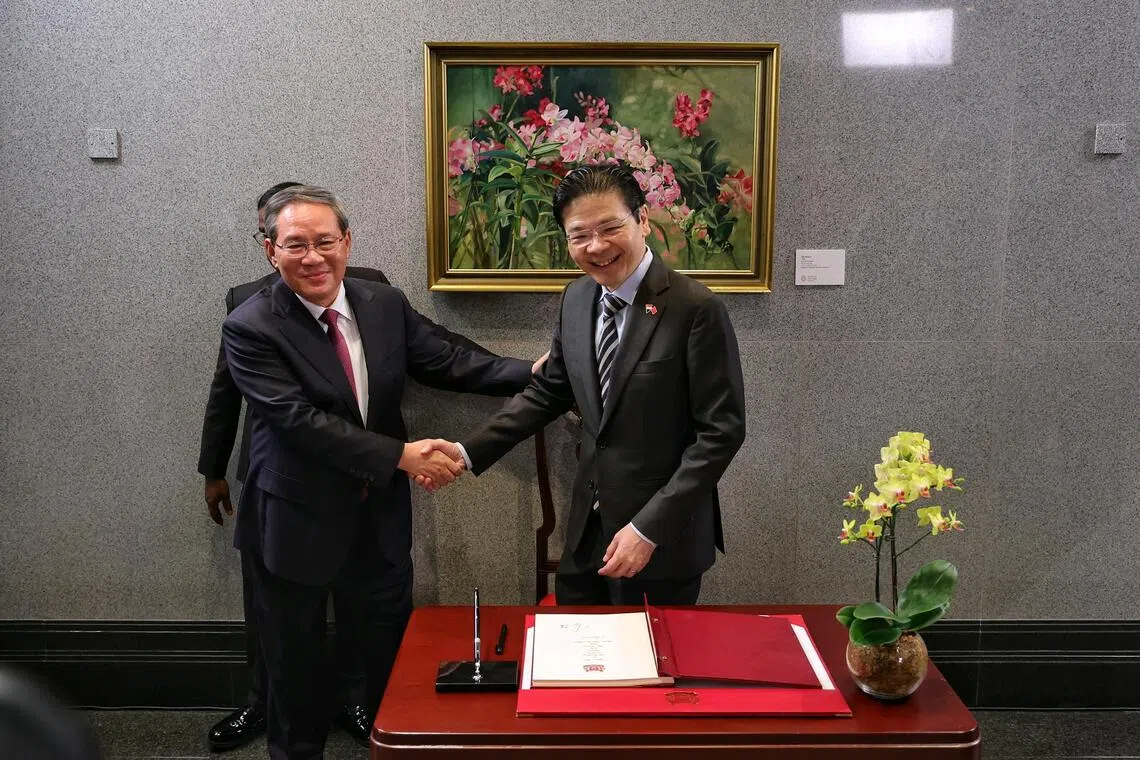
In a statement marking 35 years of diplomatic ties, Premier Li hailed Singapore-China relations as “a fine example of mutual learning and mutual benefit.” The upgrade of relations in 2023 to an “all-round high-quality future-oriented partnership” reflects both nations’ shared vision for regional stability and innovation-driven growth.
The launch of the Singapore-China Green and Digital Shipping Corridor represents more than just a maritime initiative — it embodies a shared commitment to a sustainable, interconnected future. As both nations advance toward greener trade and digital transformation, the partnership stands as a blueprint for how global cooperation can balance progress, prosperity, and environmental responsibility.
Sources: AsiaOne (2025) , The Business Times (2025)
Keywords: Singapore China Trade, Green Shipping Corridor, Maritime Sustainability, Digital Ports, Bilateral Agreements, ASEAN Cooperation


