


China and Vietnam lead travel growth as Changi expands routes across Asia and boosts freight
Singapore’s Changi Airport continued its strong post-pandemic recovery in the third quarter of 2025, recording steady growth in both passenger and cargo traffic driven by rising demand from China, Vietnam, and Indonesia.
Steady Passenger Growth Across Asia
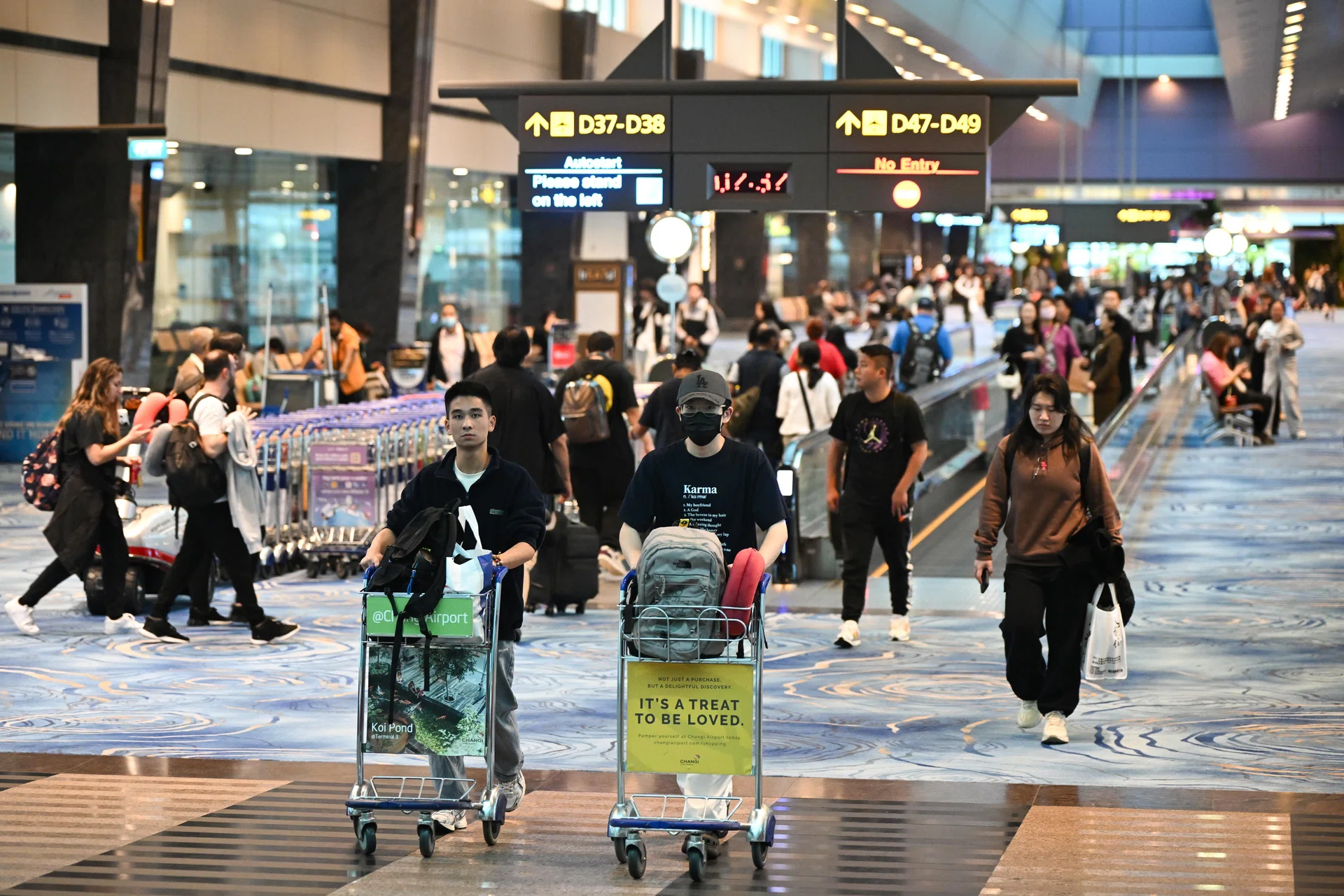
Changi Airport handled 17.3 million passenger movements in the third quarter of 2025, marking a 3.1% increase from the same period last year, according to data released by Changi Airport Group (CAG) on Oct 22. Aircraft movements — including take-offs and landings — totaled 91,600, comparable to Q3 2024 levels.
The top five markets for the quarter were China, Indonesia, Malaysia, Australia, and India. Among them, China and Vietnam stood out with growth rates of 9.7% and 11.3% respectively. Changi’s busiest city links remained Kuala Lumpur, Jakarta, Bangkok, Denpasar, and Shanghai, with the Singapore–Jakarta route showing double-digit growth.
Expanding Airline Network
The quarter also saw new airlines and expanded routes reinforcing Changi’s position as a leading regional hub. Indonesian carrier Pelita Air began operations from Jakarta on Aug 11, replacing Jetstar Asia, which ceased operations on Jul 31.
From September, Hainan Airlines introduced four-times-weekly Singapore–Haikou–Changchun services, while Loong Air launched three-times-weekly flights to Zhangjiajie in October. These additions expanded Changi’s network to 35 Chinese cities.
Meanwhile, Batik Air Malaysia, part of the Lion Group, announced new daily services to Ipoh, Penang, and Subang, starting December. The airline group will also move to Terminal 4 from Nov 11.
Scoot Strengthens Regional Connectivity
Singapore-based carrier Scoot announced plans to expand its footprint in Indonesia with new routes to Labuan Bajo, Medan, Palembang, and Semarang. The latter two cities mark entirely new connections for Changi Airport.
Flights to these destinations will begin progressively between December 2025 and February 2026, reinforcing Changi’s growing network across Southeast Asia.

Freight Momentum Despite Global Challenges
Despite global trade uncertainties, Changi Airport registered a 3.7% increase in air freight throughput, totaling 531,000 tonnes in Q3 2025. Growth was seen across all cargo categories, with imports rising by 10% compared to the previous year.
The airport’s top cargo markets were China, the United States, Australia, Hong Kong, and India. JD Airlines also began thrice-weekly freighter services between Singapore and Shenzhen, improving logistics options for shippers and freight forwarders in the region.

Positive Outlook For Year-End Travel
According to CAG’s executive vice president for air hub and cargo development, Lim Ching Kiat, the airport’s strong Q3 results reflect “positive momentum in travel demand,” especially within Asia. “We are expanding our network with new airlines and destinations that further reinforce Changi’s connectivity to the region,” he said.
As of Oct 1, around 100 airlines operated over 7,000 weekly scheduled flights from Changi Airport, connecting Singapore to more than 160 cities worldwide. With expanded routes and rising passenger traffic, Changi is gearing up for a bustling year-end travel season.
The sustained growth at Changi Airport underlines Singapore’s recovery as a key air hub connecting Southeast Asia to global destinations. For travellers and businesses alike — including those in neighbouring Indonesia — the expansion promises greater connectivity, trade opportunities, and travel convenience across Asia’s fastest-growing markets.
Sources: The Business Times (2025) , AsiaOne (2025)
Keywords: Changi Airport, Singapore Airport, Passenger Traffic, Air Cargo, Airline Routes, Tourism Growth


