


A growing number of cashless-only outlets sparks inclusion concerns among older and younger Singaporeans.
As cashless-only stores continue to multiply across Singapore, not everyone is keeping up. While the city-state’s push toward a Smart Nation has made digital payments ubiquitous, some seniors, teenagers, and migrant workers are finding themselves left behind in a society that increasingly rejects cash.
Cashless-Only Stores on the Rise
Once dominated by “cash-only” counters, Singapore’s retail landscape has transformed dramatically since the pandemic. Hygiene concerns during COVID-19 and the Government’s Smart Nation drive have spurred a digital revolution in everyday transactions. Associate Professor Fu Fangjian from SMU’s Lee Kong Chian School of Business credited the success to the SMEs Go Digital programme, which provides grants, making it “easier and cheaper for merchants to go cashless.”
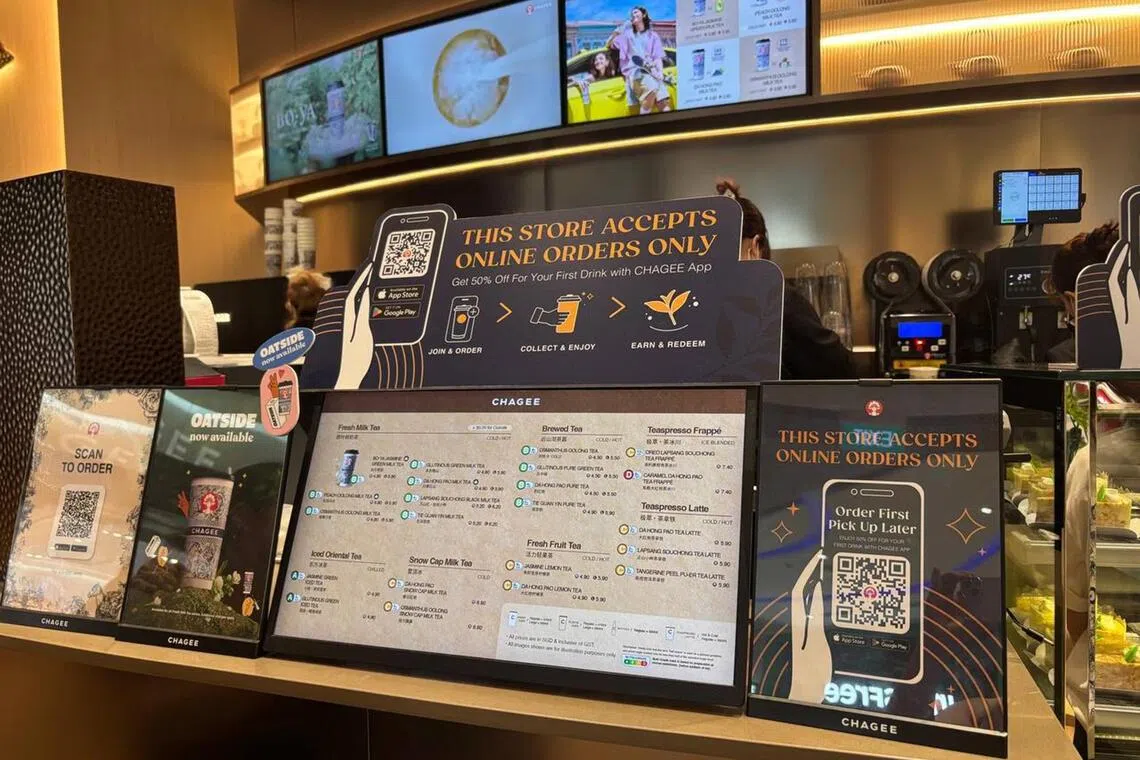
A recent survey by The Straits Times found that 14 out of 100 stores in major shopping districts like Bugis and Orchard have gone completely cashless. Popular food and beverage brands—such as Starbucks, Tiong Bahru Bakery, Chagee, Stuff’d, and Luckin Coffee—are leading the trend.
Businesses Embrace Speed and Efficiency
For merchants, cashless systems promise convenience and faster service. Jeremy Ma, head of operations at Chagee Singapore, explained that going fully digital “means shorter queues, quicker transactions, and fewer errors.” Tiong Bahru Bakery’s general manager, Matthew McLauchlan, added that removing cash “creates a more hygienic environment and reflects community preferences.”
Even smaller brands like Eat Pizza have embraced the change. Out of its eight outlets, only the one at Temasek Polytechnic still accepts cash to accommodate students who may not own payment cards.
Starbucks and the Selective Cashless Rollout
Starbucks Singapore, which operates about 130 outlets, has gone cashless in 38 locations—including Battery Road, Asia Square Tower, Biopolis, and Frasers Towers. A company spokesperson said decisions are based on customer profiles and transaction patterns, while outlets in tourist-heavy areas still accept cash for accessibility.
This selective approach reflects how businesses are balancing convenience with inclusivity—though the shift remains unevenly felt across age and income groups.
Those Left Behind in a Cashless Society
For students like 15-year-old Jiya Sharma, being unable to buy a drink at Starbucks because the outlet stopped accepting cash was both inconvenient and disheartening. Another student, Bazil Khair, 15, recalled missing a movie with friends for the same reason.
Older citizens face greater challenges. Madam Nisa Khalid, 66, said she felt “embarrassed” when a cashier rejected her cash payment, while 94-year-old Madam Khong Kwai Kuen said she would stop shopping altogether if stores stopped accepting cash. Migrant workers like 43-year-old domestic helper Dude Surya also struggle, often asking others in line for help because they lack bank cards.
The Push for Inclusion Amid Digital Progress
Experts note that Singapore’s digital payment ecosystem has become cheaper and more accessible for merchants, yet the social cost of exclusion is real. QR-code systems, though efficient, leave gaps for those without smartphones or banking access.
As the cashless transformation accelerates, the challenge for Singapore will be to balance innovation with empathy—ensuring that no one, young or old, is left out of its Smart Nation vision.
Singapore’s leap toward a cashless future showcases the nation’s efficiency and digital readiness, but also reveals a growing divide in financial accessibility. The experience serves as a reminder for both Singapore and neighboring countries like Indonesia—rapid digital progress must come hand in hand with inclusive solutions that keep every citizen connected to the economy.
Sources: AsiaOne (2025) , Straits Times (2025)
Keywords: Cashless Singapore, Digital Payment, Smart Nation, Financial Inclusion, Retail Transformation


