


Beijing launches new visa to attract global STEM professionals, but locals voice concerns.
China has officially rolled out its new “K visa” programme, designed to attract foreign science and technology professionals amid rising global competition for talent. While the initiative positions Beijing as a more open alternative to the United States, it has also ignited fierce debate at home over job security, immigration, and national identity.
A Policy to Compete with the US
Announced in August and launched on October 1, 2025, the K visa simplifies entry for young foreign professionals in science, technology, engineering, and mathematics (STEM). Unlike many other visa types, applicants do not need a Chinese employer to issue an invitation. Holders can engage in exchanges in education, culture, research, and entrepreneurial activities. State media described the programme as a timely move while other countries, particularly the US, “turn inward” on immigration.
Contrasting Washington’s Approach
The new policy stands in stark contrast to recent US visa reforms under President Donald Trump, which introduced a sudden US$100,000 fee for H-1B applications. H-1Bs have long been a lifeline for American tech firms seeking global expertise, with Indian nationals accounting for nearly three-quarters of recipients. China’s K visa has therefore been dubbed “China’s H-1B” by Indian media—though Beijing insists it is “not a simple work permit.”
Uncertainty and Ambiguity
Despite its launch, many details remain unclear. Authorities have stated that the visa targets graduates of top universities or researchers in STEM, but age limits, qualifying institutions, and specific work rights have not been confirmed. Even state media have avoided clarifying whether the visa directly grants employment rights in China. The foreign ministry said consulates abroad will release more details at a later date.
Public Backlash Inside China
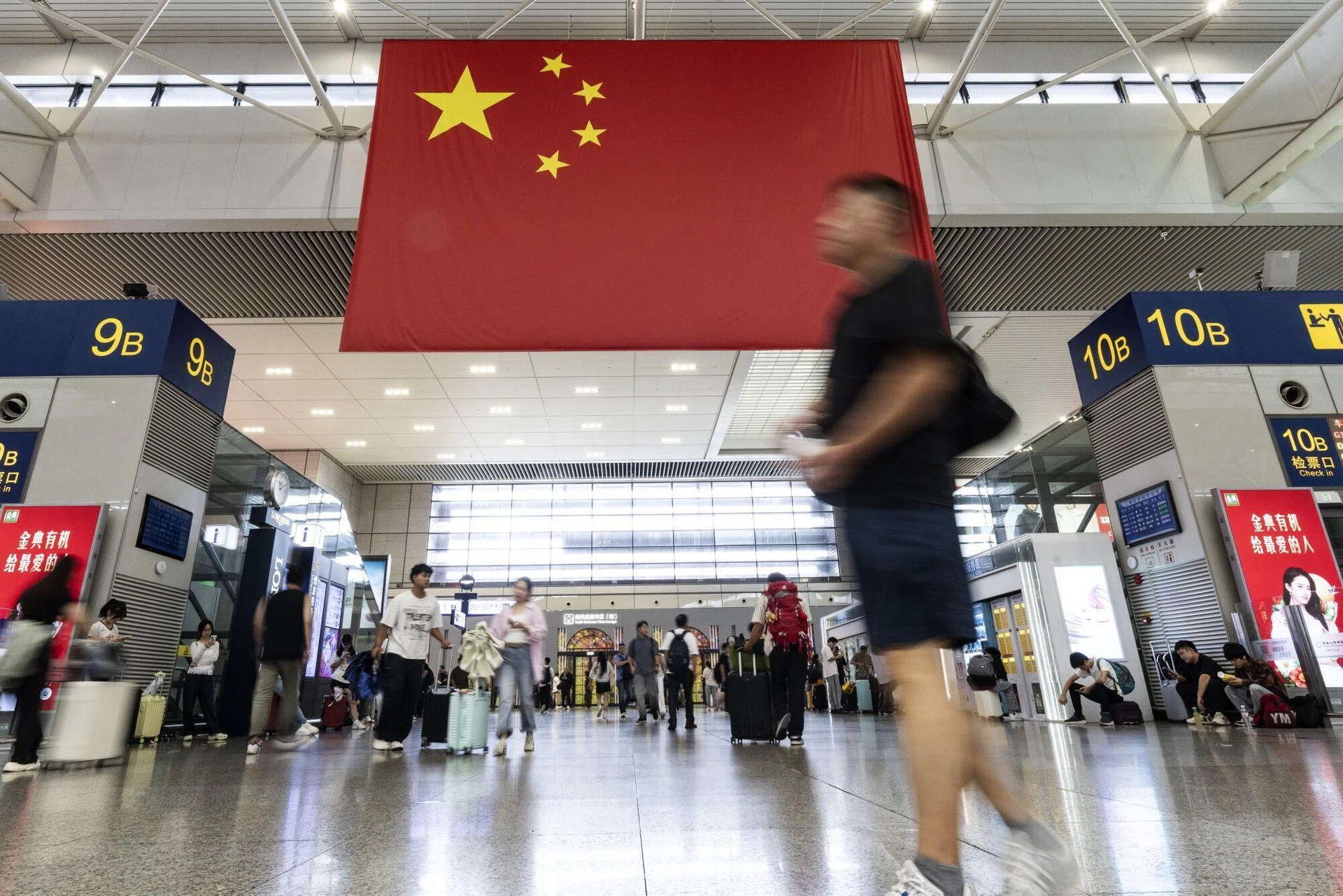
What began as a technical visa announcement quickly turned controversial once Indian media highlighted its parallels to the H-1B. On Chinese social media platforms like Weibo, tens of thousands of users criticized the policy. Many argued it would worsen domestic job competition at a time of high youth unemployment. Some comments turned xenophobic, particularly toward Indian nationals, prompting state outlets such as People’s Daily and Global Times to intervene with editorials defending the policy.
A Question of Adaptability
Experts warn that beyond public perception, structural challenges remain. Language barriers and China’s tightly controlled political climate could discourage foreign professionals from relocating. “Creativity and innovation flourish in open environments, but China’s trajectory is moving in the opposite direction,” said Stefanie Kam, assistant professor at Nanyang Technological University in Singapore. While some top academics have left US institutions for Chinese universities, most have been ethnic Chinese fluent in Mandarin.
Broader Ambitions, Lingering Limits
The K visa fits into China’s wider strategy to become a global hub for research, innovation, and entrepreneurship. It comes alongside visa exemptions for 75 countries and recruitment drives targeting high-profile scholars. Yet analysts say its success depends not only on regulatory design but also on domestic consensus-building. For now, the policy reveals both China’s global ambitions and the social tensions that accompany them.
China’s K visa underscores its determination to position itself as a magnet for global tech talent while Washington raises barriers. But the public backlash highlights the difficulty of reconciling international ambition with domestic unease. For Southeast Asia and beyond, the policy reflects how nations increasingly compete not only for resources but for the brightest minds in science and technology.
Sources: The Business Times (2025) , BBC (2025)
Keywords: China K Visa, Tech Talent, Foreign Professionals, STEM Visa, Immigration Policy, US H-1B


