


Just 15 minutes of brisk walking daily can reduce the risk of early death and improve heart health.
A new study reveals that walking quickly—even for just 15 minutes a day—can significantly reduce the risk of early death and improve cardiovascular health. The findings challenge long-held beliefs that only long, leisurely walks matter, especially for underserved communities.
Small Effort, Big Impact
A study cited by Science Focus on August 4 highlights the profound health benefits of brisk walking. Conducted on nearly 80,000 individuals, researchers found that walking quickly for just 15 minutes daily was linked to a 20% reduction in all-cause mortality. In contrast, slow walking for hours yielded minimal results. The study underscores how even short, moderate-intensity activities can outperform longer low-effort routines.
Heart Health Boost Through Intensity
Led by Dr. Wei Zheng and doctoral researcher Lili Liu at Vanderbilt University, the study emphasized intensity over duration. Brisk walking was found to improve heart efficiency and reduce cardiovascular risk factors such as obesity, high blood pressure, and cholesterol, even when controlling for diet, smoking, and alcohol intake.
A Public Health Lifeline for Underserved Communities
Unlike previous studies that mainly involved middle- to upper-income participants, this research tapped into the Southern Community Cohort Study (SCCS), which focuses on low-income individuals and Black communities. These groups often face environmental and systemic health barriers. Brisk walking, being cost-free and accessible, is an ideal public health intervention for such populations.
Beyond Walking: Lifestyle Context
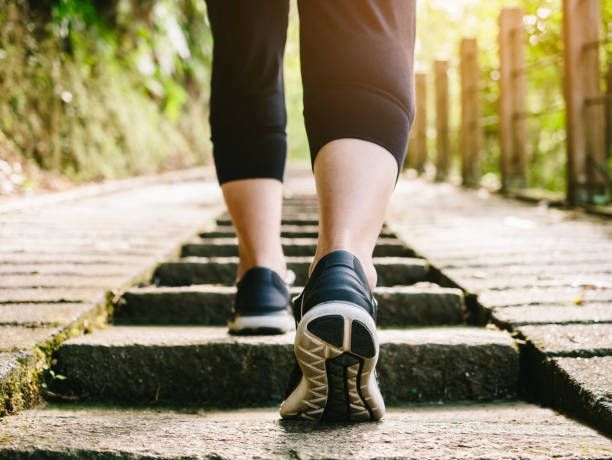
The SCCS study also examined lifestyle habits tied to mortality, such as smoking, alcohol consumption, inactivity, and poor diet. Despite these variables, brisk walking still stood out as a powerful, independent predictor of longevity. It proves that one small change in daily routine can override multiple adverse health patterns.
Accessibility and Action
Dr. Zheng urged governments and communities to promote brisk walking through inclusive public health programs, especially in areas lacking safe walking spaces. Urban planning and community outreach could transform brisk walking into a scalable, low-cost health solution with high impact, especially in Southeast Asia, where rapid urbanization often limits physical activity.
Closing the Life Expectancy Gap
These findings suggest that walking speed could be a crucial, overlooked metric in health screenings and public health planning. As Indonesia and Singapore face rising urban health concerns, promoting 15 minutes of fast walking could help bridge health inequality gaps and extend lives across socioeconomic lines.
Brisk walking is not just a fitness trend—it’s a proven, accessible method to lower the risk of early death and improve heart health. For many Indonesians and Singaporeans, especially those in lower-income or high-density communities, this simple daily habit could offer a lifeline to better health and longer life.
Sources: Batam Pos (2025) , Detikcom (2025)
Keywords: Brisk Walking, Heart Health, Early Death, Wei Zheng, Exercise Benefits, Public Health


