


Southeast Asians are ingesting record levels of microplastics, raising urgent health and environmental concerns.
Southeast Asians consume the most microplastics globally, with Indonesians ingesting up to 15g monthly. Discover the health risks, causes, and urgent solutions to Southeast Asia’s growing plastic pollution crisis.
Microplastics on the Menu
Milkfish, a beloved staple in Indonesia, now comes with an invisible side dish: microplastics. Recent studies reveal that 94% of fish sampled from Jakarta Bay contained microplastics in their gills and guts. These toxic fragments, less than five millimeters in size, infiltrate not just aquatic life but the entire food chain, ending up on dinner tables across Southeast Asia.
Southeast Asia: The World’s Top Microplastic Consumers

A 2024 Cornell University study found Indonesians consume more microplastics than any other population—about 15 grams per month, equivalent to swallowing three credit cards. Malaysians follow at 12 grams, with Filipinos and Vietnamese at 11 grams monthly. This alarming intake is mainly due to high seafood consumption and widespread plastic pollution. Six of the world’s top ten ocean plastic polluters are Southeast Asian nations, highlighting the region’s acute vulnerability.
From Landfill to Table: How Microplastics Invade Food
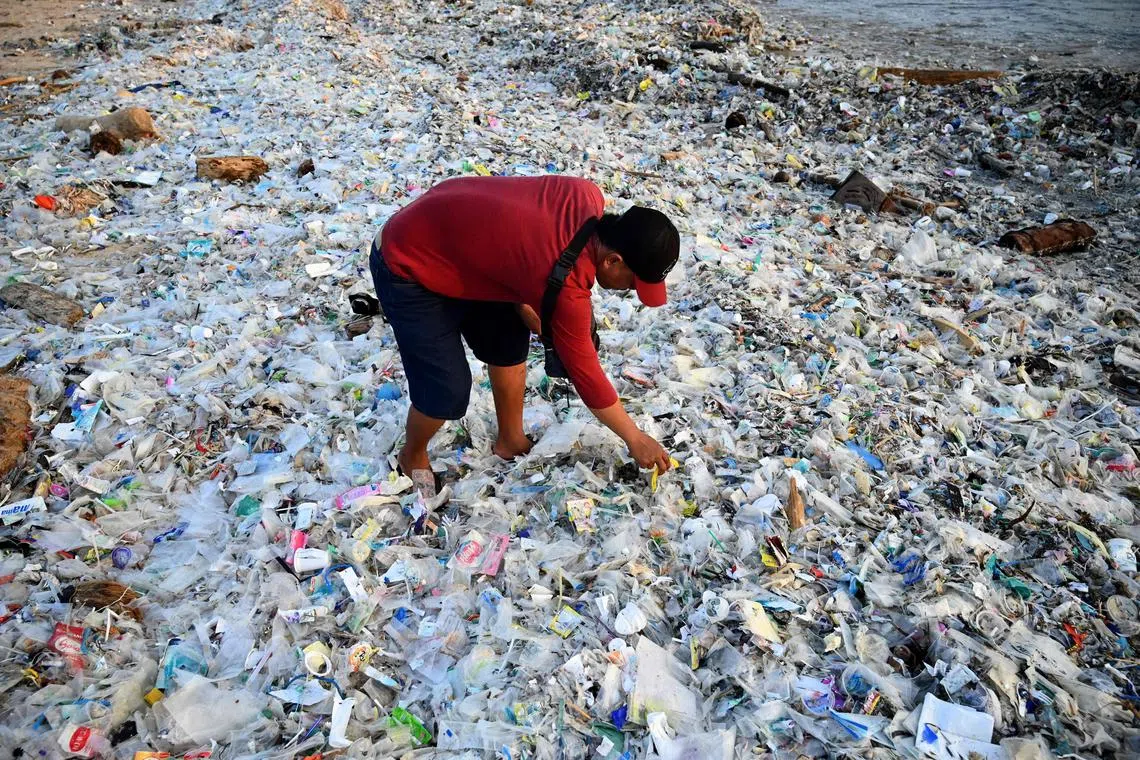
The journey of microplastics starts with everyday plastic waste—bottles, bags, and especially single-use sachets. In 2020, 855 billion sachets were sold globally, with half used in Southeast Asia. Poor waste management, open dumping, and inadequate recycling infrastructure mean much of this plastic ends up in rivers and oceans. In Indonesia, 68 rivers sampled in 2022 showed nearly universal contamination, while the Philippines lacks regulations for microplastic removal in water treatment.
Health Risks: More Than Just a Nuisance

Microplastics are not only an environmental threat but a growing health concern. Animal studies link microplastic ingestion to intestinal inflammation, gut microbiome disruption, and even cognitive decline. A 2023 study found nanoplastics can cross the blood-brain barrier, potentially increasing vulnerability to cognitive disorders by over 36 times for those with high exposure. Microplastics have also been detected in human blood, placenta, and arterial plaques, with affected patients facing a nearly fivefold higher risk of heart attack or stroke. Recent research even found microplastics in human testicular tissue, raising concerns about reproductive health.
Systemic Challenges: Socio-Economic Roots
The prevalence of single-use plastics is driven by affordability and convenience, especially for lower-income communities. In the Philippines, 164 million sachets are used daily, accounting for over half the country’s plastic footprint. Urban expansion has outpaced waste management, with many areas lacking bins or recycling facilities. Even collected waste can pose risks, as plastics in landfills degrade into microplastics that seep into soil and water.
Solutions: Policy, Innovation, and Behavior Change
Efforts to curb the crisis are underway. Indonesia has pledged to phase out single-use plastics by 2029, and local bans have already cut household plastic bag use by 42% in Jakarta. The Philippines’ “Trash to Cashback” program incentivizes recycling, while Singapore employs advanced water treatment to remove microplastics before water is discharged into the sea. Extended Producer Responsibility (EPR) laws and stricter waste management are being explored across the region, but experts warn that recycling alone is not enough—plastic can only be recycled two or three times before becoming landfill waste.
The microplastic crisis in Southeast Asia is both a public health and environmental emergency, with Indonesians and their neighbors facing the world’s highest exposure. Effective solutions require not just technical fixes but a fundamental shift in how plastics are produced, consumed, and managed. For Indonesians, Singaporeans, and the wider region, the stakes are clear: safeguarding health and the environment starts with rethinking our relationship with plastic.
Sources: CNA (2025) , Straits Times (2025)
Keywords: Microplastics, Indonesia, Malaysia, Philippines, Seafood, Plastic Waste, Health Risks


