


Singapore’s aviation sector soars with global rebound, regional demand, and future-ready investments
Changi Airport recorded its highest-ever annual passenger traffic of 68.4 million in the year ending March 2025, officially surpassing pre-pandemic levels and cementing Singapore’s aviation industry as a post-Covid growth engine.
According to Changi Airport Group, passenger traffic grew 9.5% year-on-year, driven by regional recovery and strong long-haul demand. Between January and March 2025 alone, the airport handled 17.2 million passenger movements, up 4.3% from the same period in 2024.
North America posted the highest growth at 15.8%, while China, Indonesia, Malaysia, Australia, and Thailand remained Singapore’s top five markets for the quarter. Notably, year-on-year traffic from China rose 10%, and from Japan, 16%.
Changi is now served by 100 airlines, operating over 7,200 weekly scheduled flights, connecting Singapore to about 170 cities across 49 countries.
Air Cargo and Workforce Growth
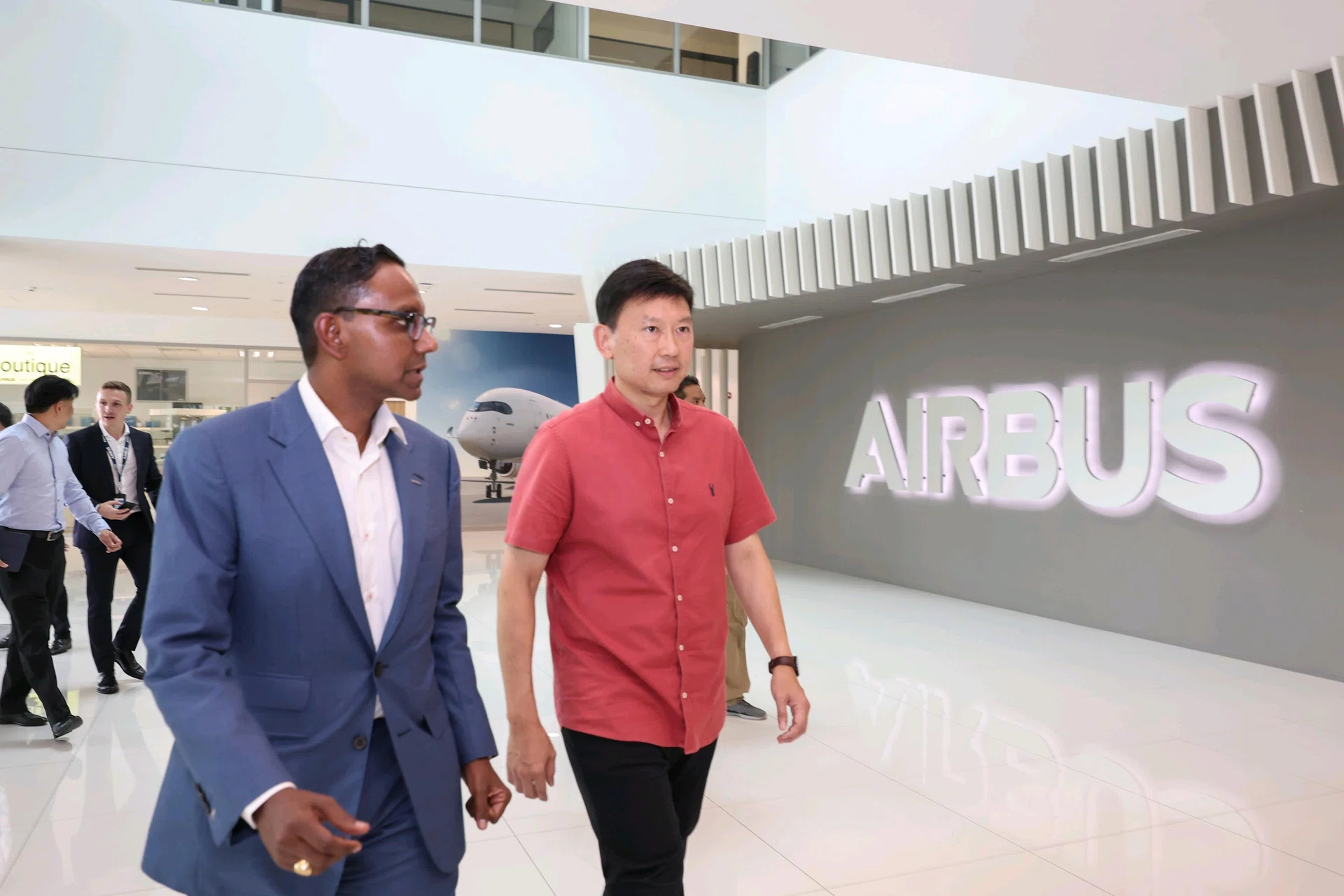
Beyond passenger numbers, air cargo throughput also hit 2 million tons, representing an 11% year-on-year increase, according to Transport Minister Chee Hong Tat. Speaking at the Airbus Singapore Campus on May 7, Chee described aviation as a “bright spot” in an uncertain global economy.
Singapore’s aviation workforce has also bounced back, with about 36,000 people currently employed across firms such as Singapore Airlines, SATS, and Changi Airport Group.
Chee emphasized that these companies are not only maintaining hiring momentum but are also looking to expand across commercial, ground, and flight operations roles.
S$1 Billion Aviation Fund for Innovation
Chee reiterated the government’s commitment to enhancing Singapore’s status as a leading air hub through a S$1 billion aviation fund announced during the 2025 Committee of Supply debates.
This fund targets connectivity, innovation, infrastructure, and manpower development, and will be developed in partnership with industry players like Airbus.
“We are now looking at how to further build on this momentum,” said Chee, who also co-chairs the Economic Resilience Taskforce with National Development Minister Desmond Lee.
He noted that aviation doesn’t operate in isolation—it supports and catalyzes other sectors, including finance, manufacturing, and professional services, both within Singapore and regionally.
Geopolitical Risks, But Structural Strength
While US tariffs and protectionist policies may dent global trade, analysts maintain that Singapore’s regional connectivity and policy stability offer an enduring advantage.
Chee said Singapore is adopting “no-regrets moves” like tech-driven productivity, job redesign, and cross-industry partnerships to ensure aviation remains resilient amid shifting global conditions.
Companies may reroute freight and passengers through strategic hubs like Singapore to avoid escalating geopolitical risks, including higher tariffs elsewhere.
Airbus Asia-Pacific President Anand Stanley echoed this sentiment, calling Singapore a “trusted regional hub” with “superior connectivity, workforce quality, and government support”.
Long-Term Confidence in Singapore’s Aviation Edge
Industry insiders consider Singapore as a critical link in the Asia-Pacific aviation chain, especially for maintenance, repair, and overhaul (MRO) services. With a six-hour flight radius reaching from India to Australia, Singapore is positioned to remain a priority service center in the region.
High quality-control standards and compliance with stringent aerospace regulations further give Singapore an edge, according to Stephen Chen, director at BIMC Aviation Consultancy.
Even as economic headwinds loom, the resilience and foresight behind Singapore’s aviation strategy offer a model for sustainable sectoral recovery—built not only on traffic volumes, but also on workforce, infrastructure, and long-term planning.
Singapore’s aviation sector is not only flying past pre-pandemic numbers but also laying robust foundations for regional leadership.
With strong growth in passengers, cargo, and workforce, and major investments underway, Changi Airport and the wider air hub continue to shine amid global turbulence.
Sources: Mothership (2025), The Business Times (2025)
Keywords: Changi Airport Record, Singapore Aviation Industry, Air Travel Growth, Asia Passenger Surge, Chee Hong Tat Statement, OneAviation System


