


Budget airline Scoot revives card processing fees, raising concerns about transparency and affordability in air travel.
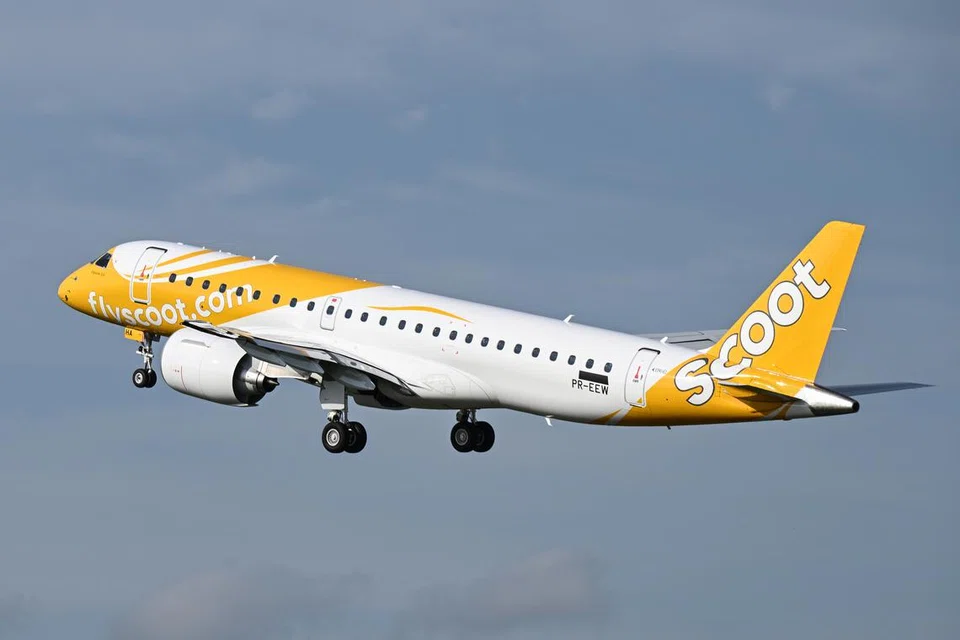
Singapore’s budget airline Scoot has reintroduced payment processing fees for flights departing from Singapore, sparking debate among travelers and industry analysts. The fees, which apply to credit and debit card transactions, range from 1.4% to 2.26% of the total booking cost, reversing a previous decision in 2019 to scrap such charges. While Scoot argues the fees are necessary to cover financial institution costs, critics see this as an unnecessary burden on passengers. With similar fees reinstated in Australia, Japan, Taiwan, and Thailand in 2024, the move raises questions about the transparency of airline pricing and the future of budget travel affordability.
The reinstatement of payment processing fees is part of a broader trend in the airline industry, where carriers seek alternative revenue streams beyond ticket prices. Scoot, a subsidiary of Singapore Airlines, initially removed these fees in 2019, positioning itself as a transparent and budget-friendly airline. However, amid rising operational costs and a competitive landscape, the reintroduction of fees suggests a shift in strategy. Similar fees have been reinstated in key markets like Australia and Japan, signaling a potential global policy change.
The Justification: Covering Financial Institution Costs
Scoot maintains that the payment processing fees are a necessary measure to cover charges imposed by banks and financial institutions. According to a statement from Scoot, the fees apply only to card transactions, with alternative payment methods such as PayNow, Scoot vouchers, and KrisFlyer miles remaining fee-free. The airline emphasizes that customers retain the flexibility to choose their preferred payment method, suggesting that those unwilling to pay the additional charge can opt for alternatives.
However, consumer advocates argue that these fees are simply a way for airlines to shift operational costs onto passengers. By presenting the charge as a necessary expense, airlines can generate additional revenue while maintaining base fares at a competitive level. This practice is not unique to Scoot—other low-cost carriers globally have implemented similar fee structures to bolster profits amid rising costs.
Impact on Budget Travelers
For cost-conscious travelers, the reintroduction of processing fees adds yet another expense to budget travel. A family of four purchasing round-trip tickets totaling SGD 1,200 could see an additional SGD 27 added to their booking, depending on the payment method. While this might seem minor, for frequent travelers or those booking multiple flights a year, these fees quickly accumulate.
The timing of this policy shift is also noteworthy. With global inflation affecting household budgets and travel costs already rising due to fuel price fluctuations, additional charges—no matter how small—can significantly impact consumer perception. Budget airlines thrive on the promise of affordability, and any move that erodes that perception risks alienating their core customer base.
Transparency in Airline Pricing
A major concern arising from Scoot’s decision is the issue of pricing transparency. One of the main criticisms of budget airlines is the prevalence of hidden fees—extra costs that are not immediately visible during the initial booking process. While Scoot does disclose the exact fee before customers confirm payment, critics argue that such charges should be integrated into the base fare rather than added separately.
This debate extends beyond Scoot. Across the industry, airlines have increasingly turned to ancillary fees—charges for baggage, seat selection, meals, and now payment processing—as a means of boosting revenue. This practice allows airlines to advertise low base fares while recouping costs through add-ons. Consumer rights groups have long advocated for more transparent pricing models, arguing that airlines should present all mandatory fees upfront to prevent customers from feeling misled.
A Global Trend in Airline Fees
Scoot’s reinstatement of payment fees follows a broader industry trend where airlines seek to offset operational costs through non-ticket revenue. Budget airlines, in particular, have pioneered this model, offering ultra-low fares supplemented by a range of optional fees. In some cases, these additional charges make up a significant portion of an airline’s revenue.
For example, Ryanair and EasyJet in Europe have long relied on ancillary fees, with revenue from add-ons sometimes exceeding ticket sales. In Asia, airlines like AirAsia and Jetstar have adopted similar pricing structures. By reinstating card processing fees, Scoot is aligning itself with a growing trend where airlines monetize every aspect of the travel experience.
What’s Next for Budget Travelers?
With Scoot signaling that it will continue to review its fees and charges, it remains to be seen whether this move is part of a broader pricing shift. If competitors like AirAsia and Jetstar introduce similar fees, budget travelers may find fewer fee-free payment options across the industry. Conversely, if consumer backlash is strong, Scoot could reconsider its approach, particularly if it notices a shift in booking behavior towards alternative payment methods like PayNow.
For now, customers who frequently fly with Scoot must weigh their payment options carefully. While the airline continues to offer fee-free alternatives, the reinstatement of payment processing fees highlights an industry-wide shift towards recouping operational costs through ancillary charges. The key question is whether these costs will remain minimal or become yet another substantial expense for budget-conscious travelers.
The reinstatement of payment processing fees by Scoot has sparked discussions on the transparency and affordability of budget air travel. While the airline justifies the move as a necessary step to cover financial institution charges, critics argue that it represents yet another hidden fee imposed on consumers. The broader industry trend suggests that such fees may become increasingly common, challenging the traditional definition of budget travel. As Scoot continues to review its pricing model, travelers must adapt to an evolving landscape where low-cost fares may no longer be as affordable as they seem.
Sources: Mothership (2025), The Straits Times (2025)
Keywords: Scoot Flight Charges, Card Processing Fees, Budget Airline Costs, Hidden Travel Fees, Scoot Ticket Pricing


