


The consolidation aims to enhance efficiency, innovation, and global competitiveness in Singapore’s payment landscape.
Singapore’s financial ecosystem is set for a transformative shift as the Monetary Authority of Singapore (MAS) and the Association of Banks in Singapore (ABS) announced the formation of a new entity to consolidate the administration of national payment schemes. This bold move seeks to streamline the management of payment systems like PayNow, GIRO, FAST, and SGQR, ensuring a more resilient, innovative, and globally competitive payment infrastructure.
For years, Singapore’s payment systems have operated under multiple administrative umbrellas. While FAST and GIRO are managed by the Singapore Clearing House Association (SCHA), PayNow and eGIRO are administered by the ABS, and SGQR is overseen by both MAS and the Infocomm Media Development Authority (IMDA). This fragmented structure, though functional, has created operational silos, hampering the seamlessness that a modern, cashless society demands.
The announcement on February 12, 2025, signals a strategic overhaul. The yet-to-be-named entity will bring these disparate systems under one roof, providing consistent governance, enhanced oversight, and a unified strategy for the future of digital payments in Singapore. Senior representatives from MAS and the financial services industry will guide this new body, ensuring that its vision aligns with both regulatory standards and industry needs.
The Need for Consolidation
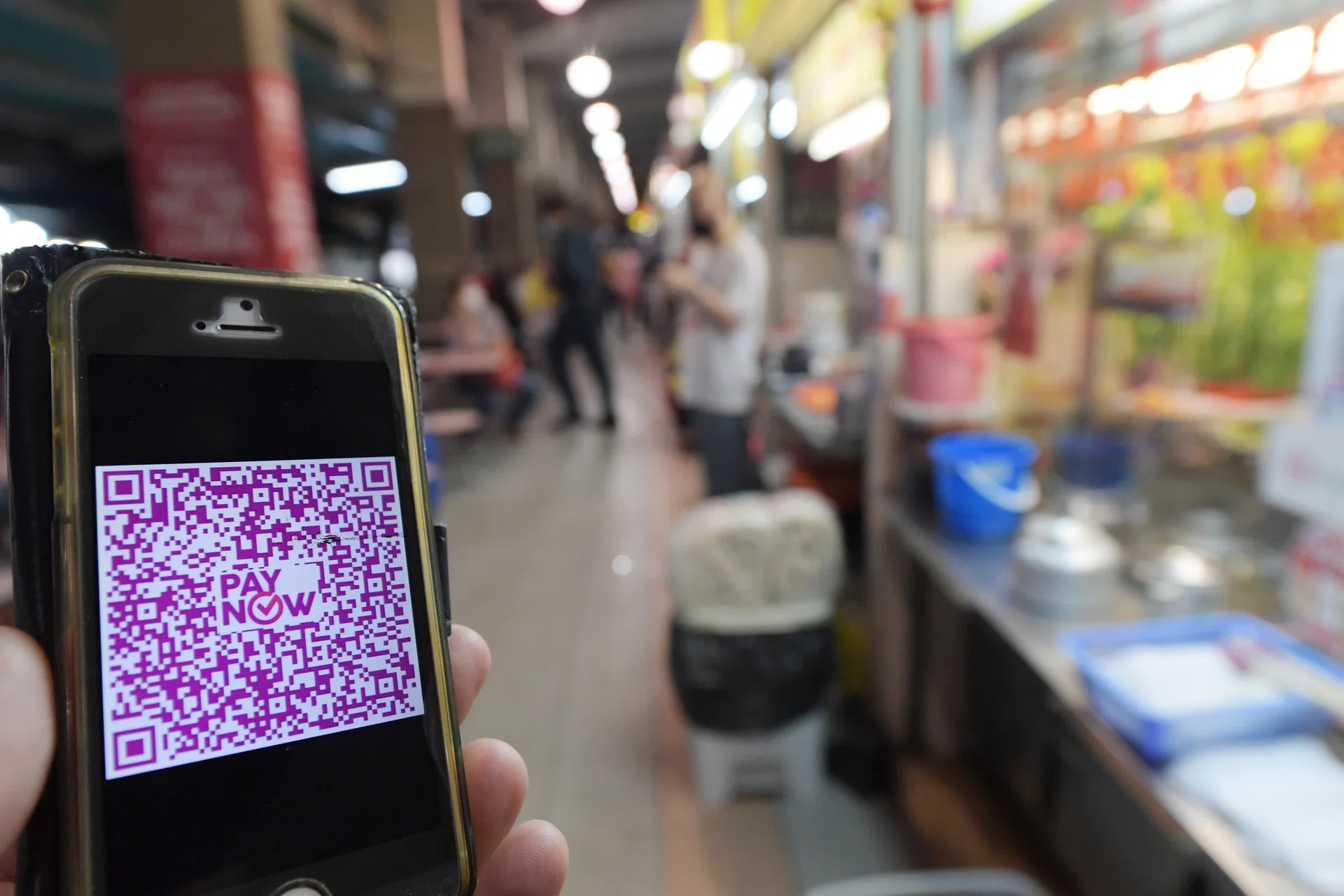
Singapore’s journey towards becoming a cashless society has been swift and deliberate. From hawker centers adopting QR code payments to instant inter-bank transfers through FAST, the nation has embraced digital payments like few others. Yet, the proliferation of various systems managed by different entities has posed challenges in terms of coordination, security, and user experience.
As Piyush Gupta, CEO of DBS Group and chairman of ABS, noted, this consolidation will enable the rationalization of various payment rails and provide a springboard to leverage technology for the future of payments. This step is essential to ensure that Singapore’s payment infrastructure remains resilient, especially in an era where cybersecurity threats are evolving and global payment systems are becoming increasingly interconnected.
What Changes for Consumers and Businesses?
For Singaporean consumers, the immediate impact will be a smoother payment experience. Imagine a scenario where switching between payment apps, scanning QR codes, or transferring funds between banks becomes even more effortless. With a single governance body, payment platforms can harmonize their operations, leading to faster transactions, fewer errors, and enhanced user trust.
For businesses, particularly small and medium enterprises (SMEs), this move promises cost efficiencies. By eliminating administrative redundancies and streamlining compliance processes, businesses can expect a more straightforward integration of digital payment options into their operations. Moreover, the new entity is expected to foster more inclusive payment solutions, catering to both tech-savvy enterprises and traditional businesses still transitioning to digital platforms.
Driving Innovation and Global Competitiveness
The consolidation is not merely about administrative convenience; it is a calculated step to spur innovation in Singapore’s fintech sector. As the global financial landscape evolves, payment systems are no longer just about transactions—they are about value-added services, cross-border compatibility, and technological advancements like blockchain and digital currencies.
By uniting its payment schemes, Singapore positions itself to better explore emerging technologies. Industry committees under the new entity will engage with banks, payment service providers, and business associations to develop and implement forward-thinking strategies. This setup is expected to attract global fintech investments, further enhancing Singapore’s reputation as a leading financial hub in Asia and beyond.
Jacqueline Loh, chairman of SCHA and deputy managing director for corporate development at MAS, emphasized that this move would enhance the resilience and safety of Singapore’s payment systems. With digital transactions forming the backbone of the economy, the importance of robust governance structures cannot be overstated.
By consolidating governance, the new entity will ensure that national e-payment strategies are implemented consistently across all payment schemes. This uniformity is crucial not just for operational efficiency but also for cybersecurity, as a centralized body can swiftly respond to threats, enforce stringent standards, and ensure the integrity of financial transactions across the board.
Singapore’s move to consolidate its payment systems also signals its readiness for deeper regional and international collaborations. As noted by Leong Der Yao, assistant chief executive for sectoral transformation at IMDA, this transition will open doors for greater collaborations with international digital wallets and financial institutions.
In a region where cross-border transactions are frequent, especially within the ASEAN bloc, a streamlined payment system in Singapore can serve as a benchmark. This move could pave the way for standardized payment protocols, making cross-border payments faster, cheaper, and more secure. For international businesses and tourists, this means seamless financial interactions when transacting in Singapore.
Singapore’s decision to consolidate its national payment systems under one entity is more than just an administrative reshuffle—it is a strategic masterstroke. In a world where digital payments are becoming ubiquitous, this move ensures that Singapore remains agile, resilient, and innovative.
For businesses, consumers, and financial institutions, the benefits are clear: smoother transactions, better governance, and endless possibilities for innovation. For the global financial community, Singapore’s bold step serves as a blueprint for future-ready financial systems, reinforcing the city-state’s position as a trailblazer in fintech and digital innovation.
As this new entity takes shape, the promise is clear: a smarter, faster, and more inclusive payment ecosystem that not only serves Singapore but also sets a global benchmark for digital financial excellence.
Sources: The Edge Singapore (2025), The Business Times (2025)
Keywords: Singapore, Payment Systems, MAS, ABS, Digital Payments, PayNow, GIRO, FAST, SGQR, Fintech, Innovation, Financial Infrastructure


