


In the heart of Singapore’s affluence, a unique challenge silently plagues many elderly citizens. Despite owning prized HDB flats and boasting significant net worth, their living conditions remain dismal. Let’s delve into the peculiar circumstances surrounding their lives, unearthing the complexities that often elude the spotlight.

Photo: The Straits Times
As we unravel the intricacies, from HDB flats’ high market values to hoarding habits, this article aims to shed light on the perplexing reality faced by some elderly Singaporeans.
1. HDB Flat Ownership: A Deceptive Wealth If Not Cashed Out

HDB Flat Ownership: A Deceptive Wealth If Not Cashed Out. Photo: AsiaOne
Many elderly Singaporeans have fully paid for and own HDB flats: With each unit’s value soaring easily above SGD $400,000 for a 3 bedroom unit. Yet, this apparent personal wealth conceals a harsher personal reality for some—living conditions that fall far below the financial facade if one chooses not to monetise or use this wealth wisely.
2. Hoarding Habits: Collecting Clutter, Not Cash

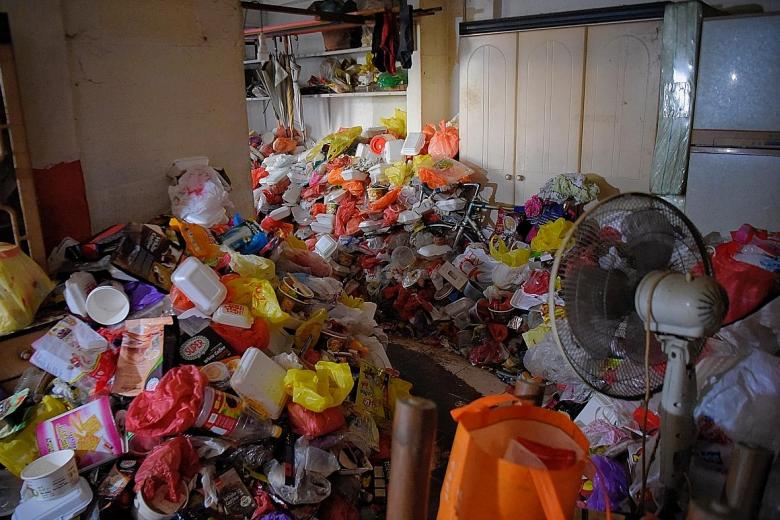
Hoarding Habits: Collecting Clutter, Not Cash. Photo: Shin Min Daily News
Rather than capitalising on their possessions, some elderly choose to collect goods for “recycling” without selling them. This seemingly irrational behavior points to deeper psychological challenges, often overlooked in the pursuit of irrational financial solutions despite their healthy bank accounts and net worth.
3. Unfortunate Endings: A Tragic Pattern

Inconvenience and Isolation: The Silent Struggle. Photo: cloudinary.com
Some elderly individuals have met untimely ends, either through self-inflicted means or due to dire living conditions. This raises a haunting question: How does a society with significant resources find itself unable to protect its most vulnerable?
Amid the challenges posed by the Covid-19 pandemic, suicide rates surged in Singapore across all age groups, with the elderly being particularly affected. The number of individuals aged 60 and above who tragically ended their lives reached the highest point since 1991. In 2020 alone, Samaritans of Singapore (SOS), a non-profit suicide prevention center, reported 452 suicides, marking an increase from 400 in 2019. This alarming statistic represents the highest figure since 2012. Source: todayonline
4. Inconvenience and Isolation: The Silent Struggle

Inconvenience and Isolation: The Silent Struggle. Photo: The Straits Times
Beyond individual hardship, the repercussions ripple through communities. Elderly hoarders, in causing inconvenience to themselves and their neighbours, paint a complex picture of societal challenges that elude easy resolution.
Connecting these societal challenges to real-world consequences, a tragic sequence of events unfolded when a woman known for hoarding met an unfortunate end after an accidental fire ignited outside her flat. This incident, possibly triggered by a discarded cigarette butt, not only highlighted the individual’s struggles but also underscored the broader challenges faced by communities.
Despite enduring conflicts with neighbours, attempts were made to quell the flames. However, complications arose as padlocked fire hose reel cabinets and a technician’s error impeded the flow of water. The State Coroner deemed the demise of Madam Goh Seow Whay, aged 60, an unfortunate misadventure in his findings on Wednesday, November 8th 2023. Source: CNA
5. Family and Government Intervention: Limited Impact

Battling First-World Problems: The Dark Side of Prosperity. Photo: The Straits Times
Attempts at intervention, whether by families or the government, have yielded limited success. The unique nature of these challenges poses an intricate puzzle for those seeking solutions.
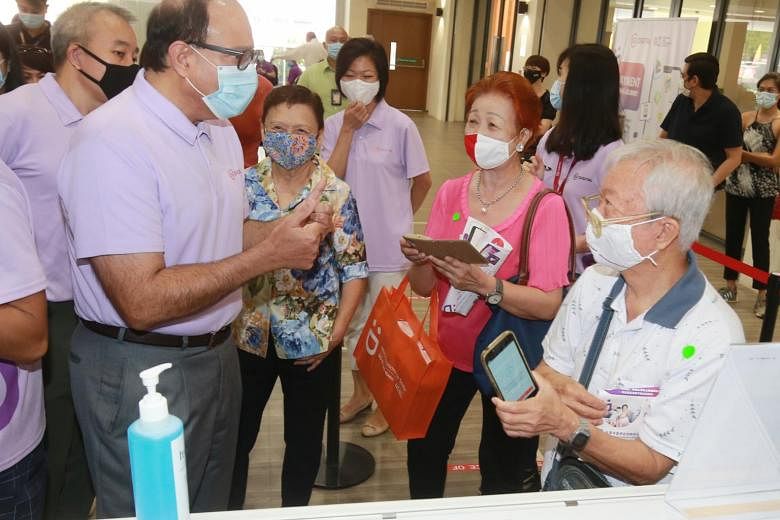
To address the healthcare requirements of seniors, the Singapore Government has increased the provision of eldercare services significantly since 2015. This includes the addition of 3,600 daycare places, 2,600 home care places, and 3,700 nursing home beds. Source: www.gov.sg
6. Singapore’s Shocking $800 Million Move to Revolutionise Senior Care – A Game-Changer for Ageing Communities

Singapore’s Shocking $800 Million Move to Revolutionise Senior Care – A Game-Changer for Ageing Communities. Photo: The Community Foundation of Singapore
As part of Singapore’s initiative to support seniors ageing within their communities, approximately S$800 million (US$594 million) will be allocated to enhance active ageing centers, according to statements from the Ministry of Health (MOH), Ministry of National Development (MND), and Ministry of Transport (MOT) on Thursday (Nov 16).
This effort is a crucial component of Age Well SG, a comprehensive national program announced by Prime Minister Lee Hsien Loong during this year’s National Day Rally. Spearheaded by the three ministries, Age Well SG focuses on preventive care, aiming to keep seniors active and engaged in their communities. The initiative is designed to address the challenges posed by an ageing society through progressively implemented measures over the long term. Source: CNA
Read More: Batam: A New Island Base From SGD$750 Monthly Awaits Singaporeans
7. Battling First-World Problems: The Dark Side of Prosperity

Battling First-World Problems: The Dark Side of Prosperity. Photo: Flickr
While Singapore stands as a beacon of prosperity in the region, the elderly “Pioneer” and ”Merdeka” generation is struggling to grapple with a confusing set of first-world problems that often remain hidden beneath the shine of modern affluence.
8. Retirement Serenity: Batam’s Beach Kampungs vs. Singapore’s Towering Success

Retirement Serenity: Batam’s Beach Kampungs vs. Singapore’s Towering Success. Photo: Pesantren.id
In Batam, the elderly have the affordable and comforting option for their retirement years — by the beach side kampungs. Rarely will you find any elderly going around the town collecting cardboard, tin cans or used electronics: The younger generation are expected to shoulder our elders’ aging needs despite the little or no existence of social assistance.
Unlike the bustling Singaporean urban environment, these sea side towns and kampungs provide a serene and communal setting for the elderly to unwind after a lifetime of work.
9. 3 Key Questions to Our Singaporean Friends Less Than 20km Away:

3 Key Questions to Our Singaporean Friends Less Than 20km Away. Photo: Liputan6
Are your parents and elderly family members living their golden years in glory?
Are you looking towards a healthy and happy retirement?
How would you choose to live your remaining golden years?
As we contemplate these perplexing scenarios, it becomes evident that wealth, in its tangible and intangible forms, doesn’t always translate into quality of life. The struggles faced by some elderly Singaporeans underscore the need for more personal touch of care and nuanced understanding, with compassionate interventions to navigate the dangers that lies beneath the city’s glittering facade.







:strip_icc():format(webp):watermark(kly-media-production/assets/images/watermarks/liputan6/watermark-color-landscape-new.png,540,20,0)/kly-media-production/medias/4529390/original/037721000_1691422172-IMG-20230807-WA0015.jpg)