


Campus-wide AI integration prepares students for ethical, real-world workforce demands
Artificial intelligence is no longer a future skill in Singapore’s education system. At Republic Polytechnic, AI is becoming a daily learning tool, reshaping how students think, solve problems, and prepare for rapidly evolving workplaces.
A Campus-Wide Shift Toward Applied AI
Republic Polytechnic has rolled out a sweeping AI Transformation strategy that embeds artificial intelligence directly into coursework across all diplomas. Instead of teaching AI as a standalone subject, students encounter AI tools within existing modules, aligned with the school’s problem-based learning approach. The goal is practical proficiency, ensuring graduates can confidently work alongside AI in real-world environments.
Discipline-Specific AI Applications
AI usage varies by field, mirroring industry practices. Supply chain students analyze demand patterns, optimize inventory, and plan delivery routes using AI tools, skills increasingly valued in global logistics. Creative arts and media students integrate generative AI into ideation, storyboarding, and post-production, while learning to maintain creative control and ethical standards throughout the process.
Immersive Learning and Smarter Assessments
An AI-driven chatbot has been introduced for hotel and leisure management students, simulating guest interactions to build soft skills through scenario-based practice. These tools allow flexible, realistic training while freeing classroom time for deeper discussion. Assessment methods have also evolved, with students evaluated not only on final outcomes but on their reasoning, AI usage, and collaboration with intelligent tools.
A Four-Level AI Learning Framework
By the 2027 academic year, at least half of all discipline-specific modules in every diploma will include AI applications used in the workplace. The rollout follows a four-level framework, starting with foundational AI understanding, progressing to ethical application, industry-relevant tool development, and culminating in AI design. This staged approach ensures responsible and meaningful adoption.
National Push for an AI-Ready Workforce
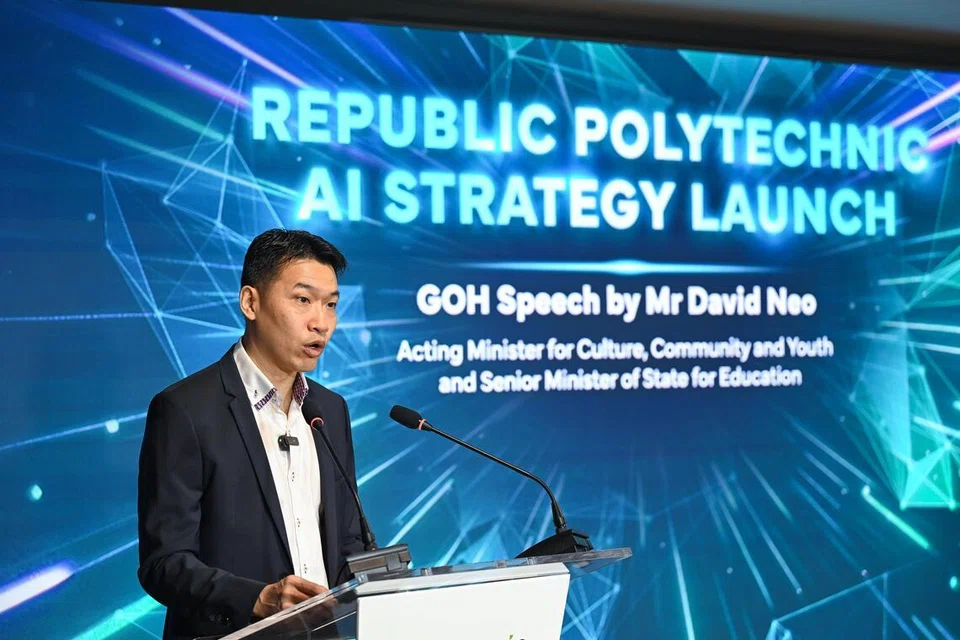
Speaking at the launch of the strategy on Jan 8, Senior Minister of State for Education David Neo emphasized the role of institutes of higher learning in maintaining Singapore’s competitive edge. He noted that more than 1,600 SkillsFuture Singapore-supported AI courses are now available, reinforcing national efforts to equip both students and adult learners with future-ready skills.
Industry Partnerships and Staff Upskilling
Republic Polytechnic has expanded partnerships with AI and technology leaders including AI Singapore, Microsoft, Nvidia, Autodesk, and ST Engineering. Students gain access to industry-grade platforms, applied research projects, and innovation challenges. At the same time, all 1,200 staff members are undergoing AI capability development, with full baseline proficiency expected by end-2026.
Student Confidence and Real-World Readiness
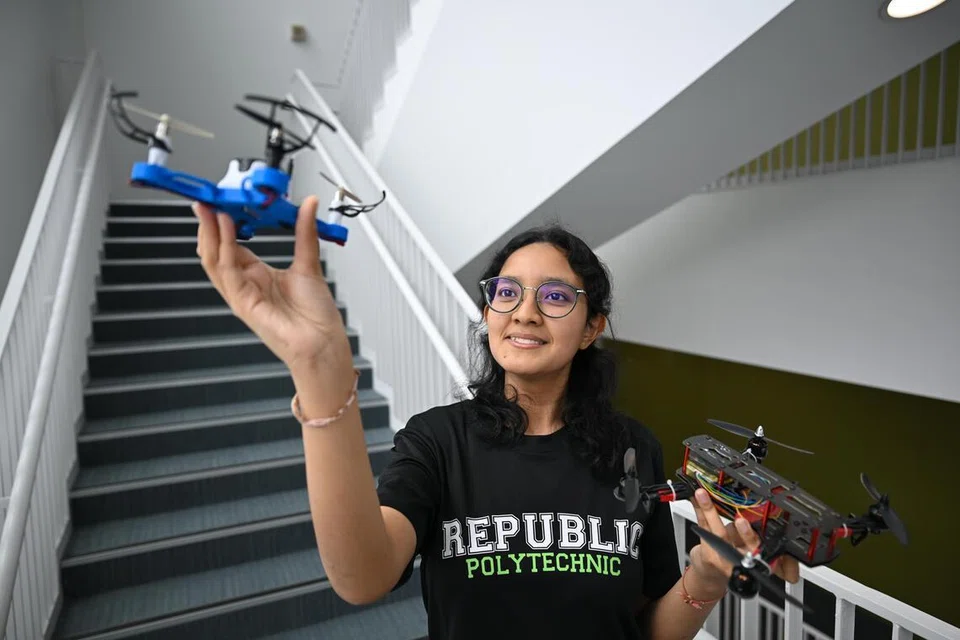
Students like third-year diploma candidate Kymberly Uthaya Kumar say early exposure has built confidence in using AI independently. While recognizing AI’s efficiency, she stresses the importance of human judgment and verification. RP’s leadership says this balance of capability, ethics, and adaptability is central to preparing learners for an AI-driven economy.
Republic Polytechnic’s AI transformation reflects a broader shift in Singapore’s education and workforce strategy, emphasizing applied skills, ethical awareness, and lifelong learning. As industries across the region accelerate AI adoption, this model strengthens talent pipelines and reinforces collaboration between Singapore and neighboring economies, including Indonesia, in building a resilient, future-ready workforce.
Sources: Straits Times (2026)
Keywords: AI In Education, Singapore Polytechnics, AI Workforce Skills, Republic Polytechnic AI, SkillsFuture AI


