


Regional textiles quietly reinforce solidarity, cultural literacy, and trust between Singapore and Malaysia
Diplomacy is often expressed through speeches and policy statements, but sometimes the strongest messages are worn rather than spoken. At the recent Singapore–Malaysia Leaders’ Retreat, attire became a subtle yet powerful signal of regional connection.
A Visual Shift at a High-Level Meeting
When political leaders from Singapore and Malaysia met on Dec 4 for their annual Leaders’ Retreat, the usual dark suits of diplomacy were replaced by vibrant regional textiles. Delegations from both countries appeared in batik and other traditional fabrics, marking a notable departure from Western-style formal wear typically seen at such high-level engagements.
At the post-meeting press conference, Prime Minister Lawrence Wong highlighted the “constructive spirit” and mutual respect between the two nations, while Malaysian Prime Minister Datuk Seri Anwar Ibrahim stressed that there was “no hostility” over longstanding issues such as water agreements. Beyond words, the shared choice of attire reinforced these messages visually and symbolically.
Batik as a Common Cultural Language
This marked the 12th edition of the retreat, and while leaders have largely worn suits over the past decade, batik made a notable appearance in 2023 when then-Prime Minister Lee Hsien Loong met Mr Anwar for their first retreat together. According to Dr Azhar Ibrahim, senior lecturer at the National University of Singapore’s Department of Malay Studies, batik communicates familiarity and alignment with the broader Nusantara cultural sphere.
The term Nusantara refers to the Malay and Indonesian archipelago, and batik functions as a shared cultural language within it. Dr Azhar described the use of batik in diplomacy as a gesture of cultural camaraderie that allows leaders to connect despite political differences.
Reading the Motifs and Textiles
Not all the garments worn were batik. Batik retailer Oniatta Effendi noted that Prime Minister Wong appeared to be wearing tenun, another traditional textile common across the region. Foreign Minister Vivian Balakrishnan’s batik featured floral and bird motifs, while Deputy Prime Minister Gan Kim Yong wore a tambal pattern, traditionally associated with protection, healing, and restoration.
These choices were deliberate yet understated. Ms Effendi explained that the leaders gravitated toward elegant florals, geometric designs, and classic weaves that avoided heavy cosmological or power-laden meanings. The result was attire that conveyed respect and cultural awareness rather than authority or dominance.
Historical Power and Political Meaning
Historically, batik has not always been politically neutral. Museum docent and storyteller Hafiz Rashid noted that textiles across Southeast Asia once functioned as portable wealth and, at times, informal currency. In Java, certain motifs such as the parang pattern were once reserved exclusively for royalty, symbolizing rank and power.
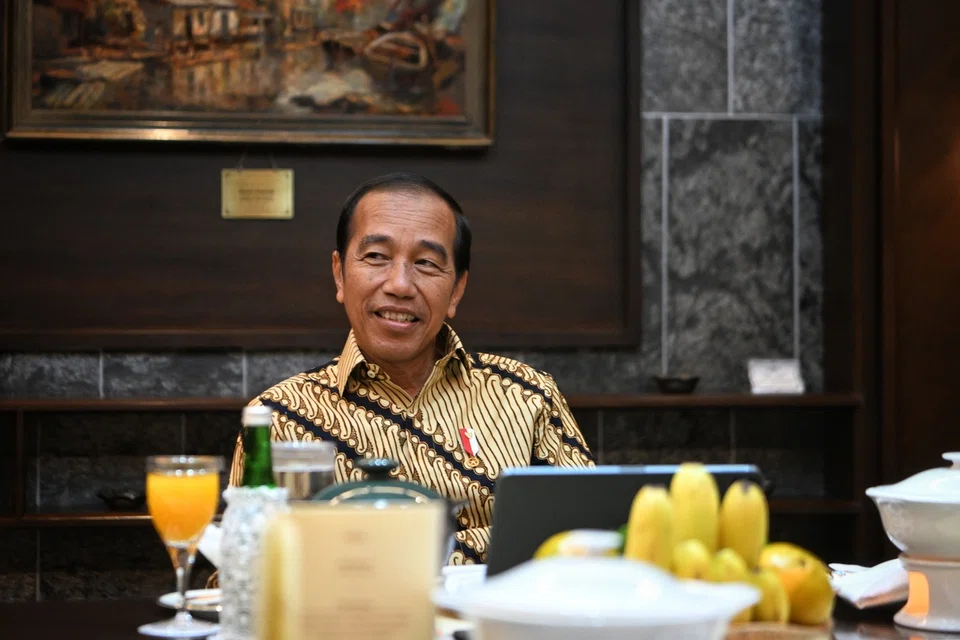
Although these strict codes are no longer widely practiced, Dr Azhar observed that batik’s symbolic role has shifted into the political sphere. Former Indonesian president Joko Widodo, for example, frequently used batik to communicate power dynamics and national identity during public appearances.
From National Dress to Regional Diplomacy
After World War II, Southeast Asian leaders adopted distinctive styles that reflected their national identities. Indonesia’s Sukarno favored military attire, Malaysia’s Tun Abdul Razak often wore safari-style outfits, and Singapore’s leaders were commonly seen in plain white shirts. Over time, batik emerged as a shared regional symbol, worn at official functions and multilateral meetings.
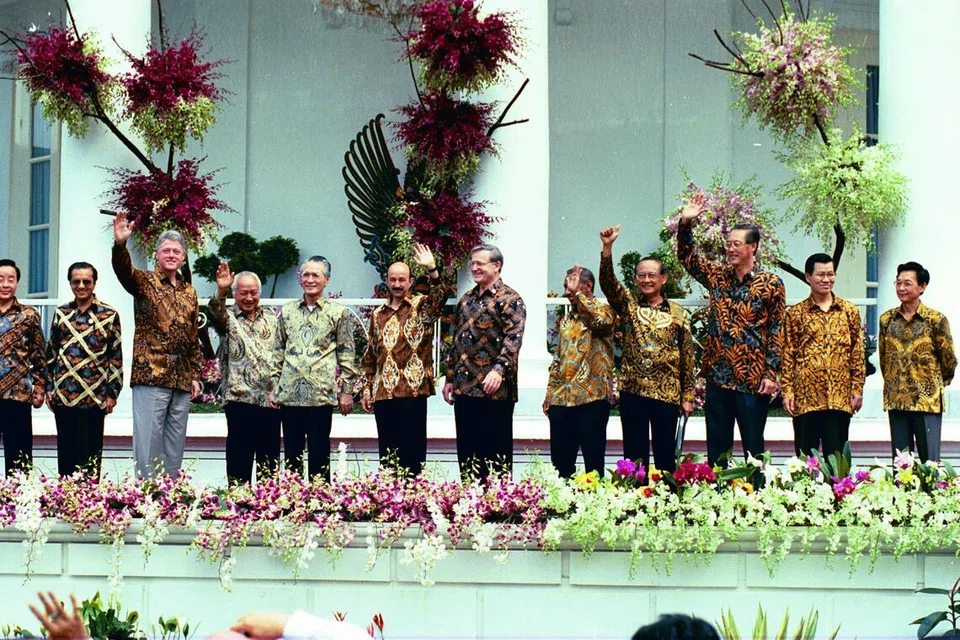
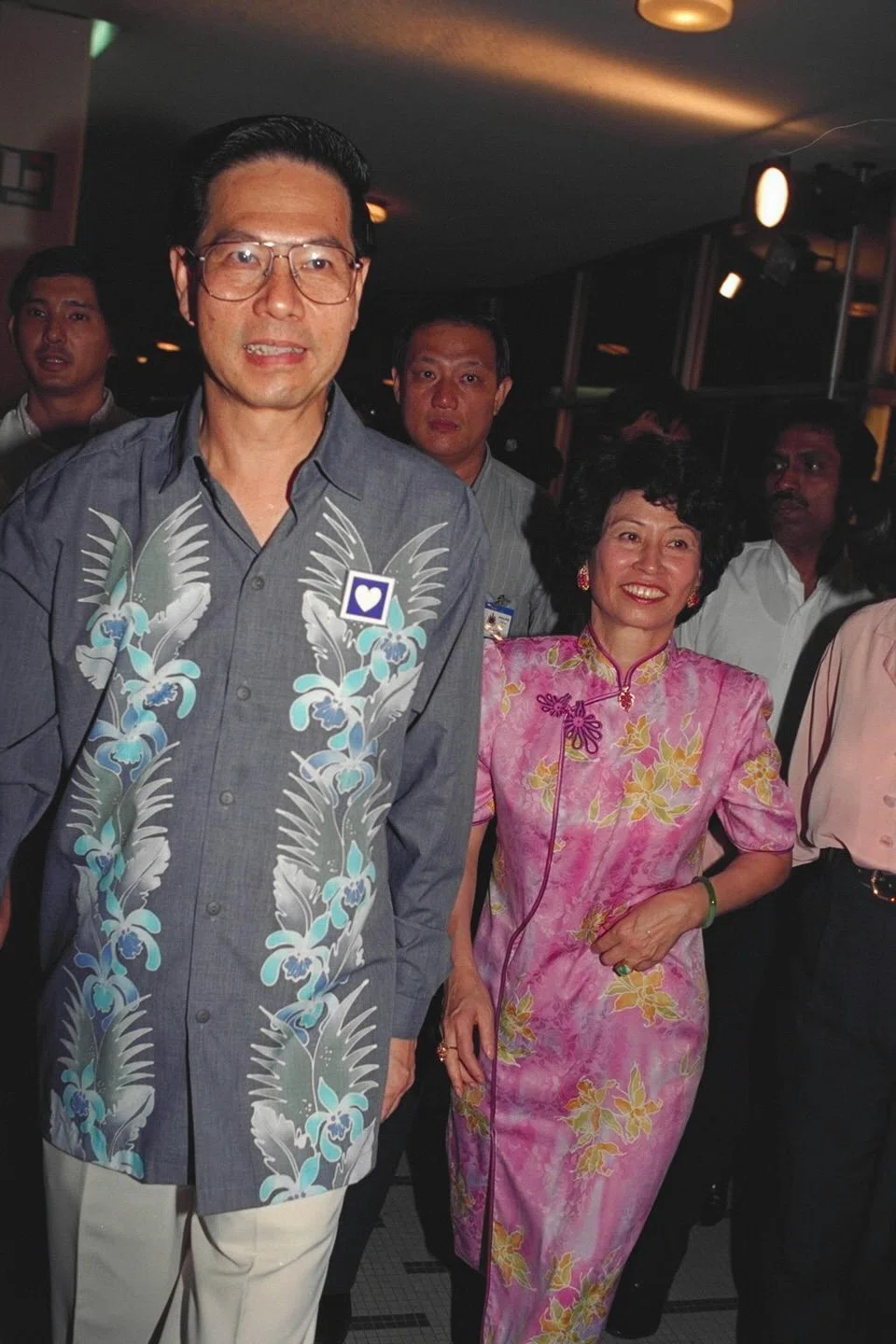
This trend extends beyond Singapore and Malaysia. At the 1994 Asia-Pacific Economic Cooperation summit in Bogor, leaders from 21 economies, including then US President Bill Clinton, were photographed wearing batik alongside regional counterparts. In Singapore, former president Ong Teng Cheong was an early pioneer, frequently wearing orchid-print batik shirts at public events from the late 1980s onward.
A Relational Identity for Singapore
Unlike Indonesia or Malaysia, Singapore does not possess a deep batik craft lineage or production ecosystem. However, Ms Effendi noted that many Singaporeans carry diasporic roots from across the archipelago, making batik part of the nation’s lived cultural memory.
When Singapore’s leaders wear batik, it signals respect for the heritage that shaped the region and an intention to maintain strong relational ties. Whether worn by political leaders or everyday citizens, batik becomes a marker of cultural literacy, dignity, and regional belonging.
The appearance of batik at the Singapore–Malaysia Leaders’ Retreat reflects more than a fashion choice. It underscores how shared cultural symbols can reinforce trust, mutual understanding, and regional identity at a time when diplomacy increasingly values soft power alongside policy. For Indonesia, Malaysia, and Singapore alike, batik continues to serve as a quiet yet enduring bridge across political and national boundaries.
Sources: The Star (2025) , Straits Times (2025)
Keywords: Singapore Malaysia Leaders, Batik Diplomacy, Nusantara Culture, Regional Identity, Political Fashion


